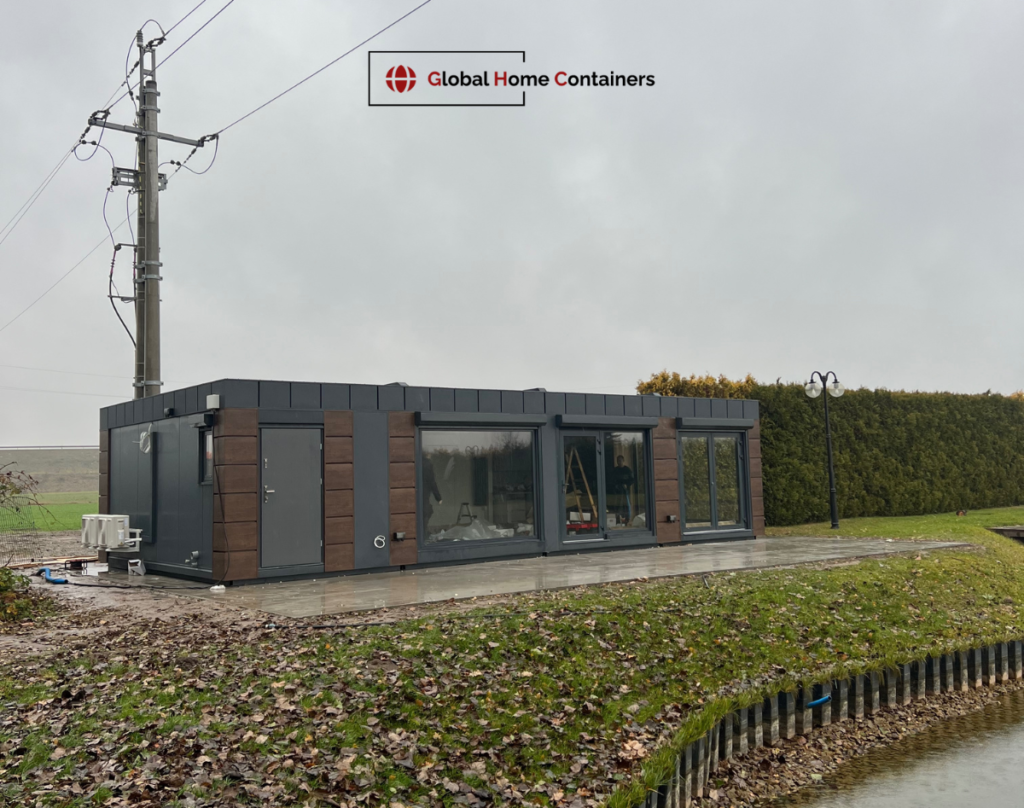

The pressure on today’s property market is clear. Developers are expected to deliver high-quality spaces faster, manage tighter budgets and respond to rising demand without compromising on standards. In this environment, modern building methods are no longer a niche option. They are becoming a practical business decision. That is exactly why modular buildings are gaining serious attention across the UK. For many developers, the appeal starts with time. Traditional construction can be slowed by labour shortages, weather disruption, material delays and complex site coordination. Modular solutions offer a more controlled and predictable route. When speed, quality and efficiency matter equally, this approach becomes hard to ignore.
What makes modular buildings so attractive?
At their core, modular buildings are created in sections within a controlled production environment and then assembled on site. This process allows different stages of the project to move forward at the same time, rather than waiting for one trade to finish before the next begins.
That parallel workflow is one of the key reasons developers are paying attention. Groundworks can progress on site while the building elements are being manufactured off site. The result is a shorter overall timeline and fewer costly interruptions. For developers working in housing, student accommodation, holiday parks, social housing or commercial expansion, this is a major strategic advantage. Faster delivery means earlier occupancy, quicker return on investment and improved planning across multiple sites.
The business case for modular construction speed
One of the strongest drivers behind the shift is modular construction speed. In the UK market, time is closely tied to profit. Every week saved on delivery can reduce overheads, improve cash flow and bring a development to market ahead of competitors.
Here are some of the commercial benefits developers value most:
- Shorter project schedules and earlier completion dates.
- Better programme certainty thanks to factory-based production.
- Reduced exposure to poor weather and site-related delays.
- More efficient labour planning and less pressure on on-site trades.
- Improved quality control through repeatable production processes.
This does not mean every project is identical. Quite the opposite. Today’s modular solutions can be adapted to different layouts, finishes and end uses. Developers no longer have to choose between speed and visual appeal. They can have both.
Why the UK market is especially ready?
The British market is well positioned for wider modular adoption. Land pressure, housing demand, planning expectations and rising build costs are all encouraging developers to explore more efficient construction methods. At the same time, buyers and investors are becoming more open to alternative delivery models, especially when they see that build quality, energy performance and design standards remain high. In many cases, modular projects also support sustainability goals by reducing waste and improving production efficiency. This shift matters not only to developers, but also to housing associations, local authorities, park operators and private investors. Even people who are not planning to buy themselves often know someone looking for a faster, smarter property solution. That is why awareness of modular buildings continues to spread through both professional networks and word of mouth.
Where do modular buildings fit best?
Modular methods are especially effective in projects where repeatability, speed and cost control are critical. Common applications include:
- Residential developments.
- Temporary and permanent accommodation.
- Staff and workforce housing.
- Holiday lodges and leisure properties.
- Student living and supported housing.
- Sales offices, site facilities and commercial units.
For decision-makers researching modular buildings for sale, the market now offers far more than basic prefabricated units. The sector has evolved into a sophisticated construction category with strong architectural potential, reliable performance and scalable production. This comparison helps explain why more developers are reassessing how they deliver projects. In a competitive market, predictability can be just as valuable as innovation.
A smarter route to growth
Developers today are not simply looking for new products. They are looking for better systems. Modular buildings answer that need by combining speed, consistency and commercial flexibility in one solution. As the sector continues to mature, interest will only grow among businesses that want to build faster without lowering standards. Whether someone is actively investing, comparing options or simply advising a partner, client or colleague, understanding the value of modular. For companies exploring modular buildings for sale, this is the right time to look closely at what the market can offer. The conversation is no longer about whether modular is viable. It is about how quickly forward-thinking developers can use it to gain an edge.