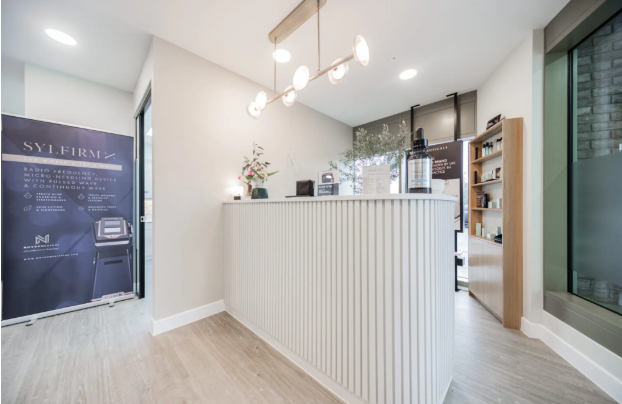

Modern dental practices are expected to deliver more than excellent clinical care. Patients increasingly value comfort, convenience and a welcoming atmosphere alongside professional treatment. At the same time, dental teams need workspaces that improve efficiency and support high standards of care throughout the day. Every element of a practice, from the reception area to the treatment rooms, contributes to the overall experience, making thoughtful planning an important part of long-term success.
A well-planned environment helps create positive first impressions, supports smoother daily operations and allows clinicians to work with greater confidence. Rather than focusing solely on appearance, successful practices recognise that every design decision should improve both patient satisfaction and operational performance.
How Does a Smarter Layout Improve Workflow?
Patients often form an opinion about a practice within moments of walking through the door. Bright interiors, organised spaces and comfortable surroundings immediately create a sense of professionalism and reassurance. This first impression can help reduce anxiety before treatment has even begun.
An effective dental surgery design considers every stage of the patient’s journey. From easy-to-find reception desks to private consultation areas and comfortable treatment rooms, each space should help patients feel relaxed and confident. Good design also improves accessibility, making the practice more welcoming for families, elderly patients and individuals with mobility needs.
When patients feel comfortable, appointments become more positive, communication improves and trust develops naturally. Over time, this encourages patients to attend regular check-ups and remain loyal to the practice.
What Makes a Dental Practice More Efficient?
A dental practice functions best when every room supports the people using it. Efficient layouts reduce unnecessary movement, making it easier for clinicians and support staff to carry out their responsibilities without interruption.
Treatment rooms positioned close to sterilisation areas, well-organised storage and carefully planned circulation routes all contribute to smoother daily operations. These seemingly small decisions reduce wasted time and allow appointments to run more efficiently throughout the day.
Good workflow also benefits patients. Shorter waiting times, quicker preparation between appointments and well-organised treatment areas create a more seamless experience while helping the practice maintain consistently high standards.
What Features Should Every Modern Practice Include?
The most successful practices focus on practical improvements that benefit both staff and patients.
- Comfortable and welcoming reception areas
- Ergonomic treatment room layouts
- Clearly organised storage solutions
- Effective lighting throughout the practice
- Private consultation spaces
- Accessible entrances and corridors
- Improved acoustic control for greater privacy
- Efficient movement between clinical areas
Although each feature may appear relatively simple on its own, together they create an environment that supports productivity, professionalism and patient confidence every day.
What Creates a More Relaxing Dental Environment?
Comfort should never be considered a luxury within a dental practice. Patients who feel relaxed are often more willing to discuss concerns, ask questions and proceed with recommended treatment. Likewise, clinicians who work in comfortable surroundings are able to concentrate more effectively throughout busy clinical sessions.
Simple design choices such as calming colours, carefully selected furniture, natural lighting and uncluttered treatment rooms help reduce stress for everyone within the practice. Even waiting areas can contribute to a more positive experience by providing comfortable seating, adequate space and a welcoming atmosphere.
A carefully planned environment supports meaningful conversations between clinicians and patients while reinforcing the professionalism of the practice. Every space should work together to create an experience that feels calm, organised and patient-focused.
Can Good Dental Surgery Design Support Future Growth?
As technology continues to evolve, dental practices need environments that can adapt without requiring constant refurbishment. Planning for future growth from the outset allows practices to introduce new equipment, expand treatment options and respond to changing patient expectations with minimal disruption.
Modern dental surgery design focuses on flexibility as much as functionality. Treatment rooms that can accommodate digital equipment, adaptable cabinetry and well-planned utility spaces make it easier to introduce innovations as the practice develops. This approach also helps avoid expensive alterations later, protecting both time and investment.
A future-ready practice is not necessarily larger; it is simply designed with adaptability in mind. Spaces that can evolve alongside new technologies and clinical techniques remain efficient for many years while continuing to meet the needs of both patients and staff.
What Features Should Every Modern Dental Practice Include?
Successful practices combine practical planning with thoughtful design features that improve everyday experiences.
- Flexible treatment rooms for changing clinical needs
- Digital technology integration
- Efficient infection control layouts
- Well-planned staff facilities
- Comfortable consultation rooms
- Energy-efficient lighting systems
- Durable, easy-to-maintain finishes
- Accessible facilities for patients of all ages and abilities
- Smart storage that keeps equipment organised
- Clear wayfinding throughout the practice
These features work together to create an environment that feels professional while supporting safe, efficient and patient-focused dentistry.
How Does Good Design Support the Entire Dental Team?
A well-designed practice benefits everyone who uses it each day. Dentists, hygienists, nurses and reception staff all rely on an organised environment that supports efficient working and reduces unnecessary movement.
Ergonomic treatment rooms, accessible equipment and clearly planned workspaces improve productivity while helping clinicians remain comfortable during busy schedules. Well-organised staff areas and logical layouts also encourage better teamwork, allowing the practice to deliver a smoother and more positive experience for every patient.
Why Is Investing in Dental Surgery Design Worth It?
Investing in dental surgery design is about creating a practice that performs efficiently today while remaining adaptable for the future. Thoughtful planning improves workflow, enhances patient confidence and provides a comfortable working environment for the dental team.
Over time, these benefits contribute to stronger patient relationships, a better reputation and sustainable practice growth. A well-designed practice not only looks professional but also supports high-quality care for years to come.
Conclusion
A thoughtfully designed dental practice is about much more than creating an attractive space. It helps improve patient confidence, supports efficient workflows and provides a comfortable environment where both patients and dental teams can thrive. Careful planning also ensures the practice remains adaptable as technology and clinical needs continue to evolve. By investing in quality design from the outset, practices can create a professional setting that delivers long-term value, enhances everyday operations and leaves a lasting impression. At Divo Interiors LTD , we specialise in creating functional, patient-focused dental environments that combine innovative design with practical solutions to support the long-term success of every practice.
Author Bio: UV Jadeja
UV Jadeja, the head honcho at Divo Interiors Ltd in London, has spent a significant number of years in the commercial fit-out and refurbishment industry, specialising in dental practices. Under his leadership, the company has designed and renovated clinics of some of the most well-known dental practices in the country. He often shares his insights & extensive industry knowledge with the general public through engaging blog posts.