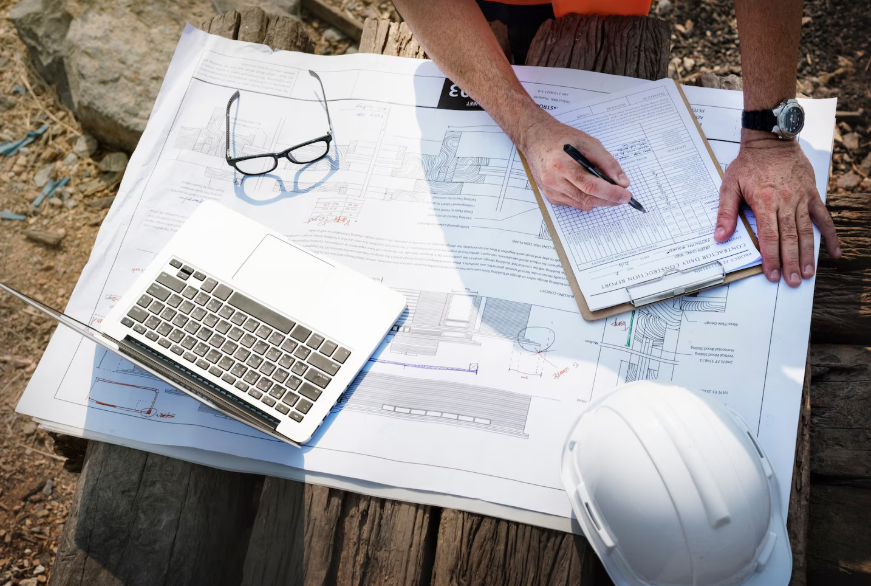

Construction projects in the United States operate under a level of complexity that has grown considerably over the past decade. Between tightening labor markets, rising material costs, increased regulatory scrutiny, and the sheer coordination required across multiple subcontractors and trades, general contractors are carrying more operational responsibility than ever before. A single lapse in oversight — whether it involves unauthorized site access after hours, equipment left unattended, or a safety condition that goes undetected overnight — can trigger delays, liability exposure, or significant financial loss.
What has changed in 2025 is not the fundamental nature of these risks. General contractors have always managed them. What has changed is the availability and maturity of systems designed to provide continuous, verifiable oversight of job sites without requiring a permanent human presence at every hour of the day. These systems have moved from experimental technology into standard operational practice for contractors managing mid-to-large scale projects across commercial, civil, and residential sectors.
This guide is written for general contractors, project managers, and operations leads who are evaluating how site monitoring fits into their project delivery model. The goal is to explain what these services actually involve, how they function within real project environments, and what operational value they provide when implemented thoughtfully.
What Construction Site Monitoring Services Actually Involve
At its core, construction site monitoring is the continuous observation, documentation, and reporting of activity on a job site using a combination of cameras, sensors, remote access technology, and in some cases, live monitoring personnel. Unlike traditional security, which is primarily reactive, monitoring services are designed to provide real-time situational awareness and documented evidence of conditions on site — regardless of whether an incident is occurring.
For contractors evaluating their options, the Construction Site Monitoring Services guide offers a structured overview of how these systems are deployed across different project types, which is useful for understanding the operational scope before committing to a provider or configuration.
Modern construction site monitoring services typically combine several functional layers:
- High-resolution video surveillance covering perimeter access points, material storage areas, active work zones, and equipment staging locations
- Remote live monitoring by trained operators who can intervene verbally or escalate to local authorities during after-hours intrusions or emergencies
- Motion detection and alert systems configured to reduce false alarms while flagging genuine activity during restricted hours
- Environmental and access logging that creates a time-stamped record of who entered the site, when, and through which point of entry
- Integration with temporary power systems, lighting, and communication infrastructure already present on the job site
The distinction between a basic camera setup and a full monitoring service is significant. A camera records. A monitoring service observes, interprets, and acts. That difference matters in environments where the consequences of inaction — theft, vandalism, trespassing, or a safety event — carry real financial and legal weight.
Why General Contractors Are Prioritizing Site Monitoring in Current Project Environments
The construction industry in the United States loses billions of dollars annually to equipment theft and material loss from job sites. According to the National Equipment Register and industry tracking bodies, recovery rates for stolen construction equipment remain low, and the disruption caused by a single theft event often exceeds the replacement cost of the stolen item when project delays and schedule impacts are factored in.
Beyond theft, there are several compounding pressures that have made site monitoring a practical necessity rather than an optional add-on for many contractors.
Insurance and Liability Considerations
Insurance carriers that cover construction projects are increasingly asking for documentation of site security measures as part of underwriting. For contractors working on projects above a certain value threshold, the absence of any formal monitoring system can affect coverage terms, deductible levels, or the ease of filing and settling claims when losses do occur. When a theft or damage event happens on a monitored site, the documented video evidence and access logs simplify the claims process and reduce disputes with adjusters about the nature and timeline of the event.
There is also a liability dimension related to unauthorized entry. If a trespasser is injured on an unmonitored job site, the contractor may face significant exposure. Monitoring systems that detect and deter unauthorized access before an incident occurs reduce this risk in a practical and documentable way.
Subcontractor Accountability and Workflow Documentation
On projects with multiple subcontractors operating across different phases and schedules, monitoring systems provide general contractors with an independent record of who was on site and when. This matters when disputes arise over work completion timelines, damage to other trades’ work, or coordination failures that result in rework. Having an objective, time-stamped visual record of site activity is valuable in any context where accountability needs to be established after the fact.
Some contractors use monitoring data not just for security purposes but as a passive documentation tool for project progress. Time-lapse footage from fixed cameras gives project owners a clear visual record of construction milestones, which can be used in client reporting, permit compliance documentation, or dispute resolution.
How Monitoring Systems Are Configured for Active Construction Sites
A construction site is not a static environment. The physical layout, access points, high-value material locations, and active work zones change from week to week as the project progresses. This makes construction site monitoring fundamentally different from monitoring a fixed commercial property. A competent monitoring provider accounts for this by designing systems that can be reconfigured as site conditions evolve.
Temporary Infrastructure and Power Considerations
Most construction sites do not have permanent electrical infrastructure available from day one. Monitoring systems designed for active job sites are typically built around solar power, battery backup, or temporary generator power, with cellular or satellite data transmission rather than hardwired network connections. This independence from permanent infrastructure is what allows a monitoring system to be fully operational in the early phases of a project, before building systems are in place.
The cameras and sensors used in these configurations are also designed to withstand the environmental conditions typical of an active construction site — dust, vibration, temperature variation, and occasional repositioning as the work area expands or changes. Providers who specialize in construction-specific deployments understand these requirements in a way that general security integrators may not.
Coverage Planning and Blind Spot Management
Effective coverage of a construction site requires deliberate planning based on site layout, access road positions, material staging areas, and known vulnerability points. A system installed without a proper coverage review will have gaps — areas not captured by any camera — that can be exploited or that will fail to document an event when documentation is needed. Reputable providers conduct a site assessment before installation to map coverage against actual risk points rather than simply placing cameras in convenient locations.
As the project progresses and structures are erected, camera positions that worked in the foundation phase may become obstructed. A monitoring agreement that includes periodic coverage reviews and system repositioning ensures that the system remains effective across the full project duration rather than becoming progressively less useful as construction advances.
Evaluating Monitoring Providers: What General Contractors Should Assess
The market for construction site monitoring services has grown significantly, and not all providers operate at the same level of competence or reliability. For general contractors making a selection, a few areas of evaluation deserve particular attention.
Response Protocol and Escalation Clarity
When an after-hours intrusion is detected, the value of a monitoring service depends entirely on how quickly and effectively the response occurs. Providers should be able to clearly explain their escalation protocol — what happens when motion is detected, how quickly a live operator reviews the alert, what verbal deterrence options are available, and under what conditions law enforcement is contacted. A vague or inconsistent answer to these questions is a meaningful warning sign about operational reliability.
System Ownership and Data Access
Contractors should understand who owns the recorded footage, how long it is retained, and how quickly it can be accessed if needed for an insurance claim, legal matter, or internal review. Some providers retain exclusive control over recorded data, which can create friction at precisely the moment when time-sensitive access is most important. Clarity on data ownership and retrieval should be established in the service agreement before deployment begins.
Scalability Across Project Portfolios
Contractors managing multiple simultaneous projects benefit from monitoring providers who can manage deployments across a portfolio rather than requiring separate provider relationships for each site. Centralized reporting, consistent equipment standards, and unified billing simplify operations management when construction site monitoring services are applied across multiple active projects at once.
Integrating Site Monitoring into Standard Project Operations
Monitoring systems deliver the most consistent value when they are treated as part of project planning rather than as an afterthought following a theft event or security concern. Contractors who integrate monitoring requirements into their pre-construction checklist — alongside temporary fencing, site utilities, and site signage — tend to have systems in place earlier and configured more deliberately than those who arrange monitoring reactively.
The operational impact of this approach extends beyond security. When subcontractors and site workers know that monitoring is in place from the first day of site activity, behavior on site tends to be more consistent with project expectations. This is not simply about deterrence. It reflects the broader principle that documented accountability — the knowledge that activity is being recorded and reviewed — tends to raise the standard of conduct and care across a project team.
Closing: Making Monitoring Work Within a Real Project Context
Construction site monitoring is not a technology solution that solves all project management challenges. It is a structured tool that, when deployed correctly, reduces specific and well-understood risks — theft, vandalism, unauthorized access, documentation gaps, and liability exposure — that every general contractor faces across every active project.
The decision to implement monitoring services should be driven by an honest assessment of where the gaps in site visibility exist, what the financial and operational consequences of those gaps have been in past projects, and whether the cost of a monitoring system is proportionate to the risk it addresses. For most contractors managing projects of meaningful scale, the answer to that last question is straightforward.
What matters in practice is selecting a provider who understands construction environments specifically, configuring coverage based on actual site conditions rather than generic templates, and treating monitoring as an ongoing operational element that adapts as the project evolves. When those conditions are met, construction site monitoring services provide a level of consistent, verifiable oversight that site visits and periodic walkthroughs simply cannot replicate.