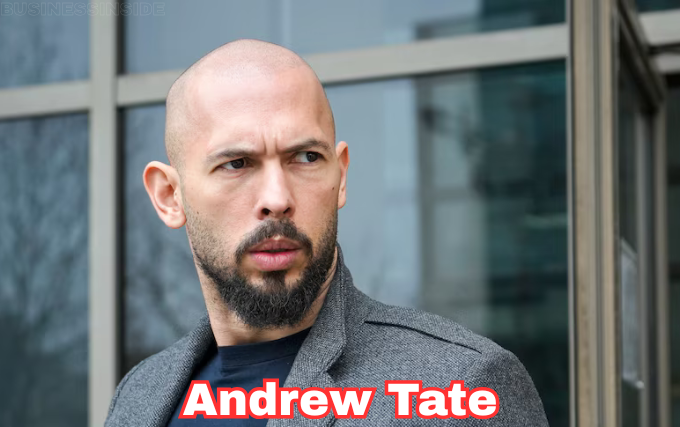

The Meteoric Rise of Andrew Tate
Few modern personalities have captured global attention quite like Andrew Tate. Rising from professional kickboxing to digital stardom, his journey reflects the complexities of fame in the age of social media. Known for his unapologetic views on success, masculinity, and independence, Tate built a massive following by blending charisma with controversy. His rise began in sports, where he achieved world championships in kickboxing, before transitioning into business ventures and online entrepreneurship. Through platforms like YouTube, Twitter, and TikTok, he transformed himself into a brand — a figure who represents both aspiration and defiance.
However, Andrew Tate’s ascent wasn’t purely about athletic or financial success. He mastered the art of digital storytelling, presenting himself as a self-made man in a world that often criticizes ambition. His message of self-discipline, financial freedom, and mental resilience resonated strongly with young audiences seeking guidance in uncertain times. Yet, this rise also laid the foundation for one of the most divisive public figures of the modern era.
From Fighter to Influencer: Reinventing Success
Before becoming a polarizing online figure, Andrew Tate was a respected kickboxing champion known for his competitive spirit and relentless drive. His discipline in the ring became the backbone of his later ventures, where he applied the same mindset to business and social media. Tate’s transition from sports to digital influence showcased his ability to evolve with cultural shifts — from physical dominance to psychological and financial empowerment. He crafted an image of ultimate control: over body, mind, and wealth.
Through motivational content, interviews, and lifestyle showcases, he positioned himself as an authority on success. Unlike traditional influencers who rely on aesthetics or trends, Tate promoted a philosophy rooted in grit and self-determination. His rhetoric — often provocative — challenged societal norms about masculinity, ambition, and personal responsibility. Whether admired or criticized, Andrew Tate’s reinvention from athlete to entrepreneur reflects a deep understanding of modern media dynamics and human psychology.
The Power of Polarization
The name Andrew Tate sparks intense debate. For some, he is an inspiring voice who speaks hard truths; for others, a controversial provocateur who thrives on division. His unapologetic commentary on gender roles, success, and personal accountability often ignites global discussions. By pushing boundaries, he ensures constant relevance — a hallmark of digital-era influence. In today’s algorithm-driven world, polarization isn’t merely a byproduct; it’s a strategy. Tate’s understanding of this dynamic has helped him dominate online attention unlike many of his peers.
This deliberate polarizing approach has made him one of the most discussed figures on social media. Whether loved or loathed, he commands engagement. Every quote, interview, or tweet sparks waves of commentary, reactions, and debate. For Tate, controversy is not accidental — it’s a tool that amplifies visibility. His ability to manipulate public discourse reveals a sophisticated grasp of online influence and the psychology of viral communication.
Building a Digital Empire
Beyond his persona, Andrew Tate has cultivated a lucrative online business ecosystem. Through ventures such as “Hustlers University” and digital mentorship programs, he monetized his influence by teaching financial independence and entrepreneurship. His digital empire thrives on the promise of empowerment — teaching followers to escape mediocrity, build wealth, and think independently. The model appeals to a generation disillusioned with conventional career paths and corporate limitations.
At its core, Tate’s empire is built on brand loyalty. By positioning himself as a mentor rather than a celebrity, he turns followers into customers and advocates. His online courses, exclusive communities, and affiliate systems create a self-sustaining ecosystem of engagement and revenue. Whether one agrees with his methods or not, his ability to transform social influence into a business empire is a testament to his strategic acumen and mastery of digital branding.
The Controversies That Shaped His Image
No discussion of Andrew Tate is complete without addressing the controversies that surround him. From his outspoken opinions to legal investigations, Tate’s public image has been a mixture of admiration and condemnation. His statements on gender dynamics, success ethics, and societal expectations often spark backlash, leading to platform bans and public outrage. Yet, these very controversies have propelled him into global headlines, amplifying his visibility far beyond that of a typical influencer.
The polarizing nature of his views underscores a broader cultural divide. Supporters see him as a truth-teller challenging political correctness, while critics accuse him of promoting harmful ideologies. Despite or perhaps because of these tensions, Andrew Tate remains a dominant figure in online discourse. His ability to withstand criticism and maintain relevance illustrates a resilience that few public figures can match in an era of cancel culture.
The Psychology Behind His Appeal
Understanding Andrew Tate’s widespread influence requires examining the psychology behind his appeal. His message — centered on power, confidence, and autonomy — speaks directly to individuals who feel marginalized or directionless in modern society. In an age marked by uncertainty and digital noise, Tate’s assertive communication style cuts through with clarity and conviction. His emphasis on self-improvement, wealth creation, and discipline resonates with those seeking structure and identity.
Moreover, Tate’s brand of masculinity offers a counter-narrative to the perceived softness of contemporary culture. By presenting success as a matter of mindset rather than circumstance, he attracts followers who crave empowerment and accountability. While critics view his tone as abrasive, his supporters see authenticity — a rarity in the filtered world of social media. This psychological connection between message and audience has been central to his enduring popularity and influence.
Andrew Tate’s Impact on Modern Masculinity
The discussion surrounding Andrew Tate extends beyond personal branding — it touches on the evolving definition of masculinity. Tate presents an ideal rooted in strength, discipline, and self-sufficiency, challenging what he perceives as the erosion of traditional male values. For many young men, his message provides direction in a world that often lacks clear role models. His emphasis on purpose, physical fitness, and independence appeals to those searching for stability and meaning.
However, his interpretation of masculinity has sparked debates about gender equality and societal progress. Critics argue that his views reinforce outdated stereotypes, while supporters claim he restores balance to a culture that has vilified ambition. Regardless of perspective, Andrew Tate has undeniably reignited global conversations about identity, gender roles, and what it means to be a man in the 21st century. His influence continues to shape this dialogue in profound and lasting ways.
Media, Censorship, and the Battle for Speech
The saga of Andrew Tate also reflects the complexities of modern media and free expression. His temporary bans from platforms such as Instagram, TikTok, and YouTube reignited debates over censorship and digital accountability. Advocates for free speech argue that silencing voices — even controversial ones — sets a dangerous precedent, while opponents maintain that influential figures bear responsibility for their rhetoric. Tate’s case has become a litmus test for the limits of expression in the digital era.
Despite these setbacks, Tate’s online presence remains formidable. Through alternative platforms, podcasts, and collaborations, he continues to engage millions worldwide. His resilience underscores a larger truth: in the decentralized internet landscape, ideas are difficult to suppress. The ongoing tug-of-war between freedom of speech and social responsibility, exemplified by Andrew Tate’s experience, highlights the evolving challenges of content regulation in the age of influence.
The Business of Personal Branding
One of Andrew Tate’s most notable achievements is his mastery of personal branding. He understands that in the digital economy, personality is currency. Every image, quote, and appearance reinforces a narrative of strength and success. His marketing strategy is deliberate — he doesn’t sell products; he sells identity. By positioning himself as both aspirational and relatable, he blurs the line between influencer and ideology.
This approach to branding extends beyond mere visibility. Tate leverages controversy as a marketing tool, turning criticism into publicity. Each debate amplifies his reach, feeding the cycle of curiosity and conversation. His approach demonstrates how the modern influencer economy rewards authenticity — or the appearance of it — over perfection. Love him or hate him, Andrew Tate’s personal brand has redefined how digital icons are created, monetized, and sustained.
The Future of the Andrew Tate Phenomenon
As global culture continues to shift, the legacy of Andrew Tate remains uncertain yet undeniably impactful. Whether his influence endures or fades, his mark on digital culture is permanent. He has challenged institutions, reshaped discussions on masculinity, and forced society to confront uncomfortable questions about success, freedom, and truth. His continued relevance will depend on how he evolves within an increasingly scrutinized and polarized online landscape.
One thing, however, is certain — Andrew Tate has changed the blueprint for modern influence. His story serves as both a warning and an inspiration: proof that ambition and controversy can coexist to create unstoppable momentum. Whether viewed as a role model or a provocateur, Tate’s name will continue to provoke thought and reflection long after the headlines fade.
Conclusion
Andrew Tate embodies the paradox of modern fame — a man whose brilliance and boldness coexist with controversy and critique. His journey from world champion to global influencer reflects both the opportunities and challenges of the digital age. Through charisma, conviction, and calculated risk, he has become a mirror reflecting society’s fascination with power, wealth, and authenticity.
Love him or despise him, Andrew Tate remains a defining figure of our time. His story forces us to question not only the nature of influence but also the values we celebrate as a culture. In doing so, he cements his place as one of the most impactful — and debated — icons of the 21st century.


