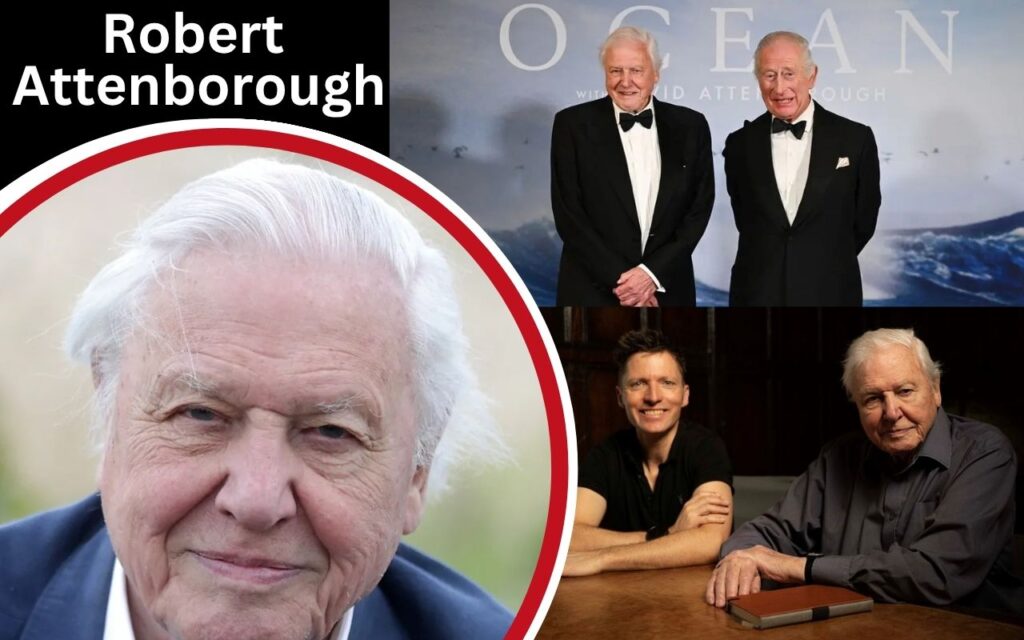

Robert Attenborough is best known as the eldest son of Sir David Attenborough, the iconic natural historian, broadcaster, and author whose documentaries have shaped public understanding of the natural world. Born to David Attenborough and Jane Elizabeth Ebsworth Oriel, Robert grew up in a household surrounded by intellectual curiosity, environmental passion, and an appreciation for the sciences. While his father became a global figure, Robert chose a quieter, academic path, focusing on research and education rather than public fame.
Although Robert Attenborough’s exact date of birth is not widely published, he was born shortly after his parents’ marriage in 1950, making him likely in his late 60s or early 70s as of 2026. His sister, Susan Attenborough, is also part of the family legacy, and together, they were raised in a nurturing environment that valued learning and exploration. Growing up alongside David Attenborough’s siblings, including the famed filmmaker and actor Richard Attenborough, Robert was connected to a family that combined creativity, science, and public service.
Education and Academic Career
Robert Attenborough pursued higher education with a focus on anthropology and biology, eventually carving out a career in academia. He has been associated with research and teaching in biological anthropology, the branch of anthropology that examines human evolution, genetics, adaptation, and population studies. His professional contributions include serving as a lecturer and senior researcher, guiding students and advancing scholarship in his field.
Through his work, Robert has influenced how future scholars understand human biology, evolution, and the interplay between environmental pressures and cultural adaptation. His academic career demonstrates a commitment to rigorous study and public service in education, highlighting that his contributions extend beyond personal fame into the broader realm of scientific inquiry.
Professional Work and Contributions
Robert Attenborough’s professional life has been defined by research, teaching, and writing within anthropology and related sciences. He has contributed to scholarly discussions on human evolution, demography, and population genetics, bridging biological science and social studies. His expertise as a senior lecturer has allowed him to mentor students, guide research projects, and produce publications that enrich the field.
While he does not appear in media documentaries or television programs like his father, Robert’s work has had a tangible impact in academic circles. He has contributed chapters, research papers, and scholarly articles examining human adaptation, species concepts, and the effects of environment on human populations. These contributions demonstrate a deep commitment to understanding humanity from a scientific and empirical perspective.
Family and Personal Life
Robert Attenborough has maintained a private personal life, in contrast to the global spotlight surrounding his father. He is part of a family network that includes Susan Attenborough, his sister, and the extended Attenborough family, which includes accomplished figures like Richard Attenborough, the renowned actor and director.
Although details about his own children are not publicly confirmed, references to “children of Robert Attenborough” appear occasionally in family genealogical records. Similarly, information about his spouse or life partner is limited, though some sources reference a connection with Susan Attenborough in family context. Robert has prioritized a life of scholarship and quiet contribution over public celebrity, and his family connections continue to enrich his personal and professional identity.
Relationship With Sir David Attenborough
As the son of David Attenborough, Robert grew up witnessing firsthand the making of nature documentaries and the pursuit of scientific knowledge. Though he did not enter broadcasting or filmmaking, his upbringing undoubtedly influenced his interest in biology and anthropology. Discussions of species, ecology, and human adaptation were likely a part of his household, shaping the intellectual environment that led him to his academic career.
Robert has contributed to the Attenborough legacy not through media appearances but through scholarly output, education, and mentorship. His life reflects a complementary path to that of his father, focused on research and knowledge dissemination in educational and scientific contexts.
Academic Recognition and Influence
Robert Attenborough is respected in academic circles as a scholar, lecturer, and researcher. His work in biological anthropology has provided insights into human evolution, adaptation, and population dynamics. By combining fieldwork, research analysis, and theoretical study, he has influenced students, colleagues, and academic debates.
He is particularly recognized for his ability to connect anthropological theory with practical research, guiding students and researchers in understanding how humans interact with their environments and evolve over time. His role in academia highlights a life dedicated to scholarship, education, and scientific inquiry.
Legacy and Public Perception
Though less visible to the public than his father, Robert Attenborough has carved a niche of distinction in research, teaching, and mentorship. The contrast between his quiet academic presence and David Attenborough’s media prominence illustrates how members of the same family can contribute uniquely to knowledge and culture.
Robert’s legacy is one of scientific rigor, intellectual curiosity, and commitment to education, ensuring that the Attenborough family continues to impact the world through both public media and scholarly research. His work demonstrates that influence in the world of science and education can be as profound as fame in media.
Conclusion
Robert Attenborough’s life embodies a dedication to academic excellence, research, and teaching. As the son of Sir David Attenborough, he could have pursued a public career in media, yet he chose the path of scholarship, contributing meaningfully to biological anthropology and the education of future researchers.
Though much of his personal life remains private, Robert’s professional contributions ensure that he remains a respected figure in academic circles. His story illustrates the diverse ways a legacy can be carried forward—through teaching, research, and the careful study of humanity itself.