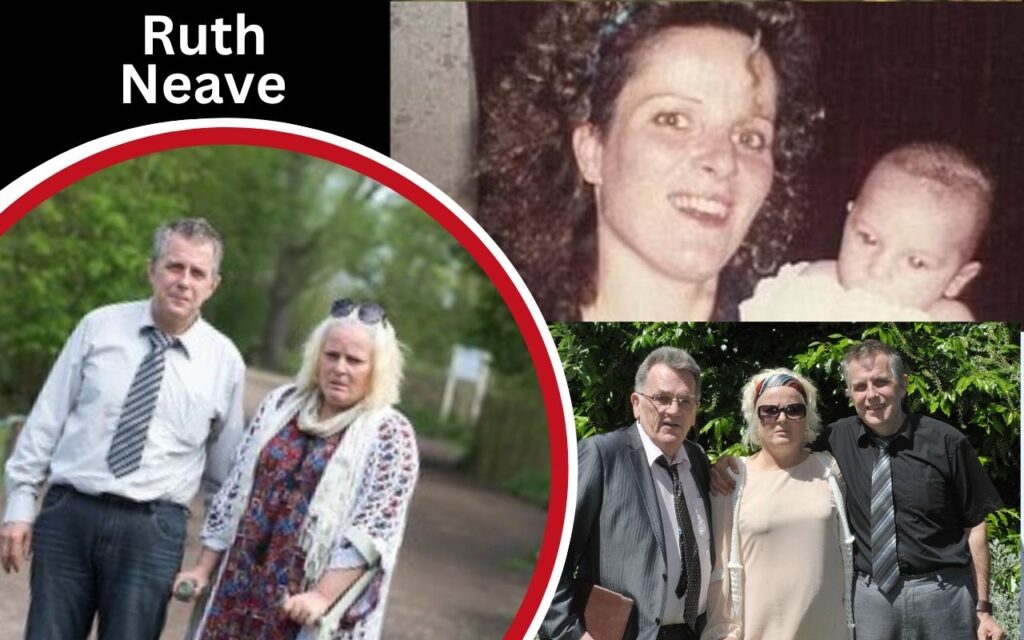

Ruth Neave is a British woman from Peterborough, England, known primarily as the mother of six-year-old Rikki Neave, whose murder in 1994 shocked the nation. Her life has been marked by personal hardship, public scrutiny, legal battles, and decades of speculation. While she was acquitted of her son’s murder, Ruth has faced numerous challenges in the years that followed, from media attention to health struggles, and the lingering stigma of suspicion.
Early Life and Personal Background
Ruth Neave grew up facing significant adversity. She was in care from a young age and experienced the death of her parents under tragic circumstances. These early challenges shaped her upbringing and influenced her approach to parenting. By the time she became a mother, Ruth had already navigated a difficult childhood, which included periods of instability and limited support. She had her first children at a young age and struggled to manage the responsibilities that came with motherhood in difficult conditions.
Her son, Rikki Neave, was born into this environment. Ruth’s relationships and household circumstances were complex, and her personal struggles with mental health and occasional substance use added to the challenges of raising a young family. These factors, though separate from the murder itself, later contributed to the suspicion she faced during the investigation.
The Murder of Rikki Neave
On 28 November 1994, six-year-old Rikki Neave disappeared from his home in Peterborough. The following day, his body was discovered in nearby woodland. The murder was particularly shocking due to the circumstances in which he was found: Rikki had been strangled, stripped, and left posed on the ground. His clothing was later found in a bin near the location.
The case quickly gained national attention, and Ruth Neave, as Rikki’s mother, was immediately under scrutiny. Local media coverage highlighted her troubled past and parenting challenges, contributing to the narrative that she might have been involved. These early assumptions would haunt Ruth for decades.
Investigation, Arrest, and Trial
Following the discovery of Rikki’s body, Ruth was arrested and charged with his murder. During her trial, prosecutors suggested that her parenting history and personal interests were connected to the crime, though much of the evidence was circumstantial. In 1996, Ruth Neave was acquitted of murder.
However, she was convicted on several counts of child cruelty and neglect and served a prison sentence for these offenses. While these convictions were separate from the murder itself, they contributed to the public perception of her as a mother with serious shortcomings. Ruth maintained that some of these allegations were exaggerated or misrepresented, and she has consistently denied any involvement in Rikki’s death.
Life After Prison
After her release, Ruth sought to rebuild her life, though the shadow of Rikki’s murder and her conviction for cruelty lingered. She eventually formed a relationship with Gary Rogers, who would become her husband. Ruth and Rogers maintained a low profile for many years, with her life characterized by efforts to regain privacy and stability after decades of public scrutiny.
Her personal life remained under observation, with media and public interest often focusing on lingering questions about her health, wellbeing, and the unresolved nature of the Rikki Neave case. Ruth experienced anxiety, depression, and other health challenges, which many observers attributed to the cumulative stress of her experiences, public vilification, and legal battles.
The Resolution of Rikki Neave’s Murder
For nearly three decades, Rikki Neave’s murder remained unsolved. In the mid-2010s, a renewed investigation leveraged modern forensic technology to reexamine evidence from the crime scene. Fibres from Rikki’s clothing eventually yielded DNA that matched James Watson, a boy who had been 13 at the time of the murder.
Watson was arrested, extradited, and stood trial for Rikki’s murder. In 2022, he was convicted and sentenced to life imprisonment. The case finally provided closure regarding Rikki’s death and validated Ruth’s consistent claims of innocence regarding his murder. Official statements recognized that Ruth had been wrongfully suspected, highlighting the impact of early investigative bias and media assumptions on her life.
Health and Wellbeing
Ruth Neave’s health has been a topic of public speculation, though verified details indicate she has dealt with significant physical and mental health challenges over the years. Reports indicate she suffers from conditions such as arthritis, anxiety, depression, and general ill health, likely exacerbated by the decades of trauma and scrutiny she endured. Despite these challenges, she continues to live independently with her husband and maintains an active role in seeking justice for herself regarding her prior convictions.
Public Perception and Media Coverage
Throughout her life, Ruth Neave has been at the center of intense media attention. During the 1990s, she was portrayed as a troubled mother whose life circumstances might have contributed to Rikki’s death. Over time, as the real perpetrator was identified, public perception shifted, recognizing the injustice she suffered from wrongful suspicion. Documentaries, interviews, and news articles have revisited her story, highlighting both the personal toll and the systemic issues surrounding her case.
Despite vindication in the eyes of the law regarding Rikki’s murder, Ruth’s life remains intertwined with the tragedy, reflecting the enduring consequences of public scrutiny, investigative bias, and the media’s role in shaping narratives around high-profile cases.
Read More: Emma Michell Chartered Accountant: Expert Financial Guidance for Individuals and Businesses
Conclusion
Ruth Neave’s life is a story of grief, endurance, and resilience. She endured the unimaginable loss of her son, public suspicion, imprisonment, and ongoing scrutiny over decades. The conviction of James Watson brought long-awaited closure to the murder case but did not erase the years of hardship Ruth experienced. Today, she lives with her husband, continues to contend with health challenges, and seeks to move forward after a life marked by tragedy, legal battles, and eventual vindication. Her story remains a testament to the complexity of criminal investigations and the lasting human impact of wrongful suspicion.