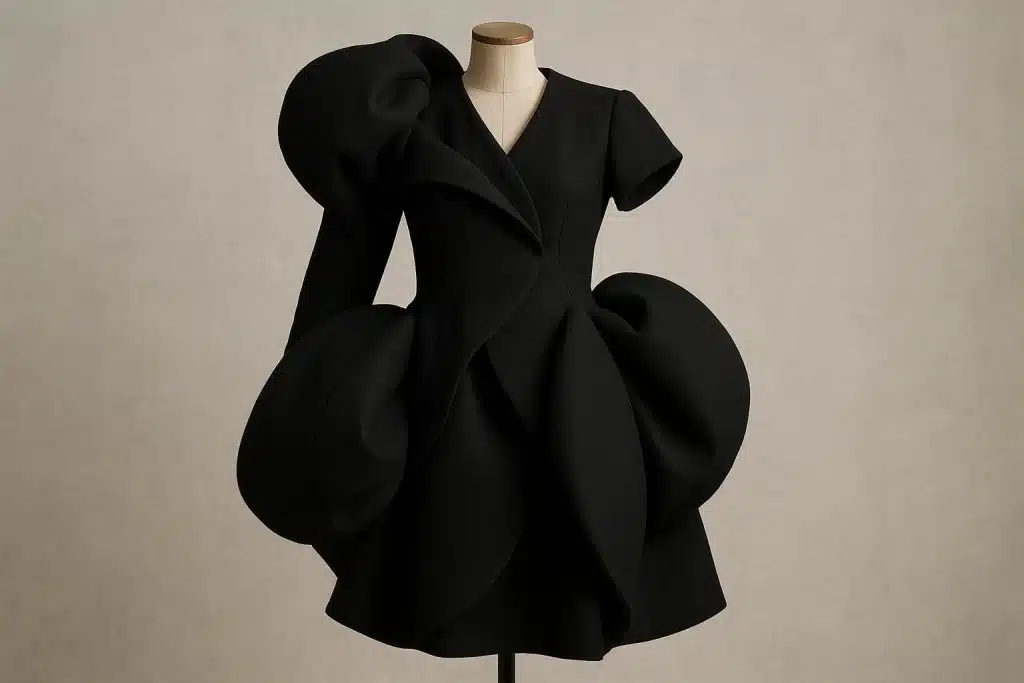

In the ever-evolving world of fashion, few brands have managed to challenge conventions and redefine aesthetics quite like Comme des Garçons. Known for its experimental designs, deconstructed silhouettes, and bold artistic vision check at https://commedesgarconstore.fr/, the label stands as a symbol of creativity and rebellion. Founded by visionary designer Rei Kawakubo, Comme des Garçons has consistently pushed the boundaries of what clothing can represent—not just as wearable items but as expressions of art and philosophy.
This article explores the origins, design philosophy, cultural impact, and continued influence of Comme des Garçons in the global fashion industry.
The Origins of Comme des Garçons
Comme des Garçons, which translates to “like boys” in French, was established in Tokyo in 1969 by Rei Kawakubo. Initially starting as a small label, the brand quickly gained attention for its unconventional approach to fashion. Kawakubo did not have formal training in fashion design, which perhaps contributed to her unique perspective and willingness to break traditional rules.
The brand made its Paris debut in 1981, where it shocked audiences with an all-black collection featuring distressed fabrics, asymmetrical cuts, and unfinished seams. Critics initially described the collection as “anti-fashion,” but it soon became clear that Comme des Garçons was pioneering a new movement that challenged Western ideals of beauty and perfection.
Rei Kawakubo: The Visionary Behind the Brand
At the heart of Comme des Garçons lies the creative genius of Rei Kawakubo. Unlike many designers who follow trends, Kawakubo creates collections based on abstract ideas, emotions, and concepts. Her work often explores themes such as identity, gender, imperfection, and the relationship between clothing and the body.
Kawakubo’s refusal to conform has earned her a reputation as one of the most influential designers of all time. She does not design for mass appeal; instead, she designs to provoke thought and challenge perceptions. This philosophy has allowed Comme des Garçons to maintain its originality and artistic integrity over decades.
Design Philosophy: Breaking the Rules
One of the defining characteristics of Comme des Garçons is its commitment to breaking traditional fashion rules visit at https://comme-des-garcon.de/. The brand is known for its:
- Deconstruction: Garments often appear unfinished or intentionally flawed.
- Asymmetry: Designs rarely follow conventional symmetry.
- Monochromatic palettes: Especially the frequent use of black.
- Unconventional silhouettes: Clothes that distort or reshape the human form.
Rather than emphasizing beauty in the traditional sense, Comme des Garçons embraces imperfection and ambiguity. The brand challenges the idea that clothing must be flattering or functional, instead presenting fashion as a medium for artistic expression.
Expansion and Sub-Labels
Over the years, Comme des Garçons has expanded into multiple sub-labels, each with its own identity. Some of the most notable include:
- Comme des Garçons Homme: Focused on menswear with a refined yet experimental approach.
- Comme des Garçons Play: Known for its iconic heart logo with eyes, offering more accessible and casual pieces.
- Comme des Garçons Noir: Emphasizing minimalist black designs.
- Comme des Garçons Shirt: A creative take on classic shirts with bold patterns and cuts.
These sub-labels allow the brand to reach a wider audience while maintaining its avant-garde core.
Collaborations and Global Influence
Comme des Garçons has collaborated with numerous brands and designers like https://bapeofficial.fr/, further expanding its influence. These collaborations often blend the brand’s experimental style with mainstream appeal, resulting in unique and highly sought-after collections.
One of the most notable partnerships is with Nike, where Comme des Garçons reimagines classic sneaker designs with bold twists. The brand has also collaborated with Converse, producing the popular Chuck Taylor sneakers featuring the Play heart logo.
These collaborations demonstrate the brand’s ability to bridge the gap between high fashion and streetwear, making avant-garde design more accessible to a global audience.
Comme des Garçons and the Concept of Anti-Fashion
Comme des Garçons is often associated with the concept of “anti-fashion.” This term refers to designs that deliberately reject mainstream trends and aesthetics. Instead of following seasonal styles, the brand creates timeless pieces that exist outside traditional fashion cycles.
Anti-fashion is not about rejecting fashion altogether but about redefining its purpose. Comme des Garçons challenges the idea that clothing must conform to societal norms, encouraging individuality and self-expression.
Cultural Impact and Legacy
The influence of Comme des Garçons extends far beyond the runway. The brand has played a significant role in shaping contemporary fashion and inspiring a new generation of designers. Its emphasis on creativity and experimentation has encouraged others to take risks and push boundaries.
Comme des Garçons has also been featured in major exhibitions, including a landmark retrospective at the Metropolitan Museum of Art’s Costume Institute. This recognition highlights the brand’s status as not just a fashion label but a cultural and artistic force.
Moreover, the brand’s retail concept stores, known as Dover Street Market, offer a unique shopping experience that blends fashion, art, and design. These spaces reflect Kawakubo’s vision of retail as an immersive and creative environment.
The Business of Innovation
Despite its avant-garde approach, Comme des Garçons is also a successful global business. The brand has managed to balance artistic innovation with commercial viability, a rare achievement in the fashion industry.
By offering a range of products—from high-end runway pieces to more accessible items like Play t-shirts—the brand caters to diverse audiences. This strategy allows Comme des Garçons to maintain its artistic identity while achieving financial success.
Challenges and Criticism
Like any groundbreaking brand, Comme des Garçons has faced criticism over the years. Some critics argue that its designs are too abstract or impractical for everyday wear. Others question the accessibility of avant-garde fashion.
However, these criticisms often highlight the very qualities that make the brand unique. Comme des Garçons is not meant to appeal to everyone; its purpose is to challenge, provoke, and inspire.
The Future of Comme des Garçons
As the fashion industry continues to evolve, Comme des Garçons remains a beacon of creativity and innovation. Under the continued leadership of Rei Kawakubo, the brand shows no signs of slowing down.
Future collections are likely to continue exploring new concepts and pushing boundaries, ensuring that Comme des Garçons remains at the forefront of avant-garde fashion. Its ability to adapt while staying true to its core philosophy is a testament to its enduring relevance.
Conclusion
Comme des Garçons is more than just a fashion brand—it is a movement that challenges the very definition of clothing and beauty. Through its bold designs, innovative philosophy, and unwavering commitment to creativity, the brand has redefined the boundaries of fashion.
From its humble beginnings in Tokyo to its global influence today, Comme des Garçons continues to inspire and provoke. It reminds us that fashion is not just about what we wear but about how we think, express, and see the world.