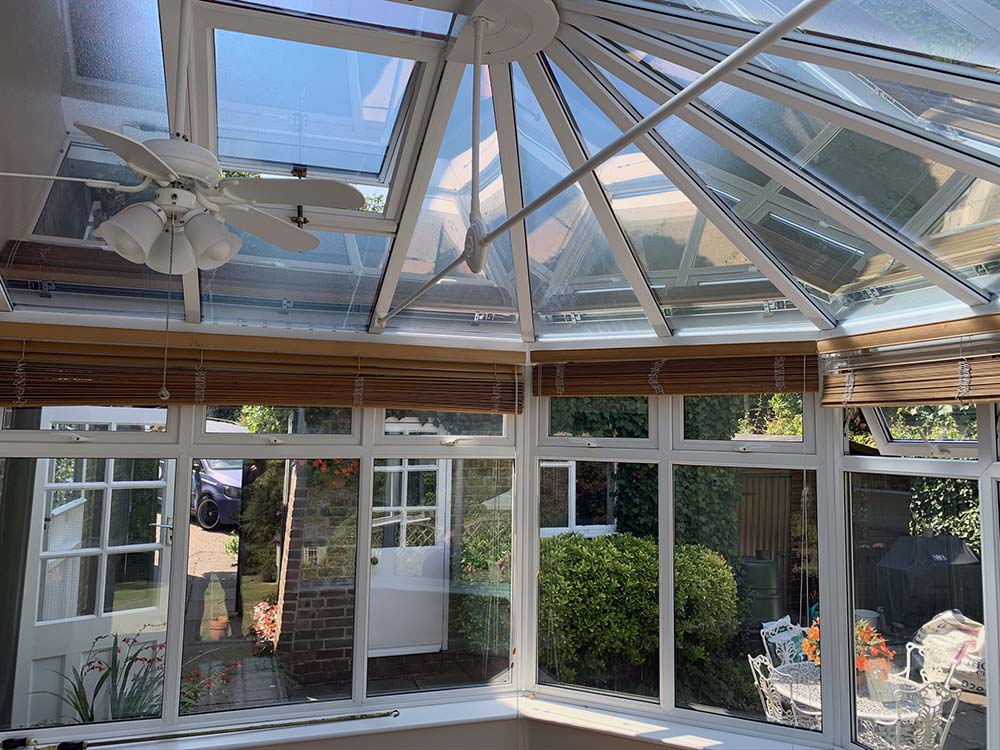

Anti glare window film is one of the quickest ways to improve comfort in a bright room without blocking daylight completely. If you’ve ever struggled to see a TV in the afternoon, squinted at a laptop near a window, or felt like a room is “too bright to relax in”, glare is usually the real problem—not the window itself.
If you’re considering anti glare window film, this guide explains what it does, where it works best, and how to choose the right approach so you get a noticeable improvement (without making the room feel gloomy).
What is anti glare window film?
Anti glare window film is a specialist film applied to glazing to reduce harsh visible light and reflections. The goal isn’t to make the room dark—it’s to cut the uncomfortable intensity and the mirror-like reflections that bounce off glass.
Depending on the film type, glare reduction can come with other benefits too, such as:
- Improved screen visibility
- Reduced eye strain
- Better comfort in sunny rooms
- Some level of heat and UV reduction (varies by film)
What causes glare in the first place?
Glare is usually caused by a combination of:
- Direct sunlight entering at a low angle
- Bright sky reflections on the glass
- Light bouncing off pale surfaces (walls, floors, desks)
- Large areas of glazing facing the sun
It’s most noticeable in south- and west-facing rooms, and in spaces with screens (home offices, meeting rooms, reception desks).
The real-world benefits of anti glare window film
Better screen visibility
This is the big one. Reducing reflections makes it easier to work, watch TV, or use devices without constantly adjusting blinds or moving furniture.
Less eye strain and headaches
Harsh glare can be tiring—especially in offices or study spaces. Glare reduction can make a room feel calmer and easier to spend time in.
A brighter room that feels more comfortable
A common misconception is that you have to “darken” a room to fix glare. The right anti-glare film can keep the room bright while removing the sharp edge of the light.
Where anti glare window film works best
Home offices and garden rooms
If you work near a window, glare is often the main reason productivity drops in the afternoon. Anti glare film helps maintain a usable workspace.
Living rooms with TVs
If sunlight hits the TV or reflects off the glass, you end up closing curtains and losing daylight. Glare reduction film can reduce the need to do that.
Commercial offices and reception areas
Glare on screens is a common complaint in open-plan offices. Film can improve comfort without changing the building layout.
Schools and training rooms
Glare can make screens and whiteboards hard to see. Reducing it improves visibility and comfort.
Choosing the right anti glare window film
1) Decide whether you need glare reduction only, or glare + heat control
Some films are designed mainly for glare. Others combine glare reduction with solar control.
- Glare-first:best for screen comfort
- Glare + heat:best for rooms that also overheat
2) Consider how much you want to change the look of the glass
Anti glare films range from subtle to more tinted/reflective finishes.
- Subtle finishes keep the view more natural
- Darker finishes can reduce glare more aggressively but may reduce daylight
3) Think about time of day
If glare is worst in the late afternoon, you’re likely dealing with a west-facing aspect. That can influence how strong a film you need.
What anti glare window film won’t do
It won’t eliminate all brightness
It reduces harshness and reflections, but the room will still be bright—especially on clear days.
It won’t fix poor screen placement
If a screen is directly opposite a window, glare may still be present. Film helps, but positioning and shading still matter.
It won’t replace ventilation
If the room also overheats, glare film alone may not solve temperature issues. You may need a solar control film or better airflow.
Common mistakes to avoid
Choosing the darkest film by default
Darker isn’t always better. The best anti glare window film is the one that solves glare while keeping the room pleasant.
Ignoring internal reflections
Sometimes glare is caused by internal surfaces (white desks, glossy floors). Film helps, but you may also want to adjust the room setup.
Poor installation prep
Dust and contamination show up as bumps and specks. A clean install is what makes film look professional.
Installation tips for a clean finish
- Clean glass thoroughly, including edges
- Use a proper slip solution and squeegee
- Work in a low-dust environment
- Trim carefully for crisp borders
Final thoughts
Anti glare window film is a practical solution for bright rooms where reflections and harsh light make the space uncomfortable. The best results come from choosing a film that matches your main issue—screen glare, general discomfort, or glare plus heat—and installing it neatly.
If you get the selection right, glare reduction is one of the most immediate, noticeable improvements you can make to a room with lots of glass.