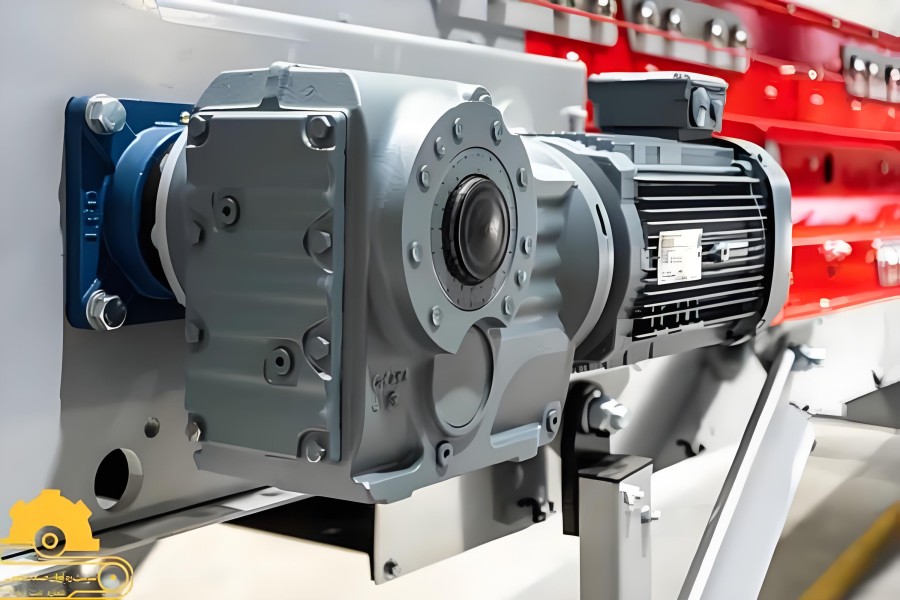

For growing manufacturing businesses, choosing the right gear motor supplier is more than a purchasing decision. Gear motors affect production stability, machine performance, energy use, maintenance costs, and long-term equipment reliability. A poor supplier may offer a low price at first, but later cause delivery delays, quality issues, replacement problems, or higher downtime costs.
This guide explains how manufacturers can evaluate gear motor suppliers before placing bulk orders.
Understand Your Application Requirements
Before comparing suppliers, define what your machines actually need. Different equipment requires different torque, speed, voltage, duty cycle, mounting style, protection level, and operating conditions.
Key points to confirm include:
- Required output speed and torque
- Motor power and voltage
- Gearbox type and reduction ratio
- Working environment temperature
- Load type and operating hours
- Space limits and installation method
- Noise, vibration, and efficiency requirements
A supplier can only recommend the right model when your application details are clear. For example, a conveyor system, packaging machine, medical device, agricultural tool, and lawn mower electric motor application may all need different gear motor designs.
Check Product Range and Customization Ability
A reliable supplier should offer more than one standard model. Growing manufacturers often need different motor sizes, gear ratios, shafts, flanges, cables, connectors, brakes, encoders, or housing materials.
When reviewing a supplier, check whether they can support:
- DC gear motors
- AC gear motors
- Brushless gear motors
- Planetary gear motors
- Worm gear motors
- Custom shaft and mounting designs
- Small-batch and mass production orders
If your product line is expanding, customization ability becomes very important. A supplier that can adjust designs based on your machine structure can help reduce redesign costs and shorten development time.
Evaluate Engineering Support
Price is important, but technical support is often more valuable. A professional gear motor manufacturer should help you select the right motor based on load, speed, torque, duty cycle, and installation conditions.
Good engineering support may include:
- Motor selection guidance
- Drawing and specification review
- Prototype support
- Performance testing
- Failure analysis
- Design improvement suggestions
For growing businesses, this support can reduce trial-and-error costs and improve the success rate of new product development.
Review Quality Control Standards
Gear motors must work reliably under repeated operation. Poor-quality gears, bearings, windings, lubrication, or assembly can lead to overheating, noise, low efficiency, and short service life.
Ask the supplier about their quality inspection process. Important checks may include:
- Raw material inspection
- Gear precision testing
- Motor performance testing
- Noise and vibration testing
- Temperature rise testing
- Load testing
- Final appearance and dimension inspection
A stable quality control system helps ensure that every batch performs consistently, especially when order volume increases.
Compare Production Capacity and Delivery Stability
As your business grows, your supplier must keep up with your demand. Some suppliers can handle samples well but struggle with repeat bulk orders.
Before cooperation, ask about:
- Monthly production capacity
- Lead time for samples
- Lead time for mass production
- Stock availability
- Supply chain stability
- Ability to support urgent orders
A supplier with strong production planning can help you avoid assembly delays and missed delivery schedules.
Consider Cost Beyond Unit Price
The cheapest gear motor is not always the lowest-cost choice. A low-priced motor may increase maintenance, replacement, inspection, and warranty costs.
When comparing quotations, consider:
- Product lifespan
- Failure rate
- Energy efficiency
- After-sales support
- Replacement part availability
- Packaging and shipping safety
- Long-term price stability
A slightly higher-quality motor may reduce downtime and provide better value over the full product life cycle.
Check Communication and After-Sales Service
Smooth communication is essential for long-term cooperation. A good supplier should respond clearly, provide accurate documents, and solve problems quickly.
Useful supplier documents include:
- Product datasheets
- Technical drawings
- Test reports
- Installation instructions
- Certificates
- Packaging details
After-sales service is also important. If a motor fails, the supplier should help identify the cause and provide practical solutions instead of only replacing parts.
Conclusion
Choosing the right gear motor supplier helps growing manufacturing businesses improve product quality, control costs, and support stable production. Before making a decision, evaluate application matching, customization ability, engineering support, quality control, production capacity, delivery stability, and long-term service.
A reliable supplier is not just a vendor. It is a technical partner that can support your business from prototype development to large-scale manufacturing.
READ ALSO: What Happens to Your Business When You Keep Delaying Industrial Equipment Investments?