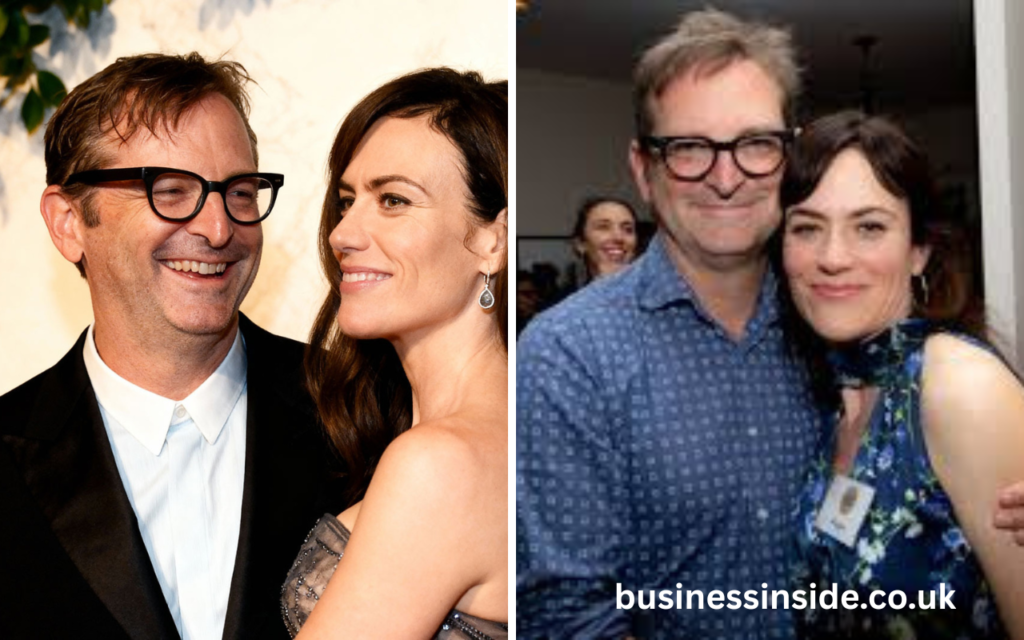

Paul Ratliff is best known to the public as the husband of actress Maggie Siff, but his life story extends far beyond his connection to Hollywood. Over the course of his career, Ratliff built a reputation as a researcher, innovation consultant, design strategist, psychologist, and licensed marriage and family therapist. His professional journey demonstrates a rare combination of intellectual curiosity, creativity, and dedication to understanding human behavior. While many celebrity spouses embrace public attention, Ratliff spent most of his life avoiding the spotlight and focusing on meaningful work that helped individuals, families, and organizations better understand themselves.
Interest in Paul Ratliff has increased significantly in recent years as fans of Maggie Siff have sought information about the man who stood beside one of television’s most respected actresses. His story is compelling because it combines multiple careers, a successful marriage, fatherhood, and a commitment to mental health. Unlike many public figures whose fame comes from entertainment or social media, Ratliff earned recognition through education, professional achievement, and personal integrity.
Who Is Paul Ratliff?
Paul Ratliff was an American psychologist, mental health practitioner, therapist, ethnographic researcher, innovation consultant, and design strategist. Although much of the public knows him through his marriage to Maggie Siff, his professional accomplishments created an identity entirely separate from celebrity culture.
Throughout his career, Ratliff worked across several disciplines. He began in research and design, helping companies understand consumer behavior and develop innovative solutions. Later, he transitioned into psychology and counseling, ultimately becoming a licensed marriage and family therapist. This shift reflected his growing interest in emotional well-being, relationships, and mental health.
His life demonstrates how professional reinvention can lead to meaningful work. Rather than remaining within a single career path, Ratliff followed his interests and continually expanded his expertise.
Early Life and Childhood
One of the reasons Paul Ratliff remains such an intriguing figure is the limited information available about his early years. Unlike many public personalities, he never shared extensive details about his childhood, parents, or family background. Most biographical sources indicate that he was born and raised in the United States, but exact details regarding his upbringing remain private.
This privacy became a recurring theme throughout his life. Even after marrying a well-known actress, Ratliff rarely discussed personal matters publicly. Friends and colleagues often described him as thoughtful, intelligent, and deeply focused on his work rather than publicity.
Although little is known about his formative years, his educational and professional choices suggest an early interest in people, communication, storytelling, and psychology. These interests would later shape every stage of his career.
Educational Background
Education played a significant role in Paul Ratliff’s development and professional success. His academic journey reflects both creative and scientific interests.
Ratliff attended Wesleyan University, where he earned a Bachelor of Fine Arts degree. His studies reportedly emphasized film, theater, and creative disciplines. This artistic foundation helped him develop observational skills, empathy, and an understanding of human experiences that would later benefit his research and therapeutic work.
Years later, after establishing himself in research and consulting, Ratliff decided to pursue graduate studies in psychology. He attended Pacifica Graduate Institute and earned a master’s degree in Counseling Psychology. This educational transition marked a turning point in his life and career.
His graduate training provided the foundation for his work as a therapist and mental health professional. It also demonstrated his willingness to pursue new challenges even after achieving success in other industries.
Early Career in Ethnographic Research
Before becoming a therapist, Paul Ratliff spent many years working in ethnographic research.
Ethnographic research involves studying people in real-world environments to understand behaviors, motivations, habits, and cultural influences. Ratliff excelled in this field because of his ability to observe and analyze human interactions.
During the early stages of his career, he worked as a researcher for organizations focused on innovation and consumer insights. His responsibilities included conducting field studies, interviewing participants, identifying behavioral patterns, and translating research findings into practical recommendations for businesses.
His work covered a wide range of industries, including telecommunications, consumer electronics, automotive services, healthcare, and beauty products. These experiences exposed him to diverse populations and provided valuable insight into how people make decisions.
The skills he developed during this period—active listening, empathy, observation, and behavioral analysis—would later become central to his therapeutic practice.
Work at Sapient and Innovation Consulting
One of the most significant chapters of Ratliff’s professional life involved his work in innovation consulting and design strategy.
Sources indicate that he joined Sapient’s research think tank in the late 1990s and became involved in research planning and project management. His work focused on helping companies understand customer experiences and identify opportunities for innovation.
As a consultant, Ratliff collaborated with organizations seeking to improve products, services, and user experiences. He used research findings to help businesses make informed decisions about design, marketing, and customer engagement.
This work required a unique combination of analytical thinking and human-centered insight. Rather than relying solely on statistics, Ratliff examined the emotional and behavioral factors that influenced consumer choices.
His contributions helped organizations develop more effective and meaningful solutions for their customers.
Design Strategy and Human-Centered Innovation
Following his research career, Ratliff expanded into design strategy.
Design strategists work at the intersection of research, business, and creativity. They help organizations understand human needs and develop products or services that address those needs.
Ratliff’s expertise made him particularly effective in this role. He understood that successful innovation depends on empathy and observation as much as technical knowledge. By studying real people in real situations, he helped organizations create solutions grounded in genuine human experiences.
His consulting work reportedly included projects with major corporations, including healthcare and consumer-product companies. These experiences broadened his understanding of human behavior and reinforced his interest in psychology.
Over time, he became increasingly interested in working directly with individuals rather than solely advising organizations.
Transition Into Psychology
Perhaps the most fascinating aspect of Paul Ratliff’s life is his transition from corporate consulting to psychotherapy.
Many professionals spend their entire careers in a single field. Ratliff chose a different path. After years of success in research and innovation, he returned to graduate school to pursue counseling psychology.
This decision reflected a desire to engage more deeply with personal growth, emotional healing, and human relationships. Rather than studying behavior from a distance, he wanted to help people navigate challenges directly.
His transition required years of academic study, supervised clinical experience, and professional training. Yet his previous work provided a strong foundation because both research and therapy depend on understanding people.
The shift ultimately allowed him to align his professional life with his passion for helping others.
Becoming a Licensed Marriage and Family Therapist
After completing his graduate education, Ratliff became a licensed marriage and family therapist.
Marriage and family therapists specialize in helping couples, families, and individuals improve communication, resolve conflicts, and strengthen relationships. They examine how emotional patterns and interpersonal dynamics affect mental health and well-being.
Ratliff’s work focused on helping clients understand themselves more clearly and develop healthier relationships. He addressed issues such as communication difficulties, family conflicts, anxiety, emotional stress, and relationship challenges.
Clients and colleagues reportedly valued his thoughtful approach and ability to create a supportive therapeutic environment.
His background in research enhanced his effectiveness as a therapist because he could identify behavioral patterns while remaining attentive to each client’s unique experience.
Professional Philosophy
Although Paul Ratliff rarely sought media attention, available information provides insight into his professional philosophy.
His work emphasized awareness, empathy, emotional honesty, and personal growth. He believed that therapy was not simply about solving problems but about helping individuals understand themselves more deeply.
This perspective reflects contemporary approaches to mental health that focus on self-awareness, emotional intelligence, and meaningful relationships.
Ratliff also showed interest in broader discussions surrounding masculinity, emotional vulnerability, and mental wellness. He encouraged people to move beyond outdated stereotypes and embrace healthier forms of self-expression and connection.
These values influenced both his professional practice and personal life.
How Paul Ratliff Met Maggie Siff
One of the most searched topics about Paul Ratliff involves his relationship with Maggie Siff.
According to published accounts, the couple first connected through email correspondence while Siff was working on the television series Sons of Anarchy. Their conversations quickly revealed a strong intellectual and emotional connection. What began as communication gradually developed into a romantic relationship.
Their courtship differed from many celebrity relationships because it developed privately and away from public scrutiny.
The foundation of their relationship was communication, mutual respect, and shared values rather than fame or public attention.
Marriage to Maggie Siff
Paul Ratliff and Maggie Siff married in October 2012. Their wedding marked the beginning of a partnership that remained remarkably private despite Siff’s celebrity status.
Throughout their marriage, the couple maintained a low public profile. They rarely discussed personal matters in interviews and generally avoided media attention.
Friends and observers often described their relationship as grounded, supportive, and intellectually engaging. Ratliff’s calm, thoughtful personality complemented Siff’s creative career, creating a strong partnership built on trust and understanding.
Their marriage became an example of how celebrity relationships can thrive outside the constant glare of publicity.
Who Is Maggie Siff?
Paul Ratliff’s public recognition is closely tied to his wife’s success.
Maggie Siff is a highly respected American actress known for several acclaimed television roles. She portrayed Rachel Menken Katz in the television drama Mad Men, Dr. Tara Knowles in Sons of Anarchy, and Wendy Rhoades in Billions.
Her performances have earned widespread critical praise and established her as one of television’s most accomplished actresses.
Despite her public career, Siff has consistently prioritized privacy and family life.
Parenthood and Daughter Lucy
Family became even more important to Paul Ratliff and Maggie Siff when they welcomed their daughter, Lucy.
In 2013, Siff announced that she was expecting the couple’s first child. Lucy was born in April 2014 and quickly became the center of their family life.
Siff publicly expressed confidence in Ratliff’s parenting abilities, describing him as kind, playful, and naturally suited to fatherhood. She believed he would be a wonderful father because of his warmth and sense of humor.
The couple worked hard to protect their daughter’s privacy and provide a stable upbringing away from excessive media attention.
A Private Family Life
One of the defining characteristics of Paul Ratliff’s life was his commitment to privacy.
Despite attending occasional industry events with his wife, he largely remained outside the public eye. He avoided social media, rarely gave interviews, and focused his energy on family and professional responsibilities.
This approach allowed the family to maintain a sense of normalcy despite Maggie Siff’s fame.
Their lifestyle demonstrates that public success and private happiness are not mutually exclusive.
Paul Ratliff’s Legacy
Paul Ratliff’s legacy extends beyond his connection to Hollywood.
His contributions to psychology, therapy, research, and innovation illustrate a lifelong commitment to understanding people and helping them thrive. Whether working with corporate clients, conducting research, or supporting therapy patients, he consistently focused on empathy, insight, and human connection.
His career also serves as a powerful example of professional reinvention. Few individuals successfully move between creative arts, research, consulting, and mental health practice. Ratliff accomplished this by remaining curious, adaptable, and committed to lifelong learning.
Most importantly, he left a lasting impact on those closest to him—his family, colleagues, clients, and friends.
Conclusion
Paul Ratliff was far more than simply Maggie Siff’s husband. He was a psychologist, therapist, researcher, innovation consultant, design strategist, husband, and father whose life reflected a deep commitment to understanding human behavior. His professional journey took him from ethnographic research and corporate consulting to counseling psychology and family therapy, demonstrating remarkable versatility and intellectual curiosity.
Although he remained largely private throughout his life, interest in Paul Ratliff continues because his story represents something increasingly rare: a life defined by purpose rather than publicity. His work in mental health, his dedication to family, and his supportive partnership with Maggie Siff have made him a figure of enduring interest.
Through his achievements and relationships, Paul Ratliff leaves behind a legacy centered on empathy, growth, emotional intelligence, and meaningful human connection. His story reminds us that some of the most influential lives are lived quietly, away from the spotlight, yet leave a profound impact on everyone they touch.
you may also read :Family Life and Upbringing