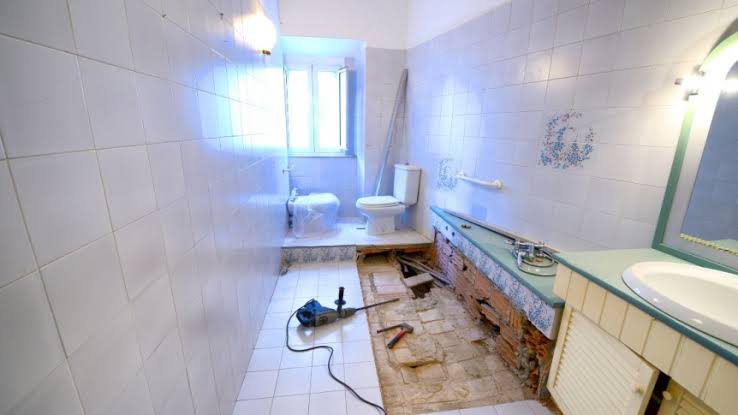

Bathroom upgrades have a funny habit of starting with excitement and ending with a skip bin half full of tiles, old vanity units, cracked mirrors, and bits of plaster that seem to multiply when nobody’s looking. On the Gold Coast, where homes range from breezy beachside units to older family houses tucked inland, bathroom work often means dealing with more than just a new colour scheme. There’s water damage, dated fittings, and layers of materials that have been patched over the years. That’s where waste creeps in. A sustainable renovation is not about being precious with every tiny offcut. It is about being clever with what comes out, what goes back in, and what gets sent away. That approach saves money, keeps the site tidier, and makes the whole job feel a lot less like a demolition derby.
Start with a plan, not a pile of rubble
A lot of waste comes from rushing. Someone sees a cracked tile or a leaky shower screen and assumes the whole room needs a dramatic reset. Sometimes that is true. Other times, a few sections can be kept, repaired, or repurposed. Before anything is pulled apart, it helps to walk through the room properly and ask a few blunt questions:
What actually needs replacing?
What can be repaired with a bit of work?
Are the fixtures solid enough to reuse elsewhere?
Is there hidden damage behind the walls or under the floor?
That last one matters more than most people think. Bathrooms love to hide trouble. A vanity might look fine on the outside while the wall behind it is quietly suffering from years of moisture. If that sort of issue is found early, the removal work can be planned properly instead of becoming a last-minute scramble.
Salvage what still has life in it
Not every item belongs in the bin. Old towel rails, taps, mirrors, cabinet hardware and even some tiles can sometimes be reused. Some people pass them on through local reuse networks, while others keep them for future repairs. In Australia, where renovation costs keep rising, salvaging usable bits is a practical move as much as an environmental one. There is a bit of satisfaction in rescuing something decent from a room that is being stripped back. An old mirror might be too plain for a main bathroom but perfect for a laundry or powder room. A decent tap set could get another run in a rental property or a backyard kitchenette. That sort of thinking keeps materials in use longer and stops perfectly good items from becoming landfill for no real reason.
Sort waste as you go
When a bathroom gets torn out, waste tends to arrive in waves. Tiles in one pile, timber in another, metal scraps, plasterboard, packaging, old silicone, the occasional mystery object from behind the cabinet. If everything gets chucked together, recycling becomes harder and the whole load usually ends up as mixed waste. A smarter setup uses separate piles or bins from the start. Metal can often be recycled. Timber may have another life if it is clean and untreated. Clean concrete and masonry can be processed differently from general rubbish. Even cardboard packaging from new fixtures should go in the right place. This sort of sorting sounds fiddly, and yes, it can be a bit annoying on a hot Gold Coast day when everyone is keen to get moving. Still, it saves effort later. It also makes the site look more professional, which never hurts when neighbours are peering over the fence wondering why their street has suddenly become a building zone.
Choose materials with a lighter footprint
A sustainable renovation is not only about waste coming out. It is also about what goes in. There are plenty of bathroom materials that hold up well without being wasteful. Recycled tiles, responsibly sourced timber, low-VOC paint, water-saving tapware and long-lasting cabinetry all make sense. The trick is choosing products that can handle the humidity, the cleaning products and the everyday wear that bathrooms cop all year round.
What to look for
Durability over novelty
Water efficiency ratings on tapware and showerheads
Materials that can be cleaned and maintained easily
Products with recycled content or recycling potential
Simple designs that age well instead of looking tired after a season or two
There is no prize for picking the trendiest basin if it chips at the first hard knock. A bathroom that lasts is usually the greener choice, because it avoids future replacement and the waste that comes with it.
Work with the building conditions, not against them
Gold Coast homes can throw up all sorts of surprises. Coastal air can be hard on metals. Older properties may have patchy waterproofing. Some homes have renovations stacked on top of renovations, which means the original structure is often hiding behind layers of previous decisions, some sensible, some a bit optimistic. That is why careful removal matters. If a bathroom demolition is done with care, there is less chance of damaging surrounding walls, floors or plumbing runs that could still be useful. Sloppy work can turn a neat upgrade into a bigger repair job, and that usually means more waste, more cost and more time spent muttering at the mess. It helps to think of demolition as selective clearing rather than brute force. The aim is to remove what is needed, protect what can stay and avoid creating a second project by accident.
Keep an eye on water and dust
Waste is not only about what gets carted away. Dust, slurry and wash-off can create their own problems if they are not managed properly. Fine particles from old tiles and plaster can spread quickly through a house. On the Gold Coast, where many people keep windows open for the sea air, that dust can travel farther than expected. A tidy work area reduces contamination, and that means less material becomes unusable. Covering nearby surfaces, sealing off the room and cleaning as the job progresses all help. Water should also be controlled carefully, especially when old fixtures are removed. A bit of care here stops damage from spreading into hallways, adjoining rooms or down into the subfloor. This might sound a bit fussy, but the alternative is a renovation site that looks like a sandstorm got invited in for a long lunch.
Think about the room after the reno too
Sustainable renovation does not stop the day the last tile is laid. A well-designed bathroom should be easy to maintain without constant patching, repainting or replacing bits and pieces every few years. That means choosing finishes that tolerate damp conditions, fittings that are easy to clean, and layouts that allow access if repairs are ever needed. Hidden leaks are a nightmare. So are awkward corners that collect grime and need harsh cleaning products every week.
Simple design choices that help
Wall-mounted vanities for easier floor cleaning
Large-format tiles to reduce grout lines
Quality waterproofing from the start
Timeless finishes rather than short-lived trends
Storage that prevents clutter and breakages
Less clutter means fewer items getting broken, replaced or thrown out. A neat bathroom can be surprisingly good at saving waste without looking like it is trying too hard.
Local habits matter more than people think
On the Gold Coast, many homeowners are thinking more carefully about what happens to building waste. Council rules, recycling options and changing expectations around sustainability all play a part. There is also a growing sense that renovations should not just look good for Instagram and then create a mountain of landfill behind the scenes. Local trades and homeowners are becoming a bit more selective. They want cleaner sites, smarter material choices and less unnecessary dumping. Fair enough too. When homes are near beaches, waterways and green pockets, waste feels a lot less abstract. It is not just “out of sight, out of mind” anymore. That shift is useful. It pushes renovation work towards better habits, and those habits tend to stick once people see the difference.
The real win is balance
A sustainable bathroom upgrade is not about being perfect. It is about making better choices where they count. Keep what still works. Recycle what can be separated. Choose materials that last. Plan the work so the room is stripped back with care, not wrecked for the sake of speed. That approach feels sensible because it is sensible. Less waste, fewer headaches, and a bathroom that ends up looking cleaner in every sense. On the Gold Coast, where homes often juggle salt air, humidity and the usual wear of family life, that kind of thinking pays off nicely. And honestly, it is a relief when a renovation finishes with a fresh new room rather than a mountain of discarded material waiting for a landfill trip.