
Every plumbing company eventually gets the call about a fixture installed months ago acting up, and the customer expects it to be handled under warranty. What happens next hinges on one factor: whether the original job was documented properly. A thin record turns a warranty visit into detective work, while a complete one makes it a quick, confident fix. The difference between these two outcomes usually comes down to the plumbing job management software running behind the scenes.
Why Warranty Callbacks Can Become Stressful
Return visits are a normal part of the trade, not a failure. Across the wider field service industry, one in four service calls still requires a follow-up visit, and warranty work accounts for a considerable share of these trips. The repair itself is rarely the hard part. The hard part is everything you can’t remember about the first visit.
Picture a technician sent to a leaking water heater connection installed last spring. Was a pressure-reducing valve fitted? Which brand of flex line went in? Did the customer sign off on a known limitation? When that information was written up from memory at the end of a long shift, the visit stalls. The plumber improvises, the office fields an awkward call about coverage, and the customer wonders why a “warranty” job feels so uncertain.
What a Properly Documented Job Contains
A warranty-ready record isn’t one form. It pulls together several pieces captured while the technician is still on-site:
- Before-and-after photos showing the original condition and the finished work.
- Part numbers and materials logged against that specific address.
- Pressure or meter readings taken at installation.
- A completed checklist confirming each required step was performed.
- Customer sign-off acknowledging scope and any noted exclusions.
How the Right Platform Removes the Guesswork
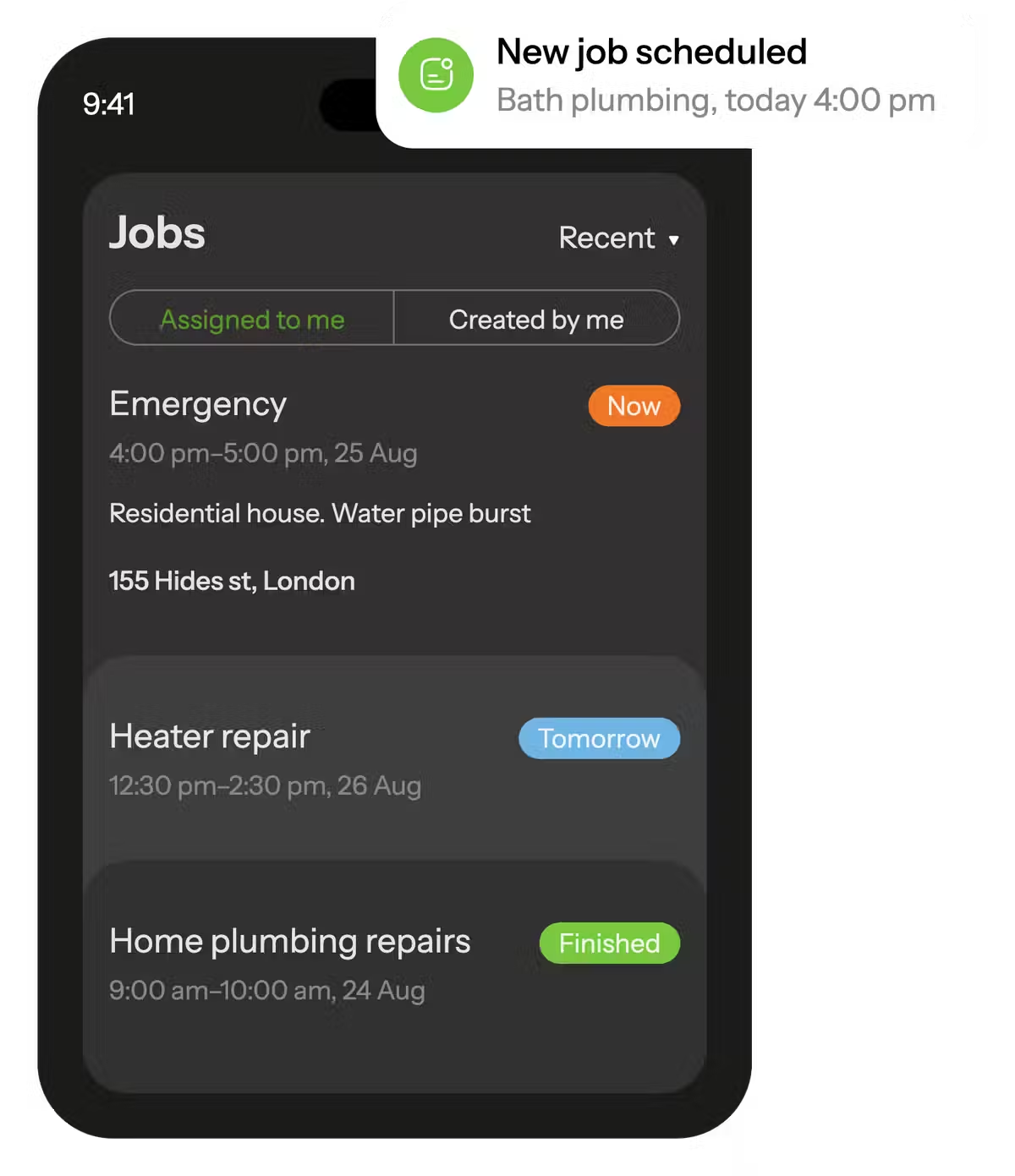
In a system like Planado, each job type carries its own checklist, and required fields stop a technician from closing a job until the photos and details are in. Thus, nothing gets reconstructed from memory after the fact. Readings, part numbers, and images sync to the office the moment the report is submitted.
This same discipline solves the materials that vanish from the books. Parts get used across dozens of jobs, and without a record of each one, the inventory drifts out of sync by month’s end. Because Planado’s built-in product catalog ties every part and consumable to the job as it’s logged, usage stays traceable per site, which matters when a warranty claim hinges on what was installed.
The payoff lands on the callback itself. When it arrives, the dispatcher opens the original record and sees what went in, by whom, and with which materials, so the technician shows up prepared. A client portal extends this transparency to the customer, who can view their full service history and photo reports on a branded page. Coverage disputes that once turned into he-said-she-said arguments are settled by time-stamped evidence both sides can see.
Turning Records Into Repeat Business
Warranty visits will never disappear, but they don’t have to drain your team’s time or your customer’s patience. With dependable documentation behind every job, plumbing job management software turns callbacks from anxious scrambles into smooth, professional follow-ups. Plumbing companies that are ready to make every return visit painless should build this record from day one.