
Enlarged pores are one of the most common cosmetic concerns brought to dermatologists and aesthetic clinics across the United States. Unlike breakouts or discoloration, pore size is a structural issue rooted in skin physiology — and that distinction matters when choosing a treatment. For years, topical solutions dominated the market, but their results were largely temporary and surface-level. As laser-based technologies became more accessible in clinical settings, open pores laser treatment emerged as a more consistent and clinically supported approach to reducing pore appearance at a deeper tissue level.
For patients considering this option, the decision is rarely straightforward. There are multiple laser types, varying recovery timelines, different cost structures across states, and a wide range of outcomes depending on skin type, clinic expertise, and pre-treatment condition. This guide is designed to give patients a clear, accurate picture of what this treatment involves, how it works, and what to realistically expect before, during, and after the procedure.
Understanding What Open Pores Laser Treatment Actually Does
Before booking a consultation, it helps to understand the mechanism behind this treatment rather than just the marketed outcome. For patients researching their options, an Open Pores Laser Treatment guide can clarify the clinical reasoning behind different laser approaches and help set realistic expectations before stepping into a clinic.
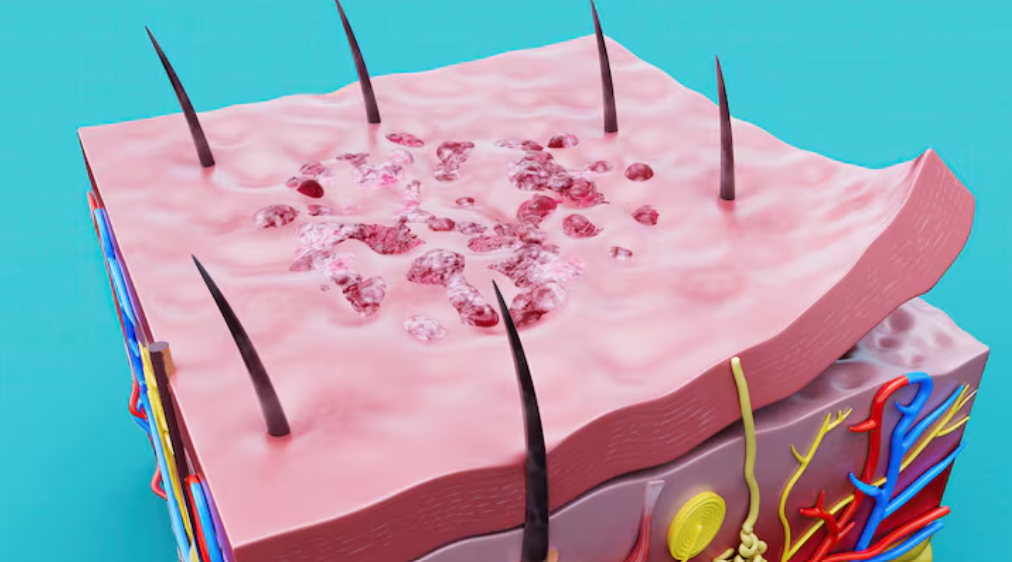
Laser energy targets the dermis — the layer of skin beneath the surface — where collagen and elastin fibers support the skin’s structure. When pores appear enlarged, it is typically because the surrounding tissue has lost elasticity, or because excess sebum and environmental damage have stretched the follicle opening over time. Laser treatment works by delivering controlled thermal energy to this deeper tissue layer, which stimulates the skin’s natural repair response and gradually tightens the structures surrounding each pore.
The Role of Collagen Stimulation in Long-Term Results
The results from open pores laser treatment are not immediate. This is one of the most important things patients need to understand before committing to a procedure. The visible improvement typically develops over several weeks and continues for months following the session, as the body produces new collagen in response to the controlled thermal stimulus. This biological process cannot be accelerated, and results are cumulative — meaning most patients see the best outcomes after a series of sessions rather than a single appointment.
Patients who expect instant results often leave dissatisfied, not because the treatment failed, but because their expectations were not aligned with the clinical timeline. A well-informed patient understands that the healing and remodeling phase is where the real change occurs, and that the treatment itself is simply the trigger for that process.
Why Topical Treatments Alone Fall Short
Many patients arrive at laser treatment after years of using retinoids, niacinamide serums, clay masks, and chemical exfoliants with limited success. These products can improve surface texture and reduce congestion temporarily, but they do not address the structural looseness that makes pores appear enlarged. According to dermatological research published by the American Academy of Dermatology, pore size is significantly influenced by genetics, sebum production, and collagen density — factors that topical products can influence only partially and temporarily.
Laser treatment, by contrast, acts directly on the tissue architecture. It is not a substitute for good skincare habits, but it addresses the underlying structural problem in a way that creams and serums cannot.
Types of Lasers Used and How Clinicians Choose Between Them
Not all lasers used for open pores are the same, and the choice of technology depends on the patient’s skin type, the degree of visible pore enlargement, skin sensitivity, and the acceptable amount of downtime. Clinicians typically assess these variables during an initial consultation before recommending a specific approach.
Ablative Versus Non-Ablative Approaches
Ablative lasers work by removing the outer layer of skin in a controlled way, which triggers a more aggressive healing response and generally produces more significant results. These are suited to patients with marked skin laxity or significant pore enlargement who can tolerate a longer recovery period. Non-ablative lasers, on the other hand, deliver energy without removing the surface layer, which means recovery time is shorter but results tend to develop more gradually and may require more treatment sessions to achieve comparable improvement.
The choice between these two approaches is not simply about which is more effective — it is about matching the clinical method to the patient’s skin condition, schedule, and tolerance for downtime. A patient who cannot take a week away from work may be better served by a non-ablative protocol even if the overall results build more slowly.
Fractional Laser Technology and Its Practical Advantages
Fractional laser systems have become a preferred option in many US clinics because they treat only a fraction of the skin surface at a time, leaving surrounding tissue intact. This approach preserves the skin’s ability to heal quickly while still reaching the deeper layers where collagen remodeling occurs. The intact tissue between treated zones accelerates recovery and reduces the risk of side effects, particularly for patients with medium to darker skin tones who are more susceptible to post-inflammatory changes.
Fractional technology also allows clinicians to adjust treatment intensity with greater precision, which is particularly valuable when treating patients with varying degrees of concern across different facial zones. The forehead, cheeks, and nose, for example, may require different energy settings based on skin thickness and pore density.
Candidacy: Who Benefits Most and Who Should Wait
Open pores laser treatment is not universally appropriate, and good clinicians are direct about this during consultations. Patients with active acne, recent sunburn, certain skin conditions, or who are taking specific medications — particularly those that affect photosensitivity or skin healing — may need to resolve these issues before treatment is appropriate.
Skin Tone Considerations in Treatment Planning
Patients with medium to deep skin tones have historically faced higher risks with certain laser modalities, specifically those with a risk of altering pigmentation. Hyperpigmentation following laser treatment remains a documented concern for this group, and it is not something a skilled clinician dismisses. The most responsible clinics will discuss this openly and select technologies with a lower risk profile for melanin-rich skin, or recommend a patch test before committing to a full-face session.
This is not a barrier to treatment but a reason to be selective about which clinic and which technology is used. Patients in this group should specifically ask how a clinic handles post-inflammatory risk and what the protocol is if pigmentation changes occur.
Lifestyle Factors That Influence Outcomes
Sun exposure before and after treatment significantly affects both safety and results. Patients who are regularly exposed to strong sunlight — particularly those in southern states — need to establish consistent sun protection habits for several weeks before treatment and maintain them rigorously afterward. Smoking, poor hydration, and certain dietary patterns that affect skin regeneration can also reduce the quality of results, as collagen production is dependent on general tissue health.
Clinicians who take a thorough patient history before recommending a treatment plan are generally more reliable than those who move quickly to scheduling. The intake process is a meaningful part of determining whether a patient will respond well.
What the Treatment Process Looks Like in Practice
A typical open pores laser treatment session in a US clinic begins with a topical numbing agent applied to the treatment area, which is given time to take effect before the laser is used. The procedure itself varies in duration depending on the surface area being treated and the technology used. Most full-face sessions take less than an hour.
During the procedure, patients typically feel warmth and mild discomfort rather than sharp pain, particularly with non-ablative systems. Ablative and more aggressive fractional approaches may involve more noticeable sensation, which the numbing agent helps manage. Immediately following treatment, redness and a sensation similar to a mild sunburn are common and expected.
Recovery Timelines and Post-Treatment Care
Recovery varies significantly depending on the type of laser used. Non-ablative treatments often allow patients to return to normal activities within a day or two, with minor redness as the primary visible sign of treatment. More aggressive protocols may involve several days of peeling, swelling, and visible skin changes as the tissue heals.
Post-treatment care typically includes gentle cleansing, specific moisturizers recommended by the clinic, avoidance of active skincare ingredients such as acids or retinoids during the healing phase, and consistent sun protection. Patients who do not follow these guidelines risk slowing recovery or affecting the quality of their final result.
Cost, Access, and What to Ask Before Booking
Laser treatment for open pores is not covered by health insurance in the United States, as it is classified as a cosmetic procedure. Pricing varies by geography, clinic type, and the technology used. Urban clinics in high-cost markets typically charge more than practices in smaller cities, and medical spa pricing may differ significantly from dermatology clinic pricing for similar services.
Patients should approach cost conversations directly with clinics, asking specifically about what is included in the quoted price, whether multiple sessions are expected, and what the policy is if results are not as anticipated. Clinics that are reluctant to discuss these points clearly during consultation are worth approaching with caution.
Questions worth asking before booking include how many sessions are typically needed to see results, what the clinic’s experience is with your specific skin type, what aftercare is included, and whether a patch test is offered prior to a full session.
Closing Thoughts: Making an Informed Decision
Open pores laser treatment is a clinically supported option for patients looking to address pore appearance at a structural level rather than managing it temporarily with topical products. The technology has matured considerably, and outcomes for appropriate candidates are generally consistent when treatment is delivered by qualified practitioners using the right equipment for the patient’s skin type.
That said, this is not a treatment to approach passively. Patients who invest time in understanding how the procedure works, what the realistic timeline for results looks like, and what their recovery will require tend to report better experiences — not because the treatment performed differently, but because they were prepared for what was ahead. The most important step before booking is a thorough consultation with a licensed dermatologist or credentialed aesthetic clinician who is willing to have an honest conversation about whether this treatment is appropriate for you, and why.
Pore size is influenced by factors that are not entirely within anyone’s control, but the structural contribution to enlarged pores is something laser technology can address meaningfully. For the right candidate, with the right clinical guidance, the results are not dramatic in the way marketing language often suggests — they are quiet, gradual, and real.