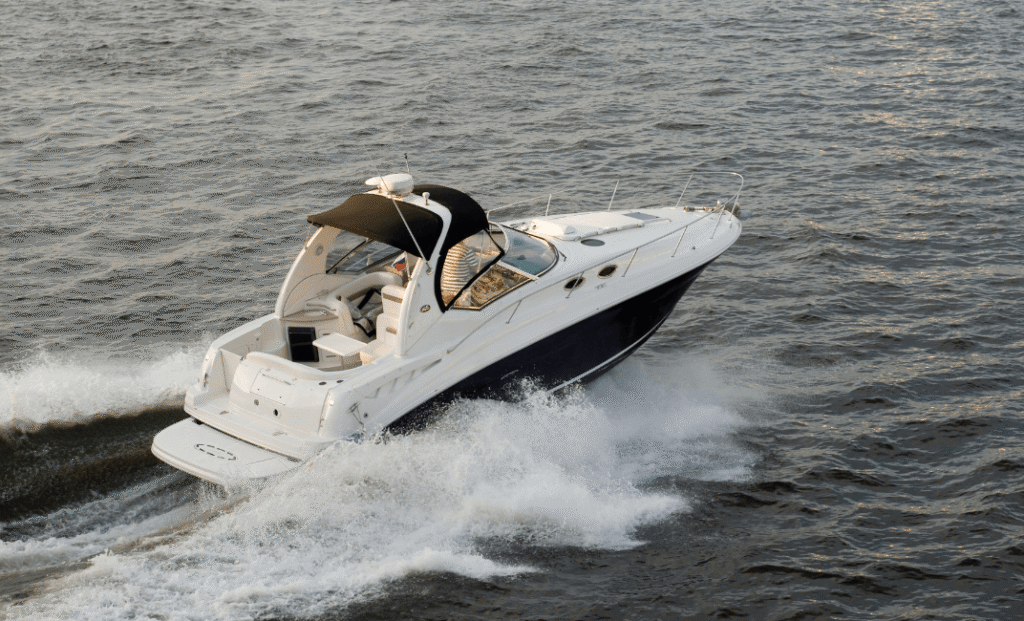

Renting a boat is no longer a niche activity reserved for seasoned mariners. Across lakes, bays, coastal waterways, and inland reservoirs, recreational boating has grown into a mainstream leisure market. With that growth has come a more pressing question for rental operators, marina owners, and individual renters alike: what kind of insurance coverage actually applies when a boat changes hands temporarily, and what happens when something goes wrong on the water?
The answer is rarely simple. Boat rentals exist at the intersection of personal liability, property risk, commercial operation, and marine law — a combination that most standard insurance policies are not built to address cleanly. Gaps in coverage are common, and they tend to surface only after an incident has already occurred. For anyone involved in renting or operating a rental vessel, understanding how insurance applies — and where it does not — is a practical operational concern, not an abstract one.
This guide covers the coverage types that matter, how costs are structured, and what distinguishes carriers and policies in this specific segment of the marine insurance market.
What Boat Insurance for Rentals Actually Covers
Most people assume that a standard homeowner’s policy or a personal watercraft endorsement will extend to a rented vessel. In most cases, it will not. Personal marine policies are written around ownership and regular use — not temporary possession by someone other than the named insured. When you rent a boat, you are operating a vessel you do not own, often in unfamiliar waters, under terms set by a third party. That context changes the insurance picture entirely.
For renters and operators seeking clarity on what genuine boat insurance rental coverage looks like in practice, the policy structure typically separates into two broad categories: liability coverage and physical damage coverage. These two elements serve different purposes and are often purchased or assessed separately depending on the party involved.
Liability coverage addresses bodily injury and property damage caused to others. If a rented vessel collides with another boat, a dock, or injures a passenger, liability coverage responds to those third-party claims. Physical damage coverage — sometimes called hull coverage in marine terminology — addresses damage to the vessel itself, whether from collision, weather, vandalism, or sinking.
What complicates rental scenarios is that these two categories may be held by different parties. The rental operator may carry hull coverage on the boat. The renter may be expected to carry their own liability coverage. Or the rental agreement may include a liability waiver that shifts risk entirely to the renter. Understanding which party holds which coverage — and whether those policies interact without conflict — is the first layer of due diligence in any rental arrangement.
The Role of Rental Agreements in Coverage Determination
A rental agreement is not just a legal formality. In marine insurance terms, it functions as a coverage transfer document. Many rental operators use agreements that require renters to accept financial responsibility for any damage to the vessel up to a specified amount — often framed as a damage deposit or deductible equivalent. What renters frequently do not realize is that signing such an agreement may create a financial exposure that their existing insurance does not cover.
Some rental operators offer what is called a damage waiver or protection plan at the point of rental. These are not insurance policies in the regulated sense. They are contractual agreements in which the operator agrees not to pursue the renter for damage costs in exchange for a daily fee. They typically do not cover liability to third parties, and they often exclude incidents involving negligence, intoxication, or operation outside designated areas. A damage waiver accepted at a boat rental counter does not substitute for genuine liability protection.
When Personal Watercraft Policies Extend to Rentals
Some personal watercraft insurance policies include a provision for non-owned boat coverage, which can apply when the policyholder rents a vessel. This provision operates similarly to the non-owned auto coverage found in personal auto policies. Coverage is typically secondary to any insurance held by the rental operator and is subject to the same liability limits as the base policy.
The practical limitation here is that non-owned boat provisions are not universal. They appear in some policies and not others, and the definitions of what qualifies as a covered rental can vary. Policies may restrict coverage to specific vessel lengths, horsepower limits, or types of waterways. Anyone relying on an existing policy to cover a rental boat needs to read those provisions carefully before, not after, getting on the water.
Commercial Rental Operators and the Insurance Framework They Need
For businesses that rent boats — marinas, resorts, water sports operators, charter companies — the insurance requirements are substantially more complex than what an individual renter faces. A commercial rental operation exposes the business to liability from multiple directions simultaneously: renters, their guests, third-party boaters, property owners, and in some cases, environmental regulators.
Commercial marine insurance for rental fleets is typically structured around a combination of commercial general liability, watercraft liability, and inland marine or ocean marine hull coverage. The commercial general liability policy addresses premises liability and general business operations. The watercraft liability policy specifically covers incidents involving the vessels being rented. Hull coverage addresses physical damage to the fleet itself.
Fleet Coverage vs. Individual Vessel Policies
Operators managing more than a handful of vessels generally benefit from fleet-based policies rather than insuring each boat individually. Fleet coverage consolidates underwriting into a single policy structure, often with a blanket hull value and a shared liability limit. This simplifies administration and can reduce per-vessel premium costs when the fleet is well-maintained and loss history is favorable.
The trade-off is that fleet policies tend to have aggregate limits — meaning total claim payouts across all vessels in a given policy period are capped at a single dollar threshold. For high-volume rental operations during peak season, this aggregation can become a real constraint if multiple incidents occur close together. Operators should model their exposure carefully before accepting blanket limits that may not reflect their actual risk volume.
Seasonal and Temporary Operation Considerations
Many boat rental businesses operate seasonally, which raises its own set of insurance considerations. A policy written for year-round operation may carry unnecessary premium costs during off-season months when the fleet is in storage. Some carriers offer lay-up endorsements that reduce coverage during periods of non-operation, lowering premiums while maintaining basic protection against fire, theft, and storm damage.
Temporary or event-based rental operations — such as those associated with waterfront festivals, corporate events, or short-term tourism promotions — typically require short-term marine policies or riders added to an existing event liability policy. Standard commercial policies rarely cover these scenarios without specific endorsement, and gaps in temporary operation coverage are among the more common oversights operators encounter.
How Insurers Assess Risk and Price Premiums in the Rental Market
Marine insurance underwriters approach rental boat policies differently than they approach private boat ownership. The risk profile is fundamentally different: an owner who uses their boat regularly develops familiarity with the vessel and its handling. A renter may have limited experience, may be unfamiliar with the specific boat, and may be operating in unfamiliar waters. This unfamiliarity is a measurable risk factor, and underwriters price for it accordingly.
Key variables that influence premium pricing for boat insurance rental coverage include vessel type and age, horsepower and maximum speed, the geographic area of operation, the operator’s claims history, renter screening practices, and safety equipment standards. According to the National Association of Insurance Commissioners, marine and inland marine coverage remains one of the more specialized segments of property and casualty insurance, with significant variation in underwriting standards and pricing models across carriers.
Renter Screening as a Risk Mitigation Factor
Rental operators who implement structured renter screening programs — including boating safety certification requirements, pre-rental orientation, and documented vessel inspections — often see this reflected in their insurance premiums over time. Insurers view documented screening practices as evidence of proactive risk management, which can influence both pricing and policy terms at renewal.
Operators who require renters to hold a valid boating safety certificate issued through an accredited program demonstrate a measurable reduction in novice-operator incidents. Some states now mandate such certifications for certain vessel classes, which removes ambiguity from the rental operator’s obligations and creates a clear documentation trail for underwriting purposes.
Comparing Carriers: What to Look for Beyond Price
Price comparison among marine insurance carriers is straightforward. What is harder to assess — but ultimately more important — is how a carrier handles claims in the marine rental context. Claims involving boat rentals often require coordination between multiple parties: the rental operator, the renter, any injured third parties, and potentially the operator of another vessel. A carrier with limited marine claims experience may lack the internal processes to manage this complexity efficiently.
When evaluating carriers, rental operators and individual renters should consider the carrier’s dedicated marine claims team, their average settlement timelines for watercraft claims, their policy language around renter liability, and whether they offer local or regional representation in the area of operation. Policy exclusions deserve particular attention — exclusions around navigational limits, operator qualifications, and alcohol-related incidents are common in marine policies and can eliminate coverage in scenarios that occur with notable frequency in the rental market.
Practical Steps Before Renting or Insuring a Rental Vessel
Whether approaching a rental as an individual renter or as an operator building out a fleet insurance program, a structured review process reduces the likelihood of discovering gaps at the worst possible time. The steps below apply across both contexts, adjusted for scale and role.
- Review any existing personal or commercial policy for non-owned watercraft provisions before assuming coverage transfers to a rental situation.
- Read rental agreements in full before signing, with specific attention to damage liability clauses, exclusion language, and what the operator’s own insurance does and does not cover for renters.
- Confirm whether a damage waiver offered at the rental counter replaces or supplements liability coverage — in most cases, it does neither.
- For operators, work with a marine insurance specialist rather than a general commercial lines broker, as marine policy language is specialized and general brokers may not identify meaningful gaps.
- Assess seasonal exposure carefully and consider lay-up endorsements or short-term riders where standard year-round coverage does not align with actual operational periods.
- Document vessel condition at the start and end of each rental with dated photographs and written inspection records, which serve as critical evidence in the event of a disputed damage claim.
Concluding Thoughts
Boat rental insurance is not a single product. It is a layered set of protections that must be matched carefully to the specific parties, activities, and risk exposures involved. The individual renter, the rental operator, and any insured vessel owner each occupy a distinct position in the coverage structure — and the spaces between those positions are where claims disputes and uninsured losses most often occur.
For individual renters, the priority is understanding what existing policies provide and where they fall short before accepting a rental agreement that transfers financial risk. For operators, the work is more ongoing: building a commercial insurance program that reflects the actual risk profile of their fleet, their customer base, and their operational environment.
In both cases, the foundation is the same — clear policy language, documented practices, and a realistic understanding of what coverage applies and under what conditions. The water presents risks that are difficult to fully anticipate. The insurance structure surrounding a rental boat should be one area where there is no ambiguity before departure.