
The proper breast pump helps women express milk comfortably and efficiently, depending on daily routines and feeding demands. Modern breast pumps enable nursing at home, work, or on the go with numerous pumping techniques, suction levels, portable features, and comfort settings. Pump type, battery performance, cleaning needs, and noise levels vary across models; buyers should compare them. While some mums choose lightweight portable pumps, others require greater pumping efficiency for everyday usage. Understanding the most critical breast pump characteristics helps women pick dependable equipment that enhances comfort, promotes milk supply management, and makes frequent pumping easier during nursing and childcare.
What Features Should You Consider When Choosing a Breast Pump?
Manual vs. Electric Breast Pumps
Based on pumping frequency, comfort, and daily routines, manual and electric breast pumps have various advantages. Manual breast pumps are lightweight, inexpensive, and easy to use for occasional or short-term pumping. They need manual operation and might tire after extended pumping sessions. Automatic suction systems boost efficiency and save physical strain while pumping with electric breast pumps. Many electric types include speed and suction adjustments for comfort and versatility. For faster milk expressing, certain sophisticated electric pumps offer double pumping. Knowing the differences between manual and electric breast pumps helps mums pick one that fits their lifestyle, convenience, and nursing demands.
Suction Strength, Comfort, and Pumping Efficiency
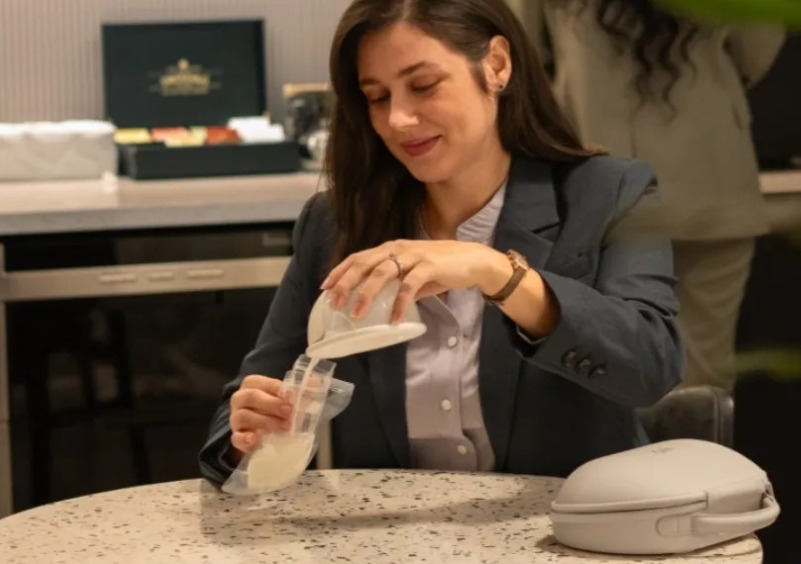
Suction strength directly affects how effectively a breast pump expresses milk during pumping sessions. Suction settings let mums adjust pumping strength for comfort and milk flow. Regular use of strong yet comfortable suction improves milk expression and reduces nipple irritation. Flange size matters because poorly fitting flanges impair efficiency and cause discomfort. The eufy S1 Pro Wearable Heated Electric Breast Pump with Charging Case improves comfort with soft, skin-friendly silicone and multiple flange sizes ranging from 17 mm to 24 mm for a better fit. It also delivers up to 300 mmHg of safe, hospital-grade suction to maximise milk flow, while BPA-free, food-grade materials support safer daily pumping routines.
Portability, Noise Level, and Battery Life
Portability is important for mothers who pump regularly at work, while traveling, or outside the home. Lightweight breast pumps with compact designs are easier to carry, store, and use during busy daily schedules. Noise level also affects convenience because quieter pumps provide more privacy and comfort during pumping sessions in public or shared environments. Battery-powered and rechargeable breast pumps improve flexibility by allowing cordless operation without requiring direct electrical connections. Longer battery life supports multiple pumping sessions between charges and improves reliability during travel or work hours. Homeowners should compare size, battery performance, and operating noise carefully before buying. Portable and quiet breast pumps improve convenience while supporting more comfortable daily breastfeeding routines consistently.
How Can Mothers Choose the Best Breast Pump for Their Lifestyle?
Breast Pumps for Working Mothers and Frequent Travel
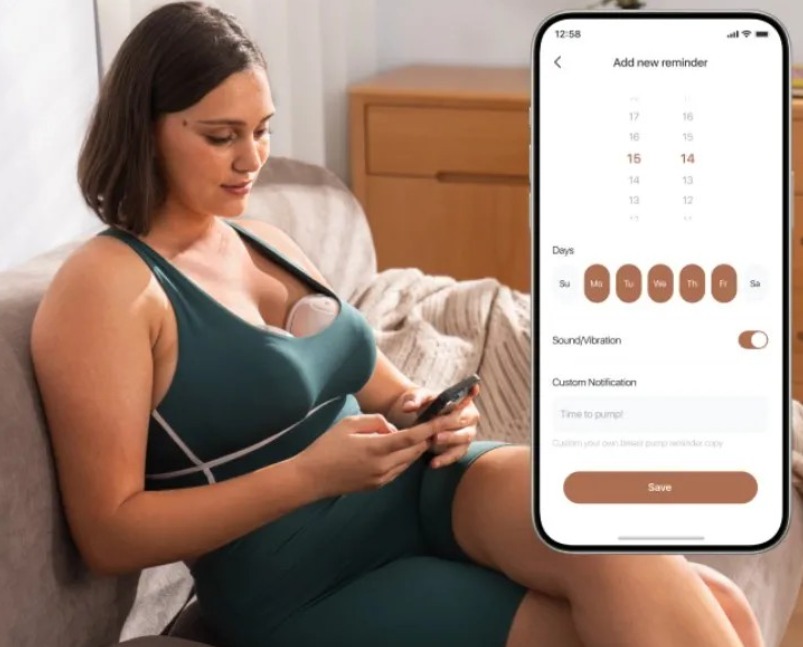
Busy working mums and travellers need breast pumps with flexible pumping schedules. Compact and lightweight devices are simpler to transport between home, work, and travel without adding weight to bags or baggage. Wearable and cordless breast pumps allow mums to pump discreetly while doing other things, improving mobility. Travel and demanding workdays are easier with long battery life and USB charging. Quiet operation promotes workplace and public privacy and reduces distractions. Working mums may better balance nursing requirements with professional commitments and busy schedules by using a portable and efficient breast pump.
Single vs. Double Breast Pumps for Daily Use
Single and double breast pumps have varying benefits based on frequency and duration. Single-sided breast pumps are good for infrequent or brief pumping sessions. Double breast pumps let mums pump milk from both breasts at once, saving time and improving efficiency. Women who pump often prefer twin pumps because they gather milk more quickly and help sustain milk supply. Double pumps are bigger and costlier than single ones. Comparison of pumping habits, scheduling demands, and convenience needs helps mums pick a breast pump that matches their nursing practice and lifestyle.
Cleaning, Storage, and Ease of Maintenance
Keeping breast pumps clean, safe, and effective throughout everyday usage requires regular maintenance. Breast pumps with fewer parts are simpler to clean and reassemble, saving mums time. Closed-system and dishwasher-safe components may save cleaning effort and increase hygiene. Many pumps connect directly to storage bags or bottles for simpler handling after pumping; milk storage compatibility is crucial. Mothers should compare valve, tube, and flange replacement part availability since they may need to be replaced periodically. Easy maintenance and storage make nursing safer, reduce everyday cleaning, and improve pump usage.
Conclusion
The correct breast pump helps women nurse comfortably, efficiently, and flexibly during childcare. Pumping is easier and more enjoyable with adjustable suction strength, mobility, quiet operation, and consistent battery performance. Before buying a device, mothers should investigate manual and electric types, single and double pumping systems, and cleaning needs. Work schedules, travel demands, and pumping frequency affect which breast pump gives the most long-term assistance. Understanding the most essential breast pump characteristics helps women pick reliable equipment that enhances comfort, promotes milk management, and makes daily nursing and pumping simpler.