
How Environmental Labs Choose Titration Systems for UK Water Testing
Water collected from a river or lake sometimes looks clear even after its chemistry has changed. UK environmental laboratories therefore work from measured values rather than appearance when comparing sites or sampling dates. A result is most useful when the method suits the parameter, the sample and the decision that follows.
Titration supports part of this work by measuring defined properties of water. It does not replace a wider monitoring programme, but it is used for alkalinity, hardness and chloride.
Why the laboratory starts with the parameter
Before choosing an instrument, the laboratory needs to define what it must measure. One programme focuses on alkalinity, while another needs hardness, chloride or an oxygen demand value. Each parameter calls for a suitable method, reagent, sensor and endpoint.
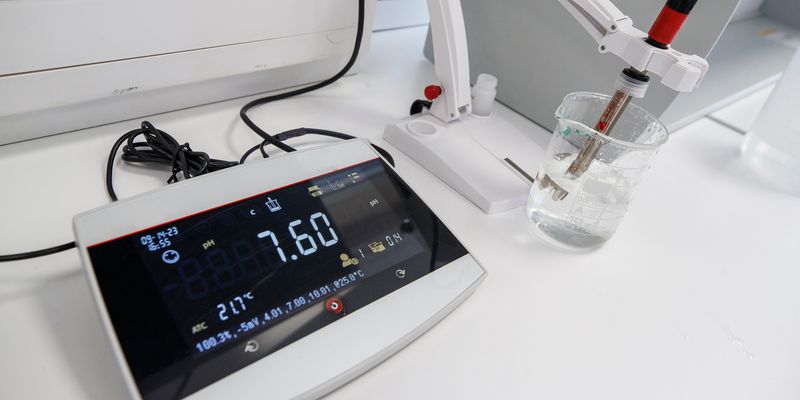
When routine water testing starts to strain the current workflow, the laboratory needs a titrator configuration that matches the approved method, daily workload and data handling requirements. Available options range from compact stand-alone instruments to fully automated systems. Automated models control titrant addition and endpoint detection, then calculate a result for review against the method requirements.
The samples already reaching the bench should shape that choice. Samples may contain different levels of suspended material, which can change the preparation required before analysis.
Which water measurements suit titration
Titration is used for several defined water parameters. Alkalinity indicates the water’s capacity to neutralise acid, while hardness relates mainly to dissolved calcium and magnesium. Potentiometric titration can be used to measure chloride when the method and sample are suitable.
Each measurement describes one part of the water chemistry rather than the overall condition of a river or lake. A result outside the expected range may prompt further investigation, but it does not identify the source of pollution by itself. Laboratory staff read it alongside the sampling point, recent weather, flow conditions and other analytical findings.
Nutrients, pesticides, trace metals and organic contaminants require methods chosen for those substances. Laboratories use separate techniques because each method covers a defined group of parameters.
Why sample condition affects the result
A sound method can still produce an unreliable result if the sample does not represent the water body or changes before analysis. Requirements for water sample storage vary by parameter and may cover the container, temperature and time before testing. Field teams therefore need the bottles and handling conditions specified for the planned analysis.
Once the sample reaches the laboratory, preparation depends on the method and the condition of the water. Staff might need to mix, filter or dilute it before analysis. Turbidity, suspended solids and colour can influence some measurements or make a visual endpoint harder to judge.
When a value looks unusual, staff may check the reagent, inspect the electrode and repeat the analysis with a fresh portion. These steps help them decide whether the result reflects the sample or a problem introduced during preparation or measurement.
When automation helps routine testing
Manual titration remains practical for occasional tests, method development and smaller workloads. The analyst adds reagent, follows the reaction and records the endpoint. That approach becomes harder to maintain when the same method must be repeated across many samples in one shift.
An automated system follows the programmed method for reagent addition and endpoint detection, then stores the result. Depending on the setup, staff continue to prepare some samples and review the data, but they spend less time overseeing repeated additions.
The first step is to identify where samples begin to wait. A larger system may offer limited benefit when sample preparation remains the main bottleneck or the laboratory rarely reaches the expected volume. Daily workload, staffing and the required turnaround time help determine whether the laboratory should remain with a stand-alone instrument or add automated sample handling during busy periods.
How accreditation shapes the choice
Assessment for laboratory accreditation to ISO/IEC 17025 examines whether a laboratory has the competence, methods, equipment and quality controls needed to produce valid results. It also covers equipment suitability and maintenance, staff competence, sampling and data quality assurance.
For titration work, the laboratory needs documented controls for reagent use, calibration, maintenance and result review. Software can support method control and record storage, but it does not replace validation or staff judgement.
The laboratory’s scope also affects the choice. A system used for one established test faces different demands from a platform built for several parameters, operators and future automation.
What managers should compare before buying
Managers should start with the samples and methods already on the schedule, then note the preparation time and the stages where work begins to queue. This gives them a firmer basis for choosing between a stand-alone instrument and a modular or automated setup.
The review should also cover sensor compatibility, dosing performance, cleaning requirements, software access and service arrangements. The laboratory should consider whether different operators can run the same methods consistently and how much routine maintenance the setup requires.
Future growth matters, but projected demand should not outweigh the work already on the bench. Looking beyond upfront costs also means considering service needs, maintenance and whether the extra capacity will be used. A system built for a much larger workload can add cost and complexity without solving the laboratory’s current bottleneck.
Where titration fits in the wider monitoring programme
The equipment decision should begin with the methods already in use and the samples reaching the bench. Daily volume, preparation work and accreditation requirements then show whether the laboratory needs a compact instrument, a modular setup or automated sample handling.
Titration still covers only part of a wider monitoring programme. A setup that fits the work gives staff a more consistent way to run routine measurements and decide which results need another look.