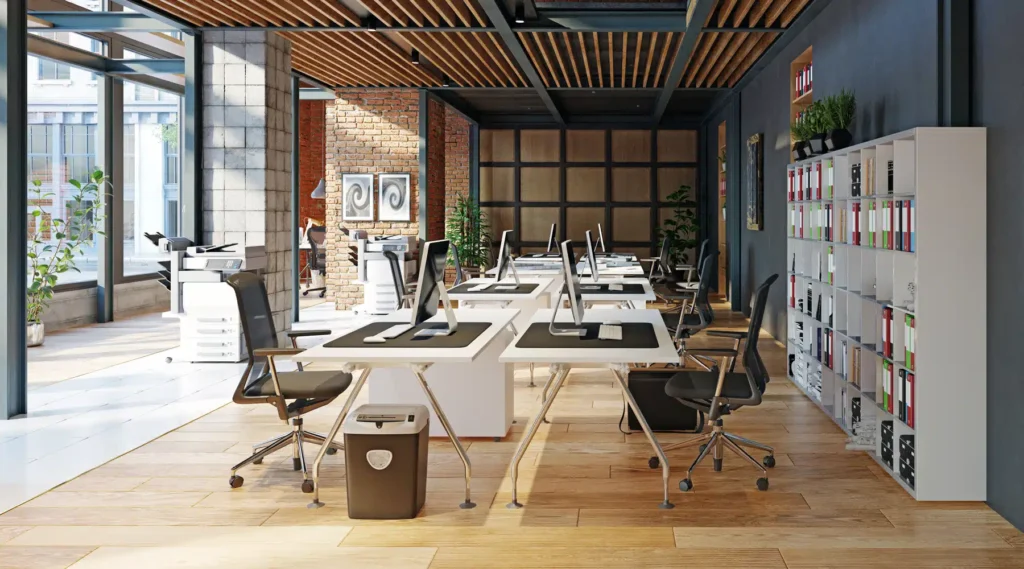

A well-designed office is more than just a place to work, it directly shapes how employees feel, perform, and collaborate throughout the day.
The modern workplace has evolved beyond rows of desks and neutral walls. Businesses now recognise that office fit out design plays a crucial role in employee productivity and wellbeing. From layout and lighting to furniture and acoustics, every detail influences how people focus, interact, and maintain energy levels during the workday. Companies investing in thoughtful design, such as solutions offered by Cornerstone Fit Out, are seeing measurable improvements in both performance and employee satisfaction. Understanding the key elements behind this impact helps businesses create spaces that support their teams rather than hinder them.
The Role of Layout in Focus and Collaboration
Office layout is one of the most important factors in shaping how employees work. A poorly planned space can lead to distractions, inefficiencies, and frustration, while a well-structured layout supports both concentration and teamwork.
Open plan offices were once seen as the ideal solution for collaboration, but many businesses have learned that too much openness can reduce focus. Noise, interruptions, and lack of privacy often make it difficult for employees to complete deep work. As a result, many companies are shifting towards hybrid layouts that balance open areas with quiet zones and private meeting spaces.
Designing for different work styles is key. Employees need access to spaces where they can collaborate freely, as well as areas where they can work without disruption. Breakout zones, meeting rooms, and designated quiet areas help create this balance. When employees can choose the environment that suits their task, productivity naturally improves.
Flow also matters. A logical arrangement of departments and shared spaces reduces unnecessary movement and saves time. When people can easily access what they need, whether it is a meeting room or a colleague, work becomes more efficient and less stressful.
Lighting and Environment Affect Energy and Mood
Lighting has a direct impact on both physical health and mental wellbeing. Poor lighting can lead to eye strain, fatigue, and reduced concentration, while well-designed lighting supports alertness and comfort.
Natural light is one of the most valuable elements in any office. Exposure to daylight helps regulate sleep patterns, boosts mood, and increases overall energy levels. Offices that maximise natural light often see higher levels of employee engagement and fewer complaints about fatigue.
Artificial lighting should complement natural light rather than replace it. Adjustable lighting systems allow employees to control brightness based on their needs, creating a more comfortable working environment. Warm lighting can create a relaxed atmosphere in breakout areas, while cooler lighting can enhance focus in work zones.
Temperature and air quality also play a significant role. Poor ventilation or inconsistent temperatures can make employees uncomfortable and distracted. A well-designed office considers these factors, ensuring consistent airflow and a comfortable climate throughout the space.
Furniture and Design Choices Support Physical Wellbeing
The physical setup of a workspace directly affects employee health. Ergonomic furniture is essential for preventing strain and long term injuries, especially for employees who spend long hours at their desks.
Adjustable chairs, sit stand desks, and properly positioned screens help maintain good posture and reduce the risk of discomfort. When employees feel physically supported, they are less likely to experience fatigue and more likely to stay focused throughout the day.
Beyond ergonomics, design elements such as colour, materials, and greenery also influence wellbeing. Neutral and calming colour palettes can reduce stress, while natural materials create a more inviting environment. Adding plants, often referred to as biophilic design, has been shown to improve air quality and boost mood.
Breakout areas and relaxation spaces are equally important. Providing comfortable spaces where employees can take short breaks helps prevent burnout and encourages mental reset. Even a brief change of environment can improve focus and creativity when employees return to their tasks.
A thoughtful office fit out brings all these elements together. By prioritising employee needs through design, businesses create workplaces that not only look good but actively support productivity and wellbeing.