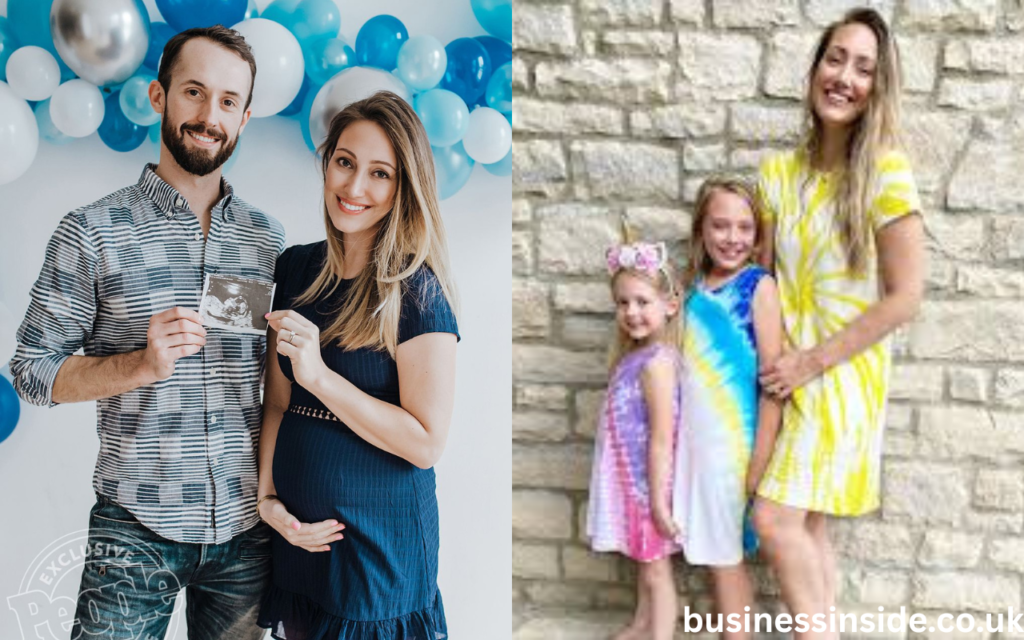

Myka Stauffer is an American family vlogger, social media personality, and former content creator whose life became widely discussed due to her online presence and controversial decisions. Born on June 2, 1987, Myka initially gained attention for her relatable parenting content and lifestyle vlogs. She shared everyday family moments, fashion tips, fitness routines, and reflections on motherhood, creating a warm, approachable persona that resonated with audiences worldwide.
Her content was centered around authenticity, often showing real struggles, family dynamics, and joyful experiences with her husband, James Stauffer, and their children. This approach helped her build a strong fan base on platforms like YouTube and Instagram, where thousands of followers engaged with her videos daily. Myka’s rise highlighted the growing influence of family vloggers and their ability to connect with audiences on a personal level.
However, Myka’s story is also a cautionary tale about the challenges of internet fame. While her early content celebrated family life, the decisions she made publicly, particularly around adoption, later drew criticism and sparked widespread debate. Her journey reflects the complexity of blending personal life with public storytelling in the age of social media.
The Rise of Myka Stauffer
Myka’s journey to social media success began with her family-centered vlogs, which offered viewers an intimate look at daily life with children. She launched her self-titled YouTube channel to share parenting tips, routines, and home activities. Her second channel, The Stauffer Life, focused on broader lifestyle content, featuring family adventures, holiday celebrations, and creative projects. Both channels gained popularity because of her engaging and relatable storytelling style.
She became known for her ability to combine entertainment with educational elements. From demonstrating parenting hacks to offering honest reflections on challenges, Myka’s content appealed to viewers seeking authenticity. By 2018, she had amassed hundreds of thousands of subscribers, making her one of the recognizable faces in the family vlogging community. Her presence extended to Instagram, where her posts about family life, fashion, and personal reflections also attracted significant attention.
The rise of Myka Stauffer also showcased how family vloggers could build a brand around their personal lives. Through collaborations, sponsorships, and social media engagement, she positioned herself as an influential figure in parenting and lifestyle spaces. However, her growing popularity also placed her under the public eye, where every personal decision became a potential subject for discussion or scrutiny.
Adoption of Huxley
In 2017, Myka and James adopted Huxley, a young boy from China with developmental challenges. The adoption initially drew positive attention from fans, as the couple documented the process and shared their experiences raising a child with special needs. Huxley became an integral part of their content, appearing in multiple videos that highlighted adoption stories, family bonding, and day-to-day parenting.
Many viewers connected with the family’s willingness to share both joyful and difficult moments. The videos showed challenges like therapy sessions, medical appointments, and the learning curves that came with special needs parenting. The Stauffers positioned Huxley’s story as inspiring, emphasizing love, patience, and adaptability in their household. At this stage, Myka’s content was widely praised for its openness and positive messaging.
The focus on Huxley also increased the family’s reach and influence. While their earlier videos attracted audiences interested in lifestyle content, the adoption videos drew attention from parents, adopters, and advocates for children with special needs. Huxley’s inclusion created a narrative that appeared heartfelt and authentic, which helped grow Myka’s subscriber base and solidify her status as a leading family vlogger.
Controversy and Rehoming
In 2020, Myka and James announced in a public video that Huxley had been “rehomed” with another family. They explained that Huxley’s needs exceeded their capacity to provide proper care and that a new home would better meet his requirements. The decision, though made privately for Huxley’s welfare, ignited massive backlash online, with many fans expressing shock, anger, and confusion.
Critics accused the Stauffers of exploiting Huxley for views and profit before abandoning him. Some viewers launched petitions and social media campaigns demanding the removal of monetized content featuring Huxley, arguing that his special needs made the situation ethically complex. Even mainstream media outlets covered the story, framing it as a rare and controversial case that highlighted the pressures and responsibilities of family vloggers.
Despite the backlash, the Stauffers maintained that their decision was made with Huxley’s best interests in mind. They emphasized that his new home could provide specialized care and a more supportive environment. Nevertheless, this incident became a defining moment in Myka’s career, overshadowing years of content creation and reshaping public perception of her and her family.
Career Impact and Social Media Fallout
The rehoming controversy had a lasting impact on Myka’s career. Both her YouTube channels were eventually deleted, removing most of the content that had defined her presence as a family influencer. Brand partnerships and sponsorship deals also ended, as companies sought to distance themselves from the negative attention. The Stauffers’ online image shifted from widely admired family vloggers to figures of intense scrutiny.
Myka’s Instagram, once a thriving hub for lifestyle and parenting content, also fell silent. Her last posts included apologies for the hurt caused by her decisions, reflecting on the complexity of her journey and acknowledging the difficulty of raising a child with special needs. Public commentary emphasized her human vulnerability but also highlighted the consequences of sharing highly personal family matters online.
While James pivoted to content related to automotive projects through his channel Stauffer Garage, Myka largely remained absent from social media. Her withdrawal demonstrated the pressures of public life, particularly when personal decisions become highly publicized. For many observers, her experience became a cautionary tale about the potential costs of internet fame.
Public Reactions and Media Coverage
The public reaction to Myka Stauffer was immediate and polarized. On one hand, some viewers empathized with the difficult choice to ensure Huxley’s well-being. On the other hand, many critics framed the rehoming as unethical and exploitative, sparking heated debates across YouTube, Instagram, and Twitter. Social media became the primary platform for commentary, generating millions of impressions and keeping the story in public discourse.
Mainstream media also highlighted the situation, covering not just the personal decision but also the broader implications for family vloggers. Articles discussed the ethics of featuring children in monetized content, the responsibilities of parents as public figures, and the influence of social media audiences on personal decisions. Some journalists analyzed the role of the YouTube algorithm in shaping content and incentivizing creators to share personal family stories for views.
The media coverage cemented Myka Stauffer’s story as one of the most discussed cases in family vlogging history. Even years after the controversy, her name continues to surface in conversations about digital parenting, content ethics, and the boundaries of online storytelling.
Legacy and Lessons
Myka Stauffer’s story is often cited as both a cautionary tale and a learning opportunity for aspiring creators. It highlights the responsibility that comes with sharing personal family content and underscores the ethical challenges of featuring vulnerable individuals online. Her experience emphasizes that public engagement, while rewarding, comes with significant scrutiny and moral responsibility.
Her legacy also includes discussions on adoption and special needs care. Families, content creators, and audiences are prompted to consider the realities behind curated social media images. Myka’s journey encourages honest reflection about parental readiness, resource limitations, and the importance of prioritizing children’s needs over digital fame.
Finally, Myka’s experience demonstrates that fame and influence do not insulate individuals from criticism. Her story reminds creators that authenticity, empathy, and ethical consideration are essential when navigating online platforms, and that difficult personal decisions can have wide-reaching consequences in the digital age.
Read More: Callum Hole: The Journey of Love Island’s Charismatic Star