
In the fast-paced world of digital marketing and corporate communications, Artificial Intelligence has become an indispensable asset. From drafting press releases to generating daily blog posts, tools like ChatGPT and Claude have drastically reduced content creation time. However, as AI adoption scales across UK businesses and global markets, a new challenge has emerged: the “robotic tone” dilemma.
While AI is incredibly efficient at processing data and structuring information, it often lacks the nuanced empathy, varied sentence structure, and brand-specific voice that human writers naturally possess. For businesses relying heavily on AI, this lack of authenticity can lead to a disconnect with their audience and, more critically, penalisation by search engine algorithms.
The Rise of AI Detection in Business
Today’s consumers and search engines are highly sophisticated. Google’s recent helpful content updates have made it clear that content created solely for search engines—often churned out by AI—will not rank well if it lacks genuine human value.
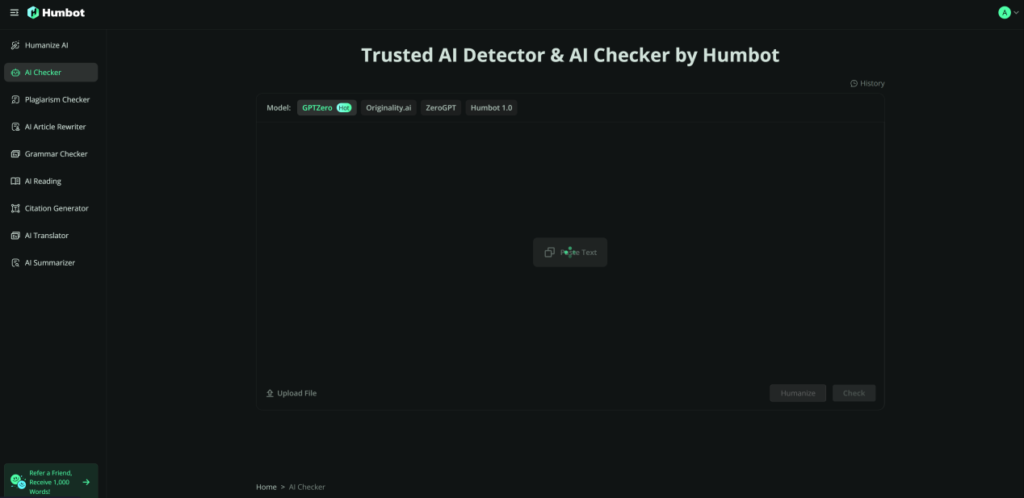
Furthermore, many B2B clients, academic institutions, and digital publishers are actively scanning submissions to ensure originality. It is now common practice for editors and marketers to run content through a free AI checker before publishing. If a company’s marketing material consistently flags as 100% machine-generated, it can severely damage brand credibility and trust.
The goal for modern enterprises is no longer just to generate content quickly, but to generate content that feels remarkably human, regardless of how it was initially drafted.
Bridging the Gap: The Role of AI Humanizers
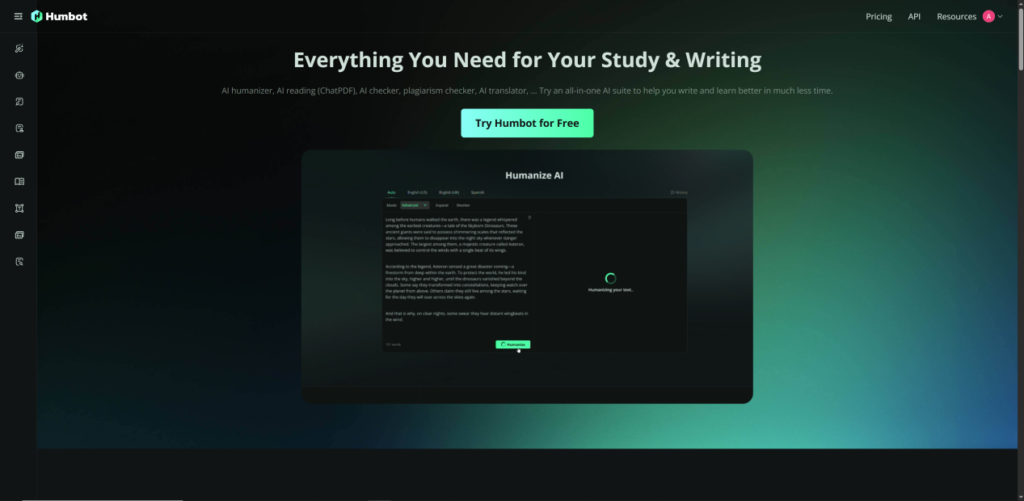
To solve this problem, a new category of technology has emerged: the AI text humanizer. These advanced platforms do not simply spin words or swap synonyms; they fundamentally restructure the syntax and phrasing of machine-generated text to mimic natural human speech patterns.
For marketing agencies and content teams looking for the best AI humanizer on the market, the focus should be on tools that guarantee a seamless bypass of strict AI detectors while maintaining the original intent and tone of the article.
Enter Humbot: Redefining Authentic AI Text
Among the leading solutions transforming corporate content strategies is Humbot. Designed specifically to bridge the gap between machine efficiency and human authenticity, Humbot takes standard AI-generated drafts and rewrites them into natural, flowing prose.
What sets Humbot apart is its advanced algorithmic understanding of readability. Instead of producing clunky or overly complex sentences—a common flaw in early text spinners—it ensures the final output is engaging, professional, and entirely undetectable by industry-standard scanning tools.
For a digital marketing team, incorporating this tool into their workflow means they can continue to leverage AI for rapid drafting and ideation, without sacrificing the quality and emotional connection required to convert readers into loyal customers.
The Bottom Line
AI is here to stay, and its role in business operations will only expand. However, the companies that will truly stand out in the crowded digital landscape are those that understand the importance of the human touch. By implementing a strategic workflow—drafting with AI, checking for robotic patterns, and refining the text with tools like Humbot—businesses can achieve the perfect balance of scalable productivity and authentic communication.
In 2026 and beyond, it’s not about how fast you can create content, but how well you can make your audience feel heard and understood.
How to Use Humbot Without Losing Your Academic Soul
Instead of letting the machine do 100% of the work, the most successful students are adopting a hybrid approach:
1.Drafting: Use AI to build the skeleton and research the points.
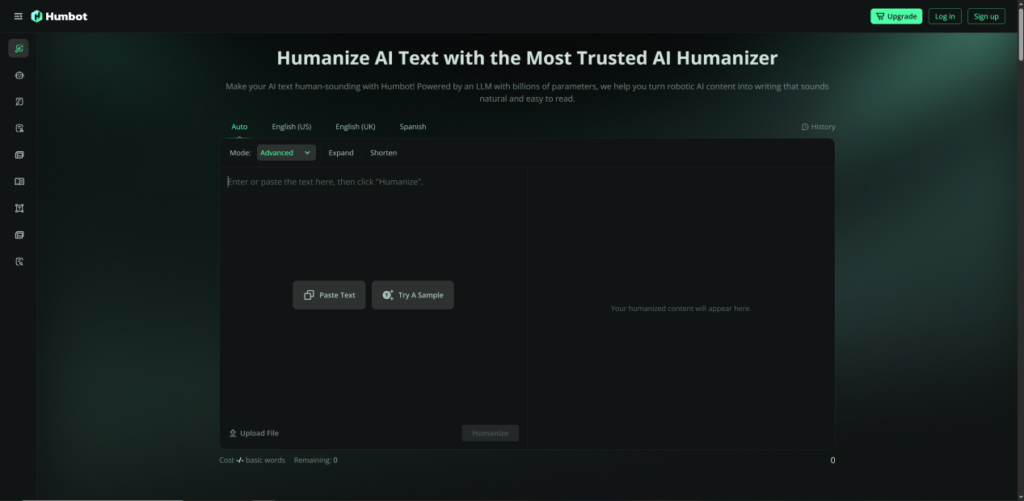
2.Refinement: Use Humbot to humanize AI drafts, ensuring the writing feels organic and personal.
3.Verification: Pass the final version through an AI checker yourself to ensure total peace of mind before submission.