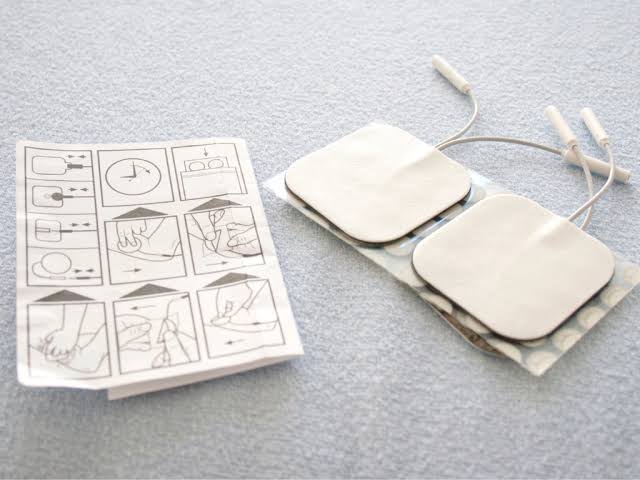

In the world of medical devices, ensuring patient safety and compliance with regulations is paramount. One critical component of this is ifu printing, which stands for Instructions for Use. This article will provide you with a comprehensive overview of IFU printing, its significance, and the regulatory requirements surrounding it specifically in the medical device sector.
Whether you’re a manufacturer, a regulatory professional, or anyone involved in the medical device industry, understanding the intricacies of IFU printing is essential. By the end of this guide, you’ll know why IFU printing not only plays a crucial role in conveying necessary information but also influences regulatory compliance and ultimately patient safety.
What is IFU Printing?
IFU printing involves creating detailed documentation that provides instructions on how to safely and effectively use a medical device. This documentation is usually found in product packaging, user manuals, or even online formats like PDFs or web pages. The information included in an IFU may cover:
- Device specifications
- Intended use
- Contraindications
- Warnings and precautions
- Instructions for operation
- Maintenance guidelines
- Disposal methods
The clarity and accuracy of an IFU are vital in ensuring that users can operate the device properly without risking harm to themselves or others. When manufacturers develop these instructions, they must engage in thorough research and development to ensure that the complexities of each device are captured in a user-friendly manner.
Importance of IFU Printing in Medical Devices
Enhancing Patient Safety
One of the primary purposes of IFU printing is to enhance patient safety. Properly written and formatted IFUs help:
- Reduce the risks of misuse
- Minimize adverse events
- Ensure correct device usage
Clear instructions empower healthcare professionals and patients alike to handle medical devices safely, thereby reducing the likelihood of injuries or complications. For instance, a surgical device with poorly written IFUs could lead to improper use, potentially resulting in detrimental outcomes for patients. On the contrary, a well-crafted IFU with explicit instructions can play a significant role in enhancing the overall safety of medical procedures.
Regulatory Compliance
In the United States, the Food and Drug Administration (FDA) has established stringent regulations regarding medical device labeling, including IFUs. Compliance with these regulations is non-negotiable for manufacturers in order to market their products.
Key regulatory aspects include:
- Content Requirements: IFUs must include essential information that meets FDA guidelines, such as instructions for safe use and a detailed description of the device.
- FDA Submission: Before marketing, manufacturers must often submit their IFUs as part of the premarket submission process, ensuring that these documents align with the established safety and efficacy standards.
- Periodic Updates: When there are changes in the device’s safety profile or usage instructions, the IFU must be updated accordingly to reflect this new information, ensuring that users have access to the most current data.
Not adhering to these requirements can result in sanctions, product recalls, or legal issues. Over time, regulatory compliance has become a crucial aspect of the medical device market, which demands that companies rigorously maintain their documentation processes.
Legal Liability
Improperly constructed IFUs can expose manufacturers to legal liabilities. If a device’s instructions are unclear or incorrect and result in injury, the manufacturer may face lawsuits. Adhering to regulatory guidelines during ifu printing can serve as a protective measure against potential legal actions. Legal cases can sometimes lead to significant financial losses and damage to a company’s reputation. Thus, it’s imperative that all manufacturers understand the potential legal ramifications of inadequate or flawed IFUs.
Key Components of Effective IFU Printing
To ensure that your IFUs are effective, consider the following key components:
Clarity and Consistency
- Language: Use simple, straightforward language. Avoid medical jargon unless it’s necessary, and always define any technical terms you do use.
- Formatting: Ensure a consistent layout and tone throughout the document to avoid confusion.
Visual Aids
Incorporating diagrams, illustrations, or icons can enhance comprehension. These visuals can be particularly helpful for complex devices, with the aim to aid understanding across various user backgrounds. For complex machinery, flowcharts can be particularly useful for operating instructions, while use of icons can quickly convey warning messages.
Accessibility
Ensure that the IFU is accessible to all intended users, including those with disabilities. Offering the document in multiple languages or formats may also expand accessibility. For instance, providing braille options or audio versions of the IFU can significantly expand usability.
Process of IFU Printing
Step 1: Development
- Research: Understand the device’s function, design features, and potential risks involved in its usage.
- Collaboration: Work with healthcare professionals, product designers, and engineers to capture the necessary information accurately.
Step 2: Drafting
- Create clear instructions that follow existing regulatory guidelines.
- Include all essential disclaimers and warnings, and ensure that every piece of information is backed by evidence or expert opinion.
Step 3: Review
- Conduct internal reviews with multiple stakeholders to gather feedback.
- Consider using a third-party compliance expert for independent assessment to ensure adherence to all necessary standards.
Step 4: Printing
- Choose quality materials for the IFU that can withstand various storage and handling conditions.
- Ensure that the print quality is high enough to maintain the legibility of all text and visuals, with special attention paid to font size and contrast.
Step 5: Distribution
Include IFUs with product shipments and consider providing digital versions online for easy access. Utilizing QR codes on product packaging can direct users to a digital IFU that may include supplementary materials or updates.
Challenges in IFU Printing
Despite its importance, manufacturers face several challenges in IFU printing:
- Complex Regulations: Navigating the FDA’s intricate guidelines can be overwhelming, requiring manufacturers to keep abreast of any regulatory changes.
- User Diversity: Different user groups may require different types of instructions based on their knowledge and experience levels. Catering to these diverse audiences necessitates careful crafting of messaging.
- Content Updates: Keeping IFUs current as products evolve can be resource-intensive. This often requires ongoing collaboration and communication across teams.
Best Practices for Ensuring Effective IFU Printing
Regular Training
Ensure that your team is up to date on the latest regulatory requirements and best practices in IFU printing. Hosting annual training sessions, attending workshops, or subscribing to industry updates can help keep everyone informed.
Feedback Loop
Create a mechanism for healthcare professionals and end-users to provide feedback on the usability of IFUs. This feedback can inform future changes and adjustments in real-time, ensuring that your IFUs remain both relevant and effective.
Supplementary Materials
Consider including QR codes or online links where users can find additional resources, such as videos or interactive manuals. This can enhance user engagement and provide users with a more comprehensive understanding of how to use the device effectively.
Frequently Asked Questions
What is an IFU in medical devices?
An IFU, or Instructions for Use, is a document that provides essential information on the safe and effective use of a medical device.
Why is IFU printing crucial for patient safety?
IFU printing is crucial for patient safety as it provides detailed instructions that help minimize misuse and potential harm.
What are the main regulatory bodies overseeing IFU requirements?
In the U.S., the FDA is the primary regulatory body that oversees labeling and manufacturing standards for medical devices, including IFUs.
How often should IFUs be updated?
IFUs should be updated whenever there are significant changes in the device’s safety information, functionality, or usage instructions.
Can manufacturers use digital formats for IFUs?
Yes, manufacturers can provide IFUs in digital formats, but they must ensure that accessible print versions are also available.
What happens if a manufacturer fails to comply with IFU requirements?
Non-compliance can result in regulatory penalties, product recalls, and increased legal liability for the manufacturer.
Conclusion
In summary, ifu printing is a critical element in the medical device industry that ensures safe usage, regulatory compliance, and minimizes legal risks. By investing in effective and clear IFU printing, manufacturers can significantly contribute to patient safety and improve overall healthcare outcomes. As regulations evolve, staying informed and proactive in your IFU practices will enhance your compliance and protect your patients. If you’re ready to elevate your IFU printing process, consider leveraging expert services that specialize in this essential aspect of your medical devices’ lifecycle.