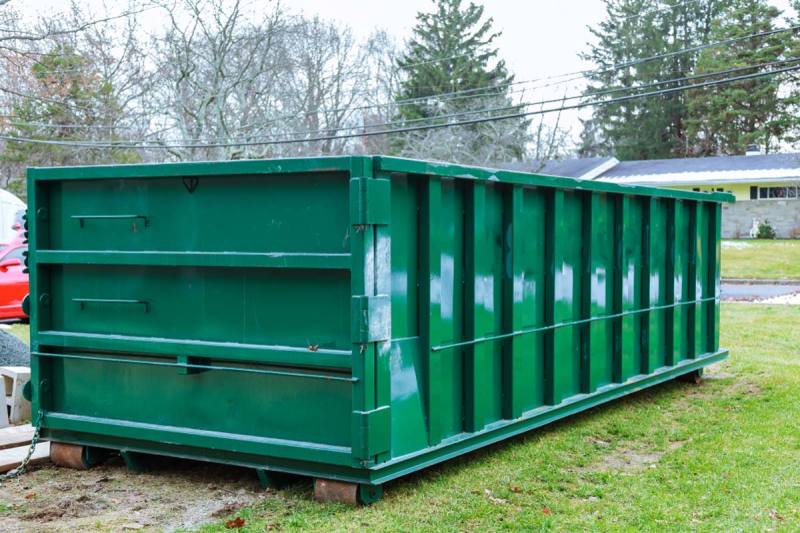

Pricing for local waste containers can feel opaque to many property owners, contractors, and event planners. Costs vary widely because of the number of factors that influence the final invoice: container size, weight limits, landfill or disposal fees, permit requirements, rental duration, and regional competition. A clear picture of how these pieces fit together helps you compare providers, avoid surprises, and choose the most cost-effective option for your project.
What drives the base rental rate
The quoted rental rate typically covers delivery, pickup, and a short rental window. Container size is the most visible variable; a small roll-off or drop-off bin will cost less than a large roll-off container because it occupies less truck space and accepts less material. Distance from the provider’s yard to the job site also affects the base price, since fuel and driver time are included. Local labor rates and fuel costs create regional differences that make the same container size more expensive in some areas than others. When shopping around, many people begin their search with a quick web query like dumpster rental prices near me to find local providers and estimate baseline costs before requesting tailored quotes.
Weight limits, tonnage fees, and waste type
Beyond the base rental, weight limits and tonnage fees represent a major cost element. Most rentals include a weight allowance; once you exceed that threshold, the company charges per ton for the excess. Construction debris, sod, and construction materials weigh more than household trash, so a seemingly modest job can push you over the included allowance. Different waste types carry different surcharge rules. Hazardous materials, electronics, tires, and certain appliances often come with special handling fees or may be prohibited entirely. Recycling or separating materials like wood, metal, and cardboard can reduce tipping fees because some facilities offer lower disposal rates for recyclable streams.
Permit and placement considerations
Urban and suburban projects sometimes require street or curb permits if the container blocks a sidewalk, driveway, or parking lane. Permit costs vary by municipality and may require advance application, proof of insurance, or temporary signage. Improper placement can result in fines or additional fees from the rental company if they need to move the container after delivery. Some renters underestimate the logistics: driveways with limited access, steep grades, or overhead obstructions like wires and low branches may necessitate special equipment or an alternative location, both of which can increase charges. Clear communication with the rental company about access will save time and money.
Rental duration and timing
Standard rental periods are often one week, but providers may offer daily, weekly, or monthly rates depending on needs. Extending a rental past the agreed period usually incurs daily or weekly extension fees. Seasonal demand plays a role: spring cleanups, home renovation season, and municipal bulk pickup windows often drive up prices because providers have more requests. Scheduling your rental during off-peak times can sometimes secure better rates or more flexible terms. When planning long projects, ask about discounts for extended rentals or tiered pricing that lowers the per-day cost over time.
Fees that often catch customers off guard
Beyond weight and permit fees, there are other charges to watch for. Delivery and pickup surcharges may apply when a location is remote or when drivers must navigate difficult conditions. Contamination fees can occur if prohibited items are mixed with regular debris, because sorting at the disposal facility increases costs. Administrative fees, fuel surcharges, and environmental recovery fees are sometimes added to the invoice; these line items are legal, but they should be explained at the time of booking. Reputable companies provide transparent, itemized estimates so you know what each charge represents before signing an agreement.
How to compare quotes effectively
Comparing providers requires more than looking at the bottom-line number. Ask for a written estimate that lists container size, included weight, disposal fees, and any potential surcharges. Clarify whether the price includes delivery and pickup, and whether you are responsible for obtaining permits. If a quote seems significantly lower than competitors, confirm the weight allowance and prohibited items list; a low initial price may hide steep overage charges. Check reviews and ask for references regarding on-time delivery and accuracy of final billing. A small difference in piecewise fees can become substantial on larger jobs, so pay attention to the full cost structure.
Ways to reduce overall costs
Understanding what you can control is the best route to savings. Separate recyclables and salvable materials before loading the container; many facilities lower fees for clean recyclable loads. Rent the appropriately sized container rather than defaulting to the largest option; an oversized bin increases the base rate and may tempt you to fill it with heavier materials. Schedule deliveries to avoid time-sensitive surcharges and stack related projects to maximize a single rental period. For contractors or frequent users, establishing a relationship with a local provider can lead to preferred rates or bundled service discounts.
Choosing a transparent, reliable provider
Transparent pricing and good communication separate reputable operators from those likely to surprise you with added fees. Ask prospective providers to walk through a sample invoice and explain weight tickets, tipping fees, and potential surcharges. Verify that the company carries appropriate insurance and that their vehicles and drivers have the necessary credentials for municipal permits. When in doubt, request a detailed contract that specifies all costs and the process for addressing disputed charges. Clear expectations from the outset protect both parties and lead to smoother project completion.
Local waste container pricing involves multiple interacting variables, but armed with knowledge about what drives costs and how fees are applied, you can make informed choices. Prioritize clarity in written estimates, confirm weight allowances and prohibited items, and plan logistics proactively to avoid extra charges. A little preparation and the right questions save money and reduce stress during any project that requires a temporary waste container.