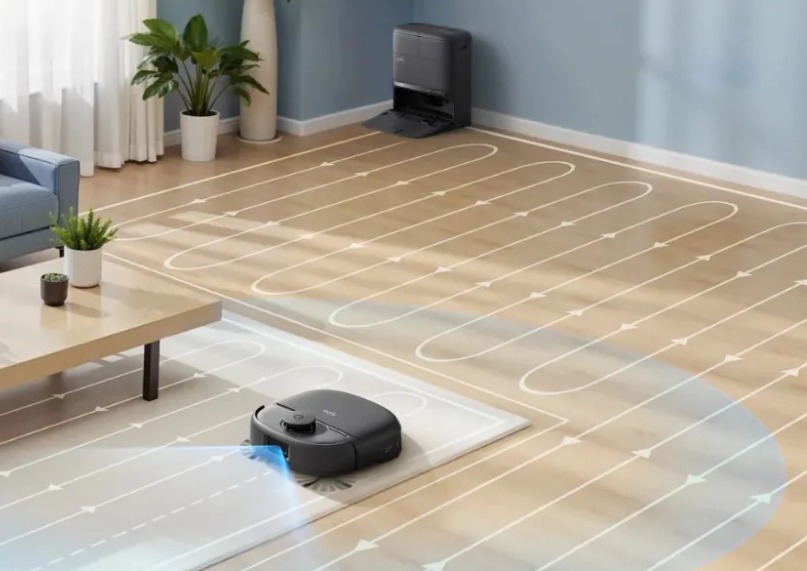

Robot vacuums simplify floor cleaning for households. Automated cleaning systems, smart sensors, and app controls remove dust, pet hair, and debris from various floors. Advanced mapping, obstacle recognition, and self-charging make cleaning easier in many versions. Models differ in cleaning, navigation, and maintenance, so buyers should compare characteristics. Understanding the most significant robot vacuum characteristics helps homeowners pick a device that suits their room size, flooring materials, and cleaning habits, enhancing convenience and saving time spent on normal floor cleaning.
What Are the Most Important Features in a Robot Vacuum?
Suction Power and Cleaning Performance
Suction power directly affects how well a robot vacuum removes dust, dirt, crumbs, and pet hair from floors and carpets. Strong suction enhances deep cleaning effectiveness, particularly in thick carpets and high-traffic areas. Many robot vacuums automatically alter suction settings when switching between hard surfaces and carpets, increasing efficiency and battery life. Brush type also has an impact on cleaning quality, since side brushes and roller brushes assist in gathering material from corners and edges. Some versions include specialised brushes for pet hair or anti-tangle devices for longer hair. Strong cleaning performance enables homeowners to keep cleaner floors with fewer manual touch-ups and more consistent daily cleaning outcomes across the house.
Smart Navigation and Mapping Technology
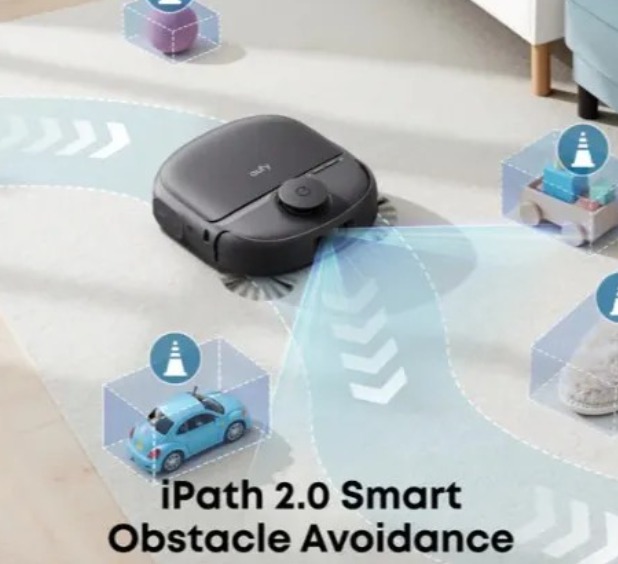
Smart navigation technology allows robot vacuums to navigate around rooms more effectively, without skipping big sections or continually cleaning the same areas. Advanced versions utilise cameras, lasers, or LiDAR sensors to generate comprehensive house maps, allowing for more structured cleaning paths. Users may define virtual borders, pick individual rooms, and tailor cleaning schedules using mobile applications that have accurate mapping capabilities. Smart navigation also increases cleaning effectiveness in low-light areas or below furniture. For example, the eufy Omni C28 Robot Vacuum has iPath 2.0 navigation technology, which recognises and avoids obstacles for more effective, continuous cleaning even in low-light conditions.
Battery Life and Automatic Recharge Features
The battery life dictates how long a robot vacuum can clean before returning to its recharge station. Larger houses often need longer battery life to accomplish entire cleaning cycles without interruption. When the battery runs low, many current robot vacuums automatically return to the charging station and begin cleaning after being recharged. This function enhances convenience and allows for more consistent cleaning outcomes in greater areas. Battery efficiency has an impact on cleaning performance since better power management systems assist in maintaining steady suction throughout operation. Homeowners should compare battery runtime carefully since cleaning time varies depending on model, floor type, and suction settings utilised during daily cleaning duties.
Which Smart Features Make Robot Vacuums Easier to Use?
App Control, Voice Assistants, and Scheduling Options
Smartphone applications let homeowners manage robot vacuum settings and daily cleaning. Cleaning sessions may be started, stopped, scheduled, or customised from cellphones, even away from home. Hands-free operation is possible with several robot vacuums that support Amazon Alexa or Google Assistant. Users may schedule cleaning to keep floors clean with minimal effort. Cleaning history, battery status updates, and maintenance reminders are convenient features of some apps. Smart controls provide homeowners with additional flexibility, automation, and administration of regular cleaning operations throughout the house, improving usability.
Obstacle Avoidance and Multi-Surface Detection
Obstacle avoidance technology allows robot vacuums to navigate past furniture, toys, wires, and other home items without becoming trapped. Advanced sensors and cameras increase navigation accuracy and minimise disruptions during cleaning operations. Some robot vacuums can automatically detect and avoid tiny obstructions, making them more dependable in busy houses with children or pets. Multi-surface sensing further increases cleaning efficiency by allowing the vacuum to adapt suction strength and brush settings depending on floor type. This function protects fragile surfaces and improves carpet cleaning performance. Better obstacle management and floor identification enable robot vacuums to clean more efficiently while requiring fewer human adjustments or user interaction.
Self-Emptying Bins and Maintenance Alerts
Automated trash emptying at the charging station transfers material into a bigger storage container, reducing dustbin cleaning. This convenience feature lets robot vacuums run longer with minimal maintenance. Many smart models provide mobile app maintenance warnings to clean brushes, change filters, and empty storage bins. Regular maintenance maintains suction and cleaning power. Some systems monitor component wear for long-term dependability. Automated maintenance features increase cleanliness, decrease manual effort, and help homeowners keep robot vacuums running all day effectively.
How Do You Choose the Right Robot Vacuum for Your Home?
The best robot vacuum relies on the floor type, room size, household activities, and personal cleaning preferences. Homes with pets often benefit from increased suction and anti-tangle brush systems built specifically for pet hair removal. Larger residences may need longer battery life and more complex mapping technologies for optimal coverage. Buyers should also examine if they need app controls, voice assistant assistance, or self-emptying capabilities for increased convenience. Carpeted houses may need greater suction power, whilst hard floor cleaning may prioritise navigation precision and silent operation. Comparing cleaning performance, maintenance requirements, and smart features allows homeowners to choose a robot vacuum that meets their daily cleaning demands efficiently.
Conclusion
Robot vacuums provide a practical solution to keep floors cleaned while spending less time on home cleaning activities. Strong suction power, smart navigation, extended battery life, and automatic charging enhance cleaning performance and ease. Advanced technology, such as app control, obstacle avoidance, and self-emptying systems, simplifies and improves everyday operations. Before selecting a model, homeowners should carefully consider its floor compatibility, smart features, and maintenance needs. Understanding the most significant robot vacuum characteristics enables consumers to choose a dependable cleaning solution that promotes better home maintenance, more convenience, and more consistent cleaning performance throughout everyday family usage.