
Most daycare tours follow the same script. A friendly staff member walks you past bright walls, mentions how much the kids love story time, and hands you a brochure on the way out. None of that tells you whether the place is actually good.
Start With the Numbers, Not the Vibe
Ratios are the single clearest predictor of how much individual attention your child gets on an average day. For infants, four babies per caregiver is a reasonable ceiling in a well-run program. Toddlers generally run four to six per adult. Preschool-age classrooms often stretch to eight or ten.
Here’s the part most parents skip: ask whether those numbers hold during naps, outdoor play, and staff shift changes, not just during the mid-morning window when a tour usually happens. Ratios have a way of thinning out exactly when no one’s watching too closely.
Staff turnover matters just as much. A program where lead teachers have stuck around for years is telling you something. Ask directly, and don’t be shy about following up if the answer feels vague.
Watch More Than You’re Told
Marketing brochures describe a program the way its owner wants it described. A classroom in session tells you the truth.
A few things worth noticing during a real visit:
- Whether teachers get down to eye level with kids or talk over their heads
- Whether the room feels purposefully organized or just decorated
- How a teacher handles a meltdown, calmly and specifically, or with a generic “we’re okay” redirect
- Whether children look actively occupied or seem to be waiting around a lot
None of this shows up in a pamphlet. It only shows up when you’re standing there watching it happen.
Health and Safety Aren’t Optional Extras
This is the section where hesitation should be a red flag. Ask about illness policy, cleaning protocols between groups, and what happens if your child gets hurt during the day. A quality program answers these without stumbling, because they’ve answered them a hundred times before and have nothing to hide.
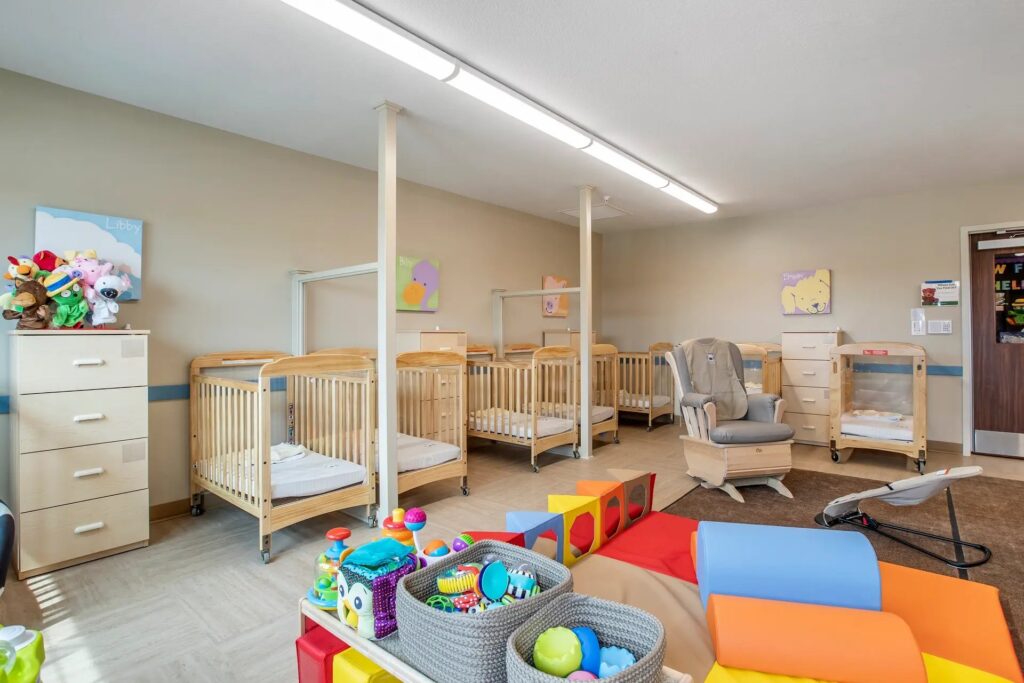
For infants specifically, confirm safe sleep practices are non-negotiable: back sleeping, firm surfaces, no loose bedding in the crib. If a provider hedges on this one, that’s worth taking seriously.
The Cost Conversation Worth Having Early
Tuition is rarely the whole story. Registration fees, supply fees, and late pickup charges can add hundreds of dollars a year on top of the sticker price. Ask for a full breakdown before you commit, not after your first invoice arrives with three line items you didn’t expect.
Some programs also charge differently depending on whether a spot is full-time or part-time, and the math doesn’t always scale the way you’d assume. Get it in writing.
Bringing It All Together
Choosing among daycares in urbandale options gets a lot less overwhelming once you’ve got a specific list of questions in hand rather than a general sense of “does this feel nice.” Write the questions down. Bring them to every tour. Compare notes the same day, while details are still fresh, because after the third visit everything starts to blur together.
The right program will answer everything above without flinching. That confidence is usually the clearest signal you’ll get.
One More Thing Worth Doing Before You Decide
Ask for a couple of current parent references, and actually call them. A program confident in what it delivers won’t hesitate to connect you. What you’ll hear on that call, the small complaints, the specific praise, tends to be more candid than anything said during a scheduled tour, where everyone involved knows they’re being evaluated.
Trust your read on the room too. Parents who’ve toured several programs often describe a moment where one place just felt right, before they could fully articulate why. That instinct is worth taking seriously alongside the concrete questions above, not instead of them.