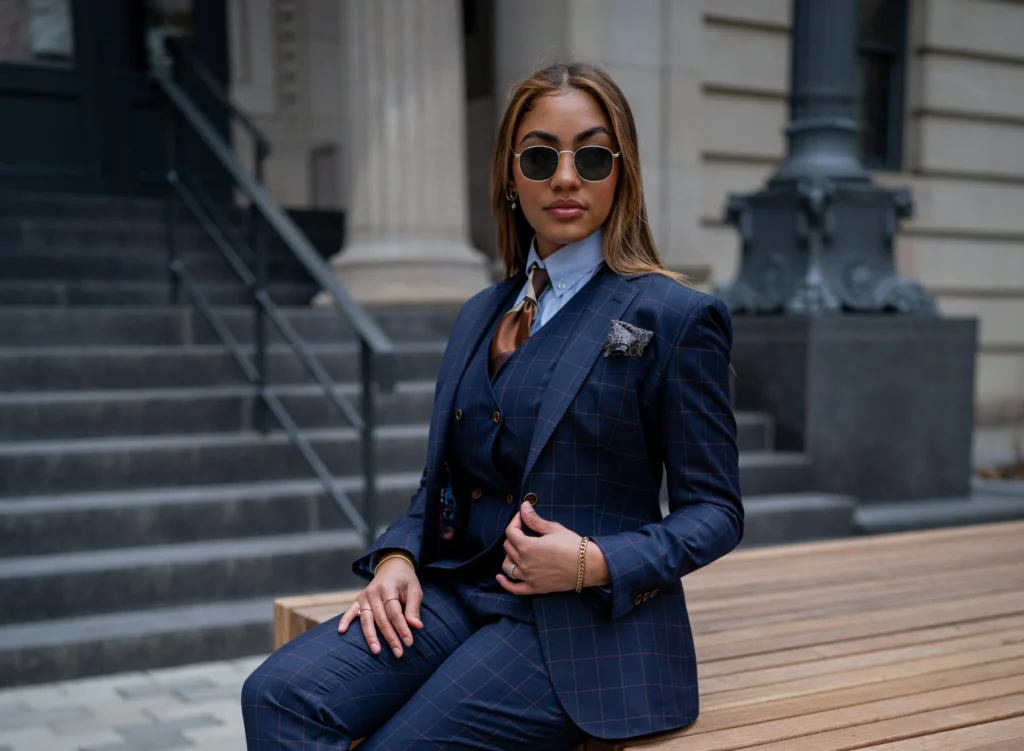

Workwear has changed a lot over the last few years, but tailored suits still have a clear place in a professional wardrobe. Offices may be more relaxed than they once were, but there are still times when structure, polish and confidence matter.
For interviews, client meetings, presentations, conferences and formal office settings, a well fitted suit can make getting dressed easier. It gives a clear, professional look without needing to build an outfit piece by piece.
The Role of Tailoring in Modern Workwear
A suit does not have to feel old fashioned or overly formal. Modern women’s tailoring can be sharp, comfortable and easy to wear across different work settings. The key is choosing a cut and fabric that suits the job, the company culture and the way the suit will be worn.
A blazer and trousers can look formal with a shirt and court shoes, but the same suit can feel more relaxed with a fine knit top, loafers or clean flats. This flexibility is one of the reasons womens tailored suits have stayed useful in business wardrobes.
Why Suits Work for Important Meetings
There are work moments where appearance still carries weight. A tailored suit can help create a sense of authority in boardrooms, interviews and client facing roles. It looks considered, but it does not need to be loud.
A structured blazer helps frame the outfit, while matching trousers create a clean line. This can be useful in situations where you want to look prepared, capable and professional without drawing attention for the wrong reasons.
Choosing the Right Suit for the Office
For most workplaces, navy, black, charcoal, grey and beige are the easiest colours to wear. They pair well with shirts, blouses, knitwear and simple accessories. These colours also make it easier to wear the jacket and trousers separately, which gives the suit more use across the week.
Fit is important. The blazer should sit neatly on the shoulders and fasten without pulling. Trousers should feel comfortable when sitting and standing. Slim leg, straight leg and wide leg trousers can all work for business wear, as long as the shape looks clean and feels practical.
Styling a Suit for Different Work Settings
For a formal office, wear a tailored suit with a shirt or blouse, simple shoes and minimal jewellery. This keeps the look sharp and reliable.
For a business casual setting, swap the shirt for a fine knit, plain top or soft blouse. Loafers, ankle boots or clean flats can make the suit feel less corporate while still looking professional.
For presentations or client meetings, keep the styling simple. Neutral colours, clean lines and well chosen accessories usually work better than bold patterns or heavy detailing.
Why a Suit Is Worth Having in Your Wardrobe
A good suit can take pressure out of dressing for work. It gives you a ready made outfit for days when you need to look more polished than usual. It can also be split up, with the blazer worn over dresses, trousers or skirts, and the trousers worn with shirts, knits or blouses.
This makes a tailored suit more useful than many people expect. It is not only for formal offices. It can work across interviews, meetings, events, business travel and after work dinners.
Conclusion
Women’s tailored suits remain relevant because they offer structure, confidence and flexibility. They help create a professional look without relying on trend led pieces, and they can be styled in different ways as work settings change.
For business wear, the best suit is one that fits well, feels comfortable and works with the rest of your wardrobe. When those details are right, a tailored suit becomes one of the most dependable pieces you can own.
READ ALSO: Romantic Bamboo Villa Getaway Crafted for Couples Seeking Bali Bliss