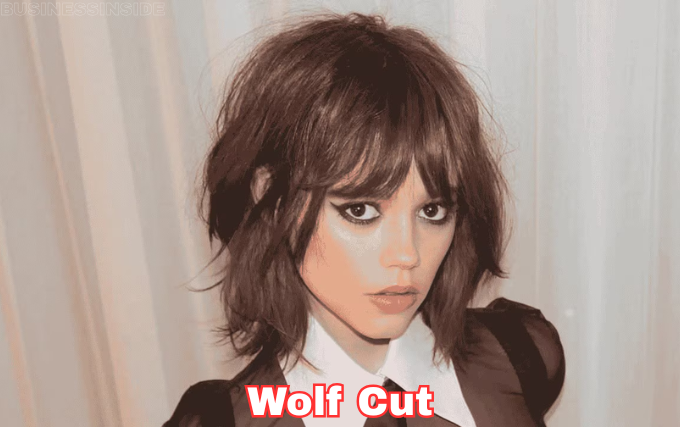

The wolf cut has become one of the most influential hairstyle trends of the decade, blending edgy, lived-in texture with a soft, wearable silhouette. Popular across social media platforms and embraced by hairstylists from high-end salons to creative studios, the wolf cut draws inspiration from the shag and mullet while introducing modern layers that enhance natural movement. Its rise is rooted in its versatility—equally flattering on straight, wavy, and curly hair—and its ability to deliver personality without requiring excessive styling. For individuals seeking a bold yet effortless look, the wolf cut continues to stand out as a defining style.
In today’s fashion-forward culture, clients are increasingly looking for customizable hairstyles that adapt to their lifestyle, hair density, and texture. The wolf cut answers this demand with adaptable layering, volume control, and seamless transitions between lengths. Its distinctive structure frames the face while adding striking dimension, making it a top choice for those who want something expressive but manageable. This expert-level guide dives into modern trends, maintenance strategies, and professional styling tips to help you fully understand why the wolf cut remains a star in contemporary hair styling.
Understanding the Modern Wolf Cut and Its Evolution
The wolf cut originated as a fusion of retro-inspired styles, drawing from the shag’s choppy layers and the mullet’s bold shape. What sets the modern wolf cut apart is its softer, more wearable structure that complements a mainstream audience while retaining an edgy flair. Stylists have refined the technique to create volume at the crown and tapered ends, achieving a balanced silhouette that works on various hair lengths. This evolution has allowed the wolf cut to become highly adaptable, making it suitable for both casual and high-fashion environments.
As fashion cycles continue to revisit vintage aesthetics, the wolf cut exemplifies how iconic styles can be modernized through precision layering and advanced cutting methods. Today’s version focuses on blendability, encouraging movement without creating harsh lines or excessive disconnection. The trend has grown due to its ability to flatter diverse face shapes while embracing natural hair behavior. With hairstylists integrating texturizing tools and personalized cutting patterns, the wolf cut has transformed from a niche choice to a globally recognized statement look.
Key Features That Define the Wolf Cut Styl
The wolf cut is instantly recognizable thanks to its distinctive layering pattern, which produces volume at the top and a gradual softening toward the ends. This contrast creates a dynamic silhouette that gives the hairstyle its signature wild yet polished appearance. The combination of short crown layers and longer lengths enhances dimension and encourages natural texture, making it ideal for individuals who enjoy a tousled, effortless aesthetic. The cut is designed to evolve gracefully as it grows out, preserving shape with minimal maintenance.
Another defining feature is its versatility across hair textures. On straight hair, the wolf cut’s adds much-needed movement and structure, preventing strands from appearing flat or heavy. On wavy or curly hair, it amplifies natural patterns while distributing bulk for improved manageability. Stylists often tailor the wolf cut with customized face-framing layers, adjusting their placement to soften facial features or highlight specific angles. This flexibility has made the wolf cut’s a reliable option for clients who want a modern style without sacrificing individuality.
Wolf Cut Variations for Different Hair Lengths
Short wolf cuts offer a bold, fashion-forward look that emphasizes volume and texture at the crown. These shorter variations lean closer to a modern mullet, creating impactful shape with minimal length. They are ideal for individuals with fine or straight hair who want more lift or those seeking a dramatic transformation. Short wolf cuts benefit from lightweight styling products that enhance separation without weighing down the look. When tailored correctly, they frame the face in a flattering, youthful way that requires little daily effort.
Medium and long wolf cuts provide more flexibility for those wanting a softer or more glamorous interpretation. Longer versions incorporate cascading layers that create fluidity and movement, making them suitable for wavy or curly textures that thrive on subtle structure. These lengths also allow for more variation in styling—from beachy waves to polished blowouts—ensuring the cut adapts to different moods and occasions. Longer wolf cuts are particularly effective for clients who want volume at the top without sacrificing the ability to wear their hair down or in stylized updos.
Suitability: Choosing the Right Wolf Cut for Your Face Shape
A well-executed wolf cut’s can enhance facial features by balancing proportions through strategic layering. For round face shapes, adding height at the crown and longer tapered layers helps elongate the face and create definition. The soft yet angular structure of the wolf cut’s offsets roundness, adding contour and visual lift. Individuals with oval faces have the most flexibility, as both short and long wolf cut’s variations complement their naturally balanced proportions. In these cases, the focus shifts to personal style preferences and texture considerations.
Heart and square face shapes benefit from wolf cuts that soften the jawline and accentuate cheekbones. Stylists may incorporate longer, feathered layers around the face to create a seamless transition that reduces angularity. For heart-shaped faces, maintaining some length below the chin provides weight and balance. For square faces, textured ends and curved layers help soften strong lines. Customization is key, as minor adjustments in layer placement can dramatically enhance overall harmony. A skilled stylist ensures the wolf cut aligns with both face shape and lifestyle needs.
How Hair Texture Influences the Final Wolf Cut Look
Straight hair paired with a wolf cut results in a sleek yet dimensional style that relies heavily on layering to create movement. Because straight hair naturally lies flat, stylists often incorporate deep texturizing techniques to avoid blunt edges and maintain shape. Styling products such as volumizing mousse or lightweight wax add separation and lift without making the hair appear greasy. Straight textures also showcase the layered architecture prominently, giving the wolf cut a sharper, more structured appearance.
Wavy and curly textures bring an entirely different character to the wolf cut. Waves enhance the natural body of the cut, adding a soft, romantic feel, while curls introduce volume and roundness that make the style feel fuller. For curlier textures, the wolf cut also helps distribute weight, preventing excessive bulk at the ends. Moisture-rich products and curl-defining creams are essential to maintain bounce and prevent frizz. When properly executed, the wolf cut harmonizes beautifully with natural patterns, creating a look that feels spontaneous and vibrant.
Expert Styling Tips for Maintaining Your Wolf Cut
Daily maintenance for a wolf cut focuses on enhancing texture and shape without overwhelming the hair with heavy products. Using a diffuser on low heat helps activate natural patterns, especially for wavy and curly textures. For straight hair, a round brush or texturizing spray can help maintain lift at the crown. Stylists recommend limiting heat damage to preserve the cut’s dynamic structure, ensuring that the layers stay defined and responsive. A soft, layered look depends on maintaining healthy hair and avoiding excessive buildup.
When styling, it’s important to emphasize separation and dimension. Lightweight pomades, salt sprays, and foams help create definition without compromising movement. For clients who prefer a more polished look, blow-dry techniques that lift the roots can provide a refined yet volumized result. Regular trims every six to eight weeks prevent the layers from becoming heavy or losing shape. To further enhance this versatility, incorporating clip in hair extensions can add instant volume and length, allowing you to customize the intensity of your layers for any occasion.
Modern Wolf Cut Trends Dominating 2025
In 2025, the wolf cut continues to evolve as clients embrace personalized variations that reflect their aesthetic. One emerging trend is the soft wolf cut, which features subtle transitions and fluid layers for a more natural, wearable look. This version prioritizes blendability and works exceptionally well on medium and long hair. It appeals to individuals who appreciate the wolf cut’s aesthetic but prefer a less dramatic contrast between lengths. The soft wolf cut pairs seamlessly with curtain bangs, adding dimension and enhancing face-framing movement.
On the opposite end, bold wolf cuts featuring heavy shag elements and exaggerated crown volume have gained popularity among trendsetters seeking a more rebellious vibe. These versions incorporate micro-layers, texturized bangs, and pronounced tapering toward the ends. Vibrant hair colors—such as copper, pastel pink, and midnight blue—often accompany these bolder cuts, emphasizing their expressive nature. This year’s trends show that the wolf cut remains adaptable, allowing wearers to embrace subtle sophistication or daring creativity depending on personal style.
Wolf Cut Maintenance, Growth Patterns, and Long-Term Care
The wolf cut grows out more gracefully than many layered styles due to its intentional structure. As the layers lengthen, the shape softens without becoming bulky. However, routine maintenance is still important to preserve its signature silhouette. Clients should schedule trims every six to ten weeks, depending on hair growth rate and desired sharpness. Proper hydration, especially for textured hair, prevents dryness and helps the layers fall naturally. A consistent care routine keeps the cut healthy and visually appealing.
Long-term care involves selecting products that support texture without weighing the hair down. Sulfate-free shampoos, moisturizing conditioners, and lightweight styling aids help maintain volume and definition. Deep conditioning treatments once or twice a month keep the hair resilient, especially if it undergoes color treatments. Understanding your hair’s behavior is key to optimizing the wolf cut’s longevity. With proper care, the hairstyle remains fresh, dynamic, and true to its original form even months after the initial cut.
Conclusion
The wolf cut has earned its place as one of the most influential hairstyles of the modern era, offering a perfect balance of texture, volume, and expressive movement. Its versatility across hair types, face shapes, and styling preferences has made it a go-to choice for individuals seeking a bold yet manageable look. Whether worn in a soft, blended variation or a high-contrast, edgy version, the wolf cut adapts seamlessly to contemporary fashion trends and personal aesthetics.
Understanding its structure, maintenance needs, and styling techniques allows anyone to make the most of this dynamic hairstyle. As trends continue to evolve, the wolf cut remains a standout option for those wanting a confident, fashion-forward statement. With the right approach, it delivers both individuality and timeless appeal—ensuring its continued relevance in the world of modern hair design.


