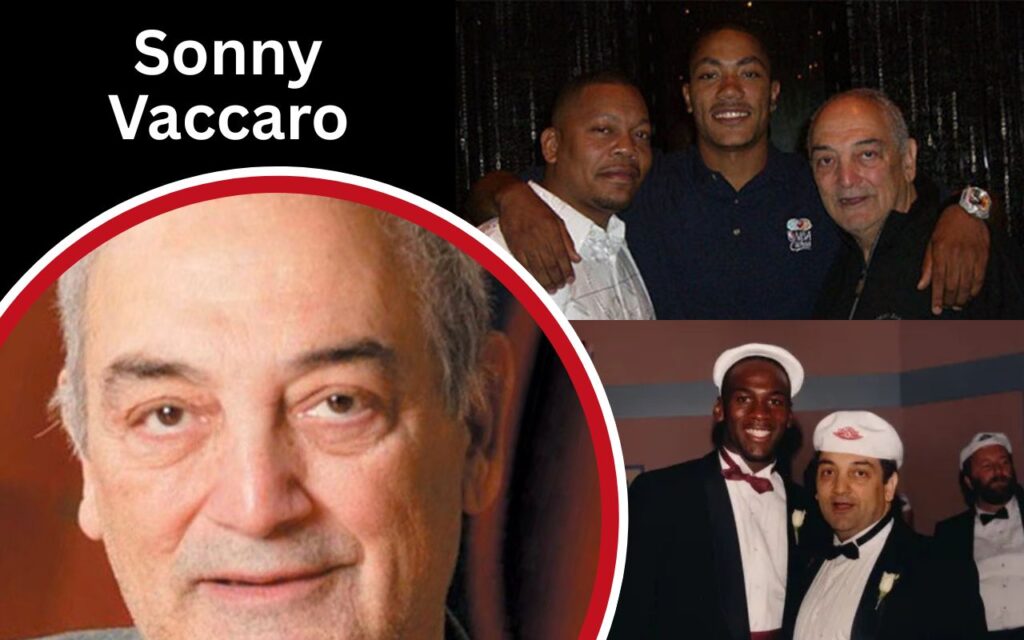

John Paul Vincent “Sonny” Vaccaro, born on September 23, 1939, in Trafford, Pennsylvania, emerged from humble beginnings to become one of the most influential figures in basketball and sports marketing history. Growing up in a blue-collar town, Vaccaro developed a passion for sports early in life, which led him to pursue basketball and physical education. After earning his degree from Youngstown State University in Ohio, he initially worked as a high school teacher and basketball coach. It was during these early years that Vaccaro honed his talent for spotting young players and organizing competitive events, laying the foundation for what would later become his groundbreaking impact on basketball culture.
Revolutionizing High School Basketball: The Dapper Dan Roundball Classic
Vaccaro’s first major contribution to basketball came through the creation of the Dapper Dan Roundball Classic, the first nationally marketed high school all-star basketball game in the United States. By partnering with local promoter Pat DiCesare, Vaccaro organized the Roundball Classic to bring together the top high school talent from across the country. This event not only gave young athletes national exposure but also transformed the way college scouts and recruiters discovered talent. Over the years, the game featured legendary players such as Shaquille O’Neal, Vince Carter, Kevin Garnett, Chris Webber, and Tracy McGrady. The Roundball Classic became a critical platform for shaping the careers of future NBA stars and demonstrated Vaccaro’s visionary approach to grassroots basketball.
Nike and the Birth of Basketball Sneaker Culture
The late 1970s marked a turning point in Sonny Vaccaro’s career when he joined Nike, a company then primarily known for running shoes. Recognizing the untapped potential in basketball, Vaccaro proposed a revolutionary approach: incentivizing high school and college coaches to equip their teams with Nike gear. This strategy effectively turned schools and coaches into brand ambassadors and helped Nike break into the competitive basketball market. Vaccaro’s work with Nike redefined sneaker marketing and set the stage for the rise of basketball-focused endorsements and athlete branding. His understanding of the culture of youth basketball allowed Nike to become a dominant force in the sports industry.
Signing Michael Jordan and the Air Jordan Phenomenon
One of Vaccaro’s most impactful achievements was convincing Nike to sign Michael Jordan in 1984, despite expectations that Jordan would join Adidas. Vaccaro recognized Jordan’s potential to transcend basketball and become a global icon. By structuring an innovative deal that aligned the interests of Nike and Jordan, Vaccaro helped launch the Air Jordan brand, which became a cultural phenomenon. The Air Jordan line redefined the sneaker industry, transforming athlete endorsements into a cornerstone of sports marketing and turning sneakers into a major segment of pop culture. Jordan’s success also solidified Vaccaro’s reputation as a visionary capable of identifying talent that could revolutionize the market.
The ABCD Camp: Cultivating Elite Basketball Talent
In 1984, Sonny Vaccaro founded the ABCD Camp (Academic Betterment and Career Development), which became the premier summer showcase for the nation’s top high school basketball players. The camp attracted elite talent including LeBron James, Kobe Bryant, Dwight Howard, and Carmelo Anthony, serving as a crucial pipeline for college recruiters and professional scouts. Sponsored by major brands like Nike, Adidas, and Reebok, ABCD Camp exemplified Vaccaro’s unique ability to combine marketing, athlete exposure, and brand partnerships. It also highlighted his ongoing influence on the development of basketball talent and the commercialization of youth sports.
Transition to Adidas and Reebok
After leaving Nike in 1991 due to disagreements with executives, Vaccaro brought his expertise to Adidas, where he signed future NBA stars such as Kobe Bryant and Tracy McGrady. At Adidas, he attempted to replicate his success with Nike by securing endorsements and cultivating young talent. However, conflicts with players’ personal choices, such as LeBron James ultimately returning to Nike, highlighted the challenges of navigating the evolving sports marketing landscape. Vaccaro later worked with Reebok, continuing to leverage his relationships and influence before stepping back from the sneaker industry in 2007. These moves demonstrated both his entrepreneurial vision and the competitive nature of sports marketing during this era.
Controversies and Ethical Questions in Sports Marketing
Sonny Vaccaro’s career, while groundbreaking, has been marked by controversy. Critics argue that his innovations accelerated the commercialization of youth and college basketball, placing undue emphasis on branding and endorsements over athletic development and education. His strategies sometimes blurred the line between amateurism and professionalism, raising ethical questions about the influence of corporate money on young athletes. Scandals involving recruiting incentives, coaching relationships, and shoe company influence underscored the complex and often contentious nature of the sports marketing industry that Vaccaro helped shape.
Advocacy for College Athlete Rights and NIL Movement
Later in his career, Sonny Vaccaro became an outspoken advocate for the rights of college athletes. He criticized the NCAA’s amateurism model, arguing that colleges, coaches, and brands profited from athletes while restricting their ability to earn income from their name, image, and likeness. Vaccaro supported Ed O’Bannon’s landmark antitrust lawsuit against the NCAA, which challenged the use of athletes’ images and helped pave the way for the modern NIL (Name, Image, Likeness) movement. His advocacy highlights a significant shift in his career—from sports marketing executive to champion of athlete compensation and equity in collegiate athletics.
Media Portrayals and Cultural Recognition
Vaccaro’s story has been captured in numerous documentaries and films. ESPN’s 30 for 30 documentary “Sole Man” chronicles his influence on basketball, sneaker culture, and the commercialization of the sport. More recently, Hollywood has brought his story to the big screen with the film Air, which dramatizes his role in securing Michael Jordan for Nike. Through these portrayals, Sonny Vaccaro has cemented his status not just as a marketing innovator but also as a cultural icon whose decisions have had a lasting impact on basketball, fashion, and sports media.
Legacy and Influence on Basketball and Sports Marketing
Sonny Vaccaro’s legacy is multi-dimensional. He pioneered grassroots basketball exposure through high school showcases and elite camps, influenced the rise of sneaker culture with the Air Jordan phenomenon, and shaped modern athlete branding and endorsements. Beyond business, his later work advocating for athlete rights contributed to reforms in college sports, particularly around NIL compensation. Despite controversies, Vaccaro’s vision and influence continue to shape basketball, marketing strategies, and athlete development worldwide. His career exemplifies how one individual’s foresight can transform an industry, merge culture with commerce, and create lasting impact across generations.
Read More: John Meehan — A Comprehensive Look at the Life, Work, and Legacy
Conclusion
Sonny Vaccaro’s life story is a testament to innovation, influence, and controversy. From his early days as a high school coach in Pennsylvania to orchestrating multi-million-dollar athlete endorsement deals, he has fundamentally altered the landscape of basketball and sports marketing. His contributions have empowered athletes, transformed industries, and left a cultural legacy that continues to resonate in the world of basketball, fashion, and athlete advocacy. Whether celebrated as a visionary or scrutinized for ethical challenges, Sonny Vaccaro remains one of the most pivotal figures in the history of American sports.