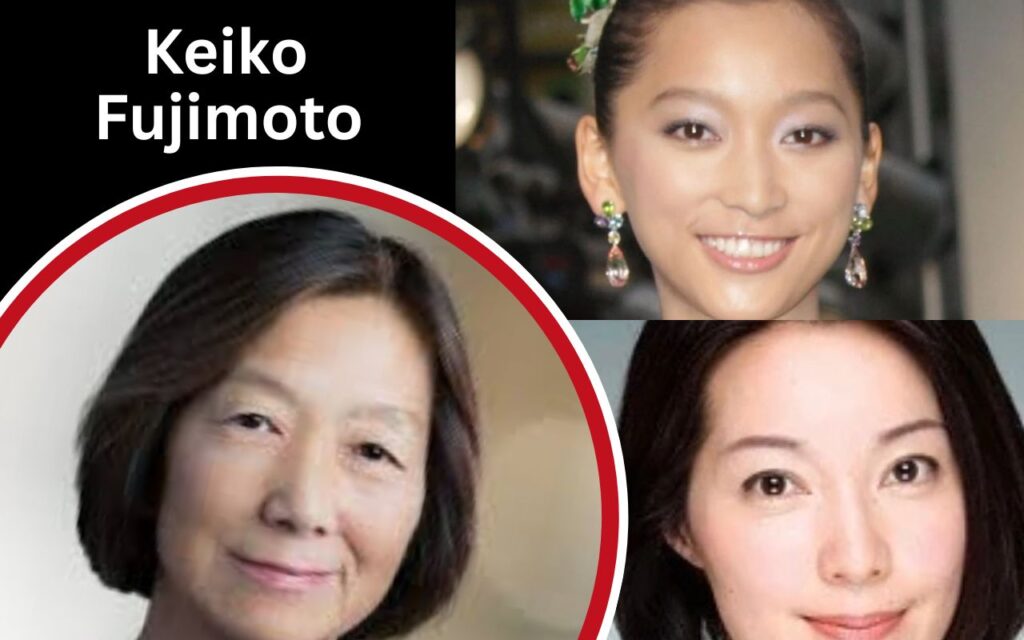

Keiko Fujimoto is a Japanese-American individual who has attracted public attention primarily due to her former marriage to Ramesh “Sunny” Balwani, the former president and COO of the Silicon Valley startup Theranos. Despite this connection, Fujimoto’s life and career are defined by her own accomplishments and personal choices. She has remained a private figure, cultivating a life that blends artistic expression, communication skills, and professional engagement in technical and creative fields. Her story highlights the intersection of personal privacy, cultural heritage, and the curious ways public interest can bring someone into the spotlight even when they seek to remain outside it.
Early Life and Cultural Background
Keiko Fujimoto was reportedly born in Japan on June 23, 1977. She grew up immersed in Japanese culture, and her upbringing instilled values of resilience, discipline, and creativity. While the specifics of her family life are largely private, it is clear that Fujimoto’s early experiences helped shape her worldview and professional interests. Her Japanese heritage has influenced her approach to art and communication, emphasizing subtlety, expression, and cultural awareness. This background would later inform her career and personal choices, even as she transitioned to life in the United States.
Education and Early Career
Although detailed records of her education are scarce, some sources suggest that Fujimoto pursued studies in information sciences or related fields at the University of Illinois Urbana-Champaign. Her academic foundation likely supported her later roles in technical communication and documentation. In her early professional life, Fujimoto was reportedly involved in Japanese television and media, including appearances in series such as “Takajin mune ippai” in 1994. These experiences allowed her to cultivate skills in public communication, creative presentation, and cultural storytelling, laying the groundwork for a career that combined analytical precision with artistic sensibility.
Professional Life: Art and Communication
Keiko Fujimoto’s career reflects a blend of artistic expression and professional communication. She has been described as an artist who draws inspiration from traditional Japanese aesthetics, emphasizing simplicity, balance, and emotional resonance. While specific exhibitions or artistic accomplishments are not widely documented, her work in this area underscores a commitment to cultural expression and creativity. Beyond art, Fujimoto has reportedly spent significant time in technical communication, including work in documentation and translation at major technology companies like Applied Materials. In these roles, she helped bridge complex technical information with clear, accessible communication, highlighting her dual expertise in technical precision and cultural literacy.
Marriage to Sunny Balwani and Public Recognition
Keiko Fujimoto’s name entered the public consciousness largely due to her marriage to Sunny Balwani, which reportedly began in the 1990s. Balwani, who later became the COO of Theranos, was a prominent figure in Silicon Valley. Their marriage lasted until 2002, ending well before the Theranos scandal became widely known. Fujimoto’s divorce predated Balwani’s legal issues, and she was never involved in the operations of Theranos or any legal investigations. Despite this, her connection to Balwani sparked public curiosity, particularly as media outlets explored the personal lives of individuals linked to the Theranos saga.
Life After Theranos and Maintaining Privacy
After her divorce, Keiko Fujimoto chose a life of privacy, deliberately staying out of the public eye. Unlike many individuals associated with high-profile scandals who seek media attention or social media engagement, Fujimoto maintained a distance, allowing her professional work and personal interests to define her life. This choice has contributed to a perception of dignity and resilience, as she navigates public curiosity without compromising her personal boundaries. Her story serves as an example of how an individual can maintain autonomy and privacy even when external forces seek to impose public attention.
Cultural Identity and Personal Philosophy
Fujimoto’s Japanese-American identity has influenced her personal philosophy, emphasizing self-discipline, cultural awareness, and artistic sensibility. Her approach to life reflects a balance between tradition and modernity, privacy and public attention, and professional expertise and creative exploration. She has consistently demonstrated an ability to navigate complex social and professional environments while preserving her own values and sense of self. This cultural grounding, combined with her professional versatility, paints a picture of a multifaceted individual who is more than the sum of her public associations.
Legacy and Public Curiosity
Keiko Fujimoto’s legacy is defined less by public recognition and more by the principles she embodies: independence, privacy, and thoughtful engagement with the world. While her name remains a point of interest due to the Theranos connection, her life story underscores the importance of maintaining personal agency and dignity. In a society that often conflates visibility with value, Fujimoto exemplifies how one can lead a meaningful, creative, and professionally accomplished life without seeking the spotlight.
Read More: Pollyanna Rose: Biography, Career, Filmography, and Life of the British Actress
Conclusion
Keiko Fujimoto represents a unique narrative of personal identity, professional skill, and cultural integrity. From her early life in Japan to her career in art and communication, and through her navigation of public attention related to high-profile figures, she has maintained a private, thoughtful approach to life. Her story reminds us that public curiosity does not define personal worth and that dignity and autonomy can be preserved even in the midst of widespread attention. Keiko Fujimoto’s life illustrates the enduring power of creativity, privacy, and self-determination, offering a compelling example of how an individual can thrive on their own terms.