
Early Life and Family Background
Harry Brant was born on August 3, 1996, into a family deeply connected to fashion, art, and publishing. As the son of supermodel Stephanie Seymour and billionaire industrialist and art collector Peter Brant, he grew up surrounded by creativity and cultural influence. His childhood was split between Connecticut and New York, where he experienced both a private family life and the highly visible world of high society. From an early age, he was exposed to runway shows, editorial shoots, and conversations about art and design that shaped his aesthetic vision.
Growing up in a prominent household brought unique opportunities and expectations. His mother’s success in the modeling industry and his father’s involvement in publishing and contemporary art placed Harry in an environment where style and self-expression were part of everyday life. He often accompanied his parents to fashion events, charity galas, and exhibitions, which allowed him to observe how image and branding functioned in elite circles. These early experiences would later influence his own approach to fashion and media.
Family played a significant role in shaping Harry’s personality. He shared a particularly close bond with his older brother, Peter Brant II, and the two became known for their joint appearances at fashion events. Together, they developed reputations as young socialites with bold fashion choices and strong opinions about beauty standards. Despite public attention, those close to Harry described him as intelligent, creative, and deeply thoughtful about identity and self-expression.
Rising as a New York Socialite and “It Boy”
Harry Brant first captured public attention as a teenager when he began appearing regularly at high-profile New York events. His presence at the Met Gala and major fashion weeks quickly drew media coverage. Unlike many young figures born into privilege, Harry stood out because of his distinctive style and confident personality. Fashion journalists began referring to him as an “It boy,” a term used for young cultural influencers who embody the spirit of a generation.
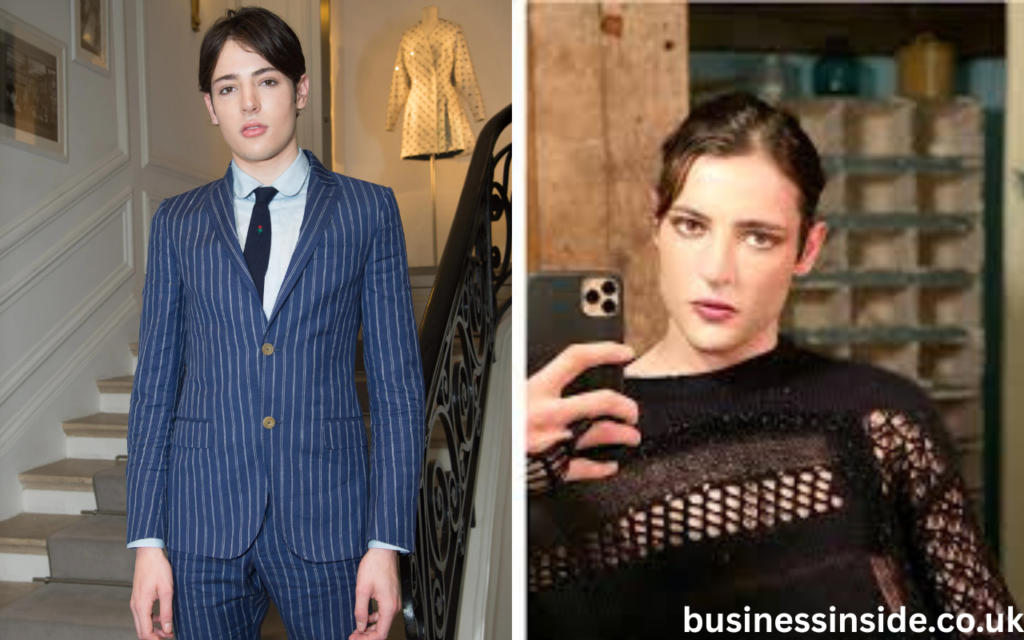
His rise as a New York socialite was not based solely on family connections. Harry cultivated a personal image that was daring, modern, and unapologetically expressive. He embraced androgynous fashion, experimenting with makeup, bold silhouettes, and luxury designer pieces that blurred traditional gender lines. At a time when conversations about gender fluidity were becoming more visible in mainstream fashion, Harry was already living that reality in public.
Media outlets often highlighted his charisma and visual impact. He understood the power of image in the age of social media and used platforms like Instagram to showcase his evolving aesthetic. His carefully curated posts featured high-fashion editorials, candid moments with friends, and close-up beauty shots that emphasized makeup artistry. This blend of authenticity and high fashion helped cement his place among the most talked-about young influencers in New York.
Modeling Career and Fashion Industry Presence
Harry Brant’s modeling career developed naturally from his immersion in the fashion world. With sharp features, expressive eyes, and a confident presence, he became a sought-after face for editorial spreads. He appeared in international fashion magazines, working with renowned photographers and stylists who appreciated his ability to embody both softness and strength in front of the camera.
His runway appearances further solidified his reputation within the fashion industry. Walking for luxury fashion houses and participating in high-profile shows, Harry demonstrated versatility and poise. Designers were drawn to his ability to challenge traditional masculinity while maintaining elegance. He did not simply wear clothing; he transformed garments into statements about identity and art.
Beyond modeling, Harry was deeply engaged in understanding fashion as a cultural force. He studied trends, analyzed runway collections, and discussed the evolution of beauty standards. This intellectual curiosity set him apart from many models of his generation. He was not only interested in being photographed but in contributing to broader conversations about how fashion shapes society and personal identity.
Editorial Work and Creative Expression
In addition to modeling, Harry Brant explored editorial work and writing. He contributed to Interview magazine, a publication associated with art, culture, and celebrity interviews. Through his columns and features, he shared insights into fashion, beauty, and youth culture. His writing reflected a sophisticated understanding of style as both fantasy and self-definition.
Harry’s creative expression extended beyond traditional journalism. He viewed fashion as a form of storytelling, where clothing, makeup, and photography combined to create a narrative. In interviews, he often spoke about beauty as transformative and theatrical. For him, makeup was not just cosmetic but a tool to explore different facets of identity.
His conversations with designers and industry leaders revealed a thoughtful mind eager to challenge conventions. He was interested in dismantling rigid gender expectations within beauty campaigns and runway casting. By engaging in dialogue with established creatives, Harry positioned himself as part of a new generation seeking inclusivity and artistic freedom in the fashion industry.
The Brant Brothers and the Unisex Makeup Movement
One of Harry Brant’s most significant professional ventures was his collaboration with his brother on a unisex makeup collection with MAC Cosmetics. The Brant Brothers collection was groundbreaking because it openly embraced gender-neutral beauty products at a time when the concept was still emerging in mainstream markets. The line included eye pencils, lip products, and sculpting powders designed for anyone who wanted to experiment with makeup.
Harry spoke passionately about makeup as a form of fantasy and transformation. He believed that cosmetics should not be limited by gender norms and that everyone should feel empowered to enhance or alter their appearance. The collaboration generated widespread media attention and was praised for helping normalize men wearing makeup in high-fashion contexts.
The success of the unisex makeup line reflected broader changes within the beauty industry. Brands were beginning to adopt more inclusive marketing strategies, and Harry’s involvement gave credibility to this shift. His personal style, often featuring eyeliner and sculpted brows, made him a visible ambassador for gender-fluid beauty. The project remains an important chapter in discussions about inclusivity in cosmetics.
Cultural Influence and Social Media Presence
Harry Brant’s cultural influence extended beyond traditional fashion platforms. His social media accounts became digital mood boards that combined luxury, humor, and artistic flair. He understood how to use imagery to craft a brand identity that felt aspirational yet personal. Followers admired his fearless experimentation and polished presentation.
As a style influencer, Harry represented a shift in how fame operates in the digital era. He was part of a generation that blurred the lines between celebrity, model, and online personality. His posts often featured behind-the-scenes glimpses of fashion shoots, candid moments at exclusive events, and close friendships with designers and creatives. This transparency made him relatable despite his privileged background.
Harry’s androgynous aesthetic inspired many young people exploring their own identities. By confidently wearing makeup and unconventional outfits, he challenged stereotypes about masculinity. His visibility contributed to a larger cultural conversation about self-expression, encouraging followers to embrace individuality without fear of judgment.
Personal Struggles and the Reality Behind the Spotlight
Behind the glamour of fashion events and magazine covers, Harry Brant faced significant personal struggles. He battled addiction for several years, a challenge that his family later spoke about openly. Addiction is a complex and devastating disease, and Harry’s experience highlighted that wealth and status do not provide immunity from personal hardship.
Friends described him as someone who was both vibrant and vulnerable. The pressure of public life, combined with personal challenges, created a difficult environment. Despite these struggles, he reportedly sought help and made efforts toward recovery. His story serves as a reminder of the importance of mental health awareness and support systems, particularly in high-pressure industries like fashion.
The conversation around addiction in the modeling and entertainment worlds has grown in recent years. Harry’s life added a human dimension to this discussion. His family’s openness about his battle helped reduce stigma and encouraged dialogue about recovery, compassion, and understanding.
Tragic Passing and Public Response
On January 17, 2021, Harry Brant passed away at the age of 24 due to an accidental overdose of prescription medication. His sudden death sent shockwaves through the fashion community and beyond. Designers, editors, and friends shared tributes honoring his creativity, warmth, and unique spirit.
The public response demonstrated how deeply he had impacted those around him. Social media platforms filled with messages celebrating his life and mourning his loss. Many emphasized his kindness, intelligence, and sense of humor. His passing also reignited conversations about addiction and the need for accessible mental health resources.
Although his life was short, Harry’s influence was substantial. The combination of privilege, talent, and vulnerability made his story both inspiring and heartbreaking. His death marked the loss of a young figure who had already contributed meaningfully to evolving conversations about beauty and identity.
Harry Brant’s Enduring Legacy in Fashion and Beauty
Harry Brant’s legacy continues to resonate within the fashion and beauty industries. He is remembered as a modern style icon who challenged outdated norms and embraced self-expression without hesitation. His work in modeling, editorial writing, and gender-inclusive beauty initiatives helped push the industry toward greater openness.
The impact of his unisex makeup collaboration remains visible as more brands launch gender-neutral collections. Conversations about fluid fashion, inclusive marketing, and diverse representation have become central to industry discussions. Harry was part of the early wave of young influencers who championed these ideas before they became mainstream trends.
Ultimately, Harry Brant’s story is one of creativity, courage, and complexity. He lived at the intersection of high fashion and personal vulnerability, leaving behind a legacy that extends beyond runways and magazine pages. His life reminds us that style can be a powerful form of expression, and that behind every public image is a deeply human story.
Read More: Lee Tiger Halley Age: Biography, Early Life, Career Journey, and Rising Stardom