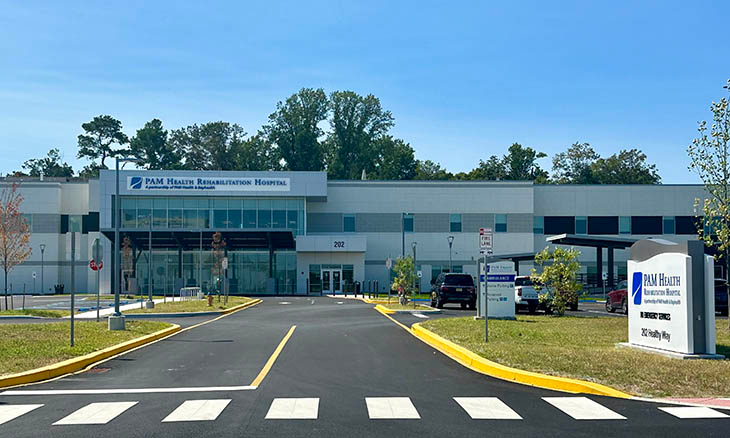

Recovering from a serious illness or surgery can feel overwhelming, especially when care comes from multiple providers who don’t always communicate. Patients often struggle to navigate appointments, therapy sessions, and follow-ups without a clear plan. PAM Health has been embracing integrated care models to make this process smoother and more coordinated for both patients and staff. By bringing doctors, therapists, and nurses together in a shared approach, recovery becomes more efficient and less stressful. These models are showing that thoughtful coordination can truly improve outcomes and the overall patient experience.
What Integrated Care Models Really Mean
Integrated care models are all about teamwork in healthcare, where doctors, nurses, therapists, and support staff coordinate closely around each patient. Instead of patients having to repeat their story to every provider, everyone shares information and works from the same plan. This approach makes care feel smoother, more connected, and focused on real results.
Why Rehabilitation Providers are Embracing Integration
Rehabilitation providers are turning to integrated care because it makes recovery smoother for patients and operations more efficient for staff. Here’s why this approach is gaining traction:
Improved Patient Support
Integrated care ensures that patients feel supported at every step of their recovery. When therapy plans, medical updates, and follow-ups are coordinated, patients experience less confusion and more confidence in their progress.
Consistent Care Plans
When all members of the care team communicate effectively, treatment remains consistent across different sessions and providers. This consistency helps patients make steady progress and reduces the risk of setbacks.
Better Team Collaboration
Integration encourages doctors, nurses, and therapists to work closely together rather than in isolation. This collaboration allows staff to address patient needs quickly and make adjustments to care plans without delay.
Reduced Administrative Burden
Coordinated care reduces the need for repeated paperwork, unnecessary calls, and duplicated efforts. Staff can focus on delivering quality treatment rather than managing fragmented communication.
Stronger Patient Outcomes
The combination of support, consistency, and collaboration leads to faster recoveries and improved overall outcomes. Providers see the benefits not only in patient health but also in satisfaction and loyalty.
Efficient Implementation of Integrated Care
At PAM Health, integrated care means every patient has a coordinated team of doctors, nurses, and therapists working together. They use shared records and regular team check-ins to make sure everyone is on the same page. This coordination helps patients move through rehabilitation more smoothly and keeps their progress on track.
The Impact on Patient Outcomes
Integrated care models are changing the way patients experience rehabilitation, making recovery more predictable and effective. Here’s how they make a real difference:
Faster Recovery Times
When care teams communicate and coordinate every step, patients spend less time waiting for treatments or repeating assessments. This consistency allows patients to progress through therapy more efficiently and regain independence sooner.
Fewer Complications
Shared information between providers helps catch potential issues early, reducing the risk of setbacks or hospital readmissions. Patients benefit from proactive care that addresses problems before they become serious.
Improved Patient Satisfaction
Feeling supported and understood by a connected care team boosts confidence and motivation during recovery. Patients report higher satisfaction because their care feels organized, personal, and focused on their goals.
Personalized Rehabilitation Plans
Integrated care allows therapy to be tailored to each patient’s unique needs and pace. This individualized approach helps patients achieve meaningful, long-term results that matter in everyday life.
The Efficiency Gains for Providers
Integrated care models not only help patients, but they also make life easier for providers by streamlining workflows and improving communication. Here are some of the key ways providers benefit:
Better Communication Across Teams
When doctors, therapists, and nurses share information in real time, important updates are not lost or delayed. This reduces confusion and allows staff to make faster, more informed decisions for each patient.
Reduced Duplication of Work
Working together on one care plan allows providers to avoid repeating tests or assessments unnecessarily. In this way, time and energy are saved, and staff can devote themselves to a truly caring treatment instead of carrying out paperwork.
Smoother Coordination of Care
Coordinated schedules and shared goals make it easier to plan therapy sessions, follow-ups, and discharge steps. Staff can anticipate patient needs and prevent delays that would slow recovery.
Enhanced Job Satisfaction
When care teams work well together, staff members not only feel more empowered and supported, but they are also less stressed. Having distinct roles and cooperating with each other raises morale and even helps healthcare providers stay concentrated on the main focus, which is patient care.
Lessons Other Providers Can Learn
Integrated care models offer practical insights that any rehabilitation provider can apply to improve patient outcomes and team efficiency. Here are some of the key takeaways:
Prioritize Team Communication
For patient care to run smoothly, it is very important that doctors, therapists, and nurses communicate with each other openly and regularly. Other care providers may consider implementing methods such as structured check-ins and shared notes so that all parties can continue to be aligned with one another.
Invest in Shared Patient Records
Centralized records help teams to efficiently track progress and rapidly modify treatment plans. Medical professionals who adopt shared systems can minimize mistakes and save time, as well as enhance the overall experience of patients.
Focus on Individualized Care Plans
Every patient has unique needs, and treatment should reflect that. Providers can learn to create flexible, personalized plans that adjust as patients progress, leading to better outcomes and higher satisfaction.
Start Small and Scale Up
Integrated care does not have to be implemented all at once. Providers can begin with small pilot programs or targeted departments, learn from the process, and expand integration gradually without overwhelming staff.
Encourage a Culture of Collaboration
Teamwork thrives when staff feel valued and supported. Providers can foster collaboration by recognizing contributions, sharing successes, and encouraging staff to communicate openly about challenges.
Conclusion
Integrated care models are changing rehabilitation by helping patients have an easier recovery and enabling providers to work more efficiently every day. Collaboration among team members through communication, coordination, and attention to personalized care leads to benefits for all. The future of rehabilitation is promising when these methods continue to enhance results and offer a more human-focused journey.