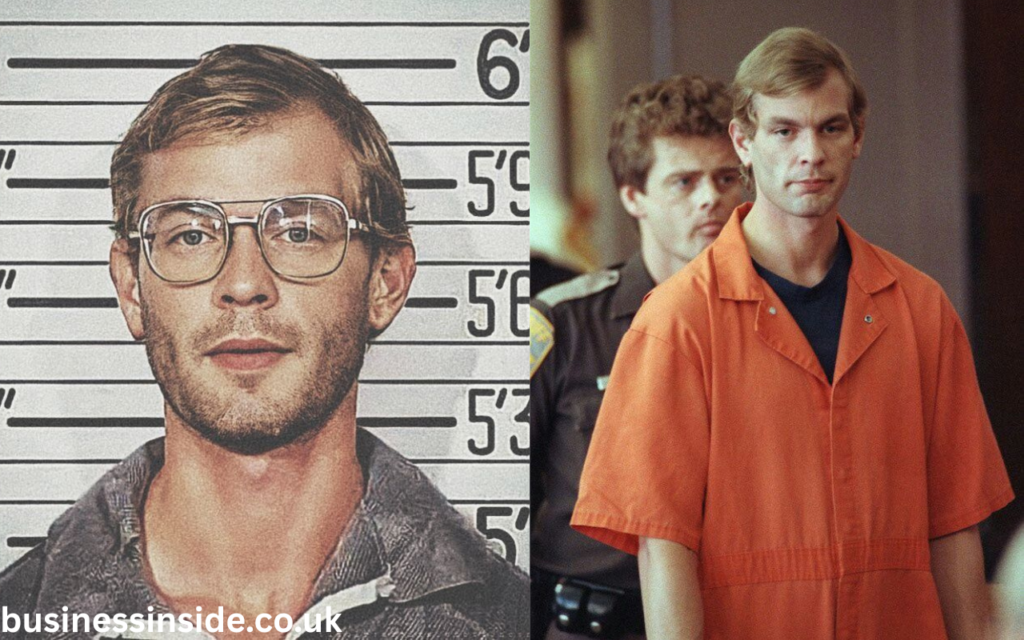

Jeffrey Dahmer was born on May 21, 1960, in Milwaukee, Wisconsin. From a young age, he exhibited troubling behavior that hinted at his later violent tendencies. Those close to him recall that he was often withdrawn, fascinated with dead animals, and displayed early signs of emotional detachment. Such childhood behaviors, combined with familial instability, gradually shaped the person who would commit some of the most horrific crimes in U.S. history.
His first confirmed murder occurred in 1978 when Dahmer was just 18 years old. This initial act was not only the beginning of a killing spree but also marked the start of his meticulous recording of events. While no photographs exist from this first crime, it set a precedent for how Dahmer would later approach both his victims and the documentation of his acts.
During the early years, law enforcement had limited interaction with Dahmer, but his fascination with control and domination over his victims was already present. The combination of curiosity, morbid interest in death, and a desire to assert power would later become central to the horrifying images and photographs associated with his crimes.
Mugshots and Portraits: The Face Behind the Crimes
Jeffrey Dahmer’s mugshots provide one of the clearest visual representations of him as a person rather than a myth. In these photos, he appears calm, collected, and almost ordinary, creating a jarring contrast with the gruesome nature of his crimes. The mugshots were taken at multiple points throughout his criminal life, documenting his physical appearance over the years.
While some images depict Dahmer with a neutral expression, others show subtle hints of unease or tension. Experts suggest that these variations reflect the psychological strain he experienced when facing law enforcement. The contrast between his calm appearance and his violent actions continues to fascinate psychologists and true crime researchers.
These portraits also serve as a reminder of the real human being behind the headlines. They are widely circulated online but must be treated responsibly. Understanding Dahmer through these images gives insight into the duality of his personality—ordinary in appearance but extraordinarily dangerous in behavior.
Crime Scene Photographs: Evidence of Horrific Acts
After Dahmer’s arrest in 1991, authorities recovered a trove of evidence in his Milwaukee apartment, captured in numerous crime scene photographs. These images revealed the extent of his crimes, including tools, containers, and living spaces that were repurposed for unimaginable acts. The apartment itself, once ordinary, had become a site of terror and remains one of the most infamous crime scenes in history.
Crime scene photographs are deeply disturbing but invaluable for understanding the methods Dahmer employed. The images show how he meticulously planned and executed his killings, reflecting not only his depravity but also his chilling attention to detail. These photos continue to be studied by law enforcement and criminologists to analyze criminal patterns and forensic evidence.
The impact of these images on the public is profound. They offer a stark, visual confirmation of Dahmer’s confessed actions. Beyond shock value, they help law enforcement historians, forensic experts, and students of criminal psychology grasp the realities of serial murder investigations, emphasizing the importance of meticulous documentation.
Polaroids Taken by Dahmer: A Disturbing Window Into His Mind
Among the most infamous visuals are the Polaroids Jeffrey Dahmer took of his victims. These photographs, captured during or after his crimes, provide insight into his psychological state. Dahmer’s compulsive need to photograph his victims illustrates his obsession with control, documentation, and memory, serving as both personal trophies and forensic evidence.
These Polaroids are extremely graphic, showing Dahmer’s victims in various states. They were discovered by authorities upon his arrest and have been crucial for understanding both the timeline of his murders and his twisted motivations. Forensic experts analyze these images to study behavioral patterns common among serial offenders who maintain visual records.
The photographs also highlight the chilling normalcy with which Dahmer approached his acts. The images of everyday settings—bathtubs, bedrooms, and living rooms—turned into crime scenes, reflect how ordinary environments were manipulated to carry out extraordinary violence. These Polaroids remain among the most powerful and unsettling evidence of his crimes.
Ethical Considerations in Viewing Jeffrey Dahmer Photos
While Jeffrey Dahmer’s photographs are historically and criminologically significant, they raise serious ethical concerns. Sharing such images publicly can be deeply distressing to viewers and potentially exploitative of the victims and their families. Responsible research and journalism require context and sensitivity when handling these materials.
Access to these photographs is generally restricted to law enforcement archives, academic studies, or controlled documentary environments. Public exposure is limited due to the graphic nature of the content, ensuring that the images serve educational or investigative purposes rather than sensationalist interests.
Understanding the balance between historical record and ethical responsibility is essential. The photos are not merely evidence; they are reminders of real lives lost, families affected, and the need for careful, respectful treatment of such materials in any discussion or publication.
Public Perception and the Role of Visual Media
Jeffrey Dahmer’s real pictures have had a profound influence on how the public perceives him and his crimes. Visual media transforms abstract narratives of murder into something tangible, making the severity of his actions impossible to ignore. Mugshots, Polaroids, and crime scene images together construct a narrative that is both horrifying and informative.
Media coverage often emphasizes the shock factor, but when presented responsibly, these images educate the public about criminal psychology, forensic investigation, and the warning signs of deviant behavior. They also provide a historical record that cannot be captured through words alone, illustrating the depth of Dahmer’s crimes.
However, the circulation of these images can blur lines between education and sensationalism. Audiences must approach the material critically, understanding that while the photographs document history, they also demand empathy for the victims and a responsible approach to sharing or studying the visuals.
Misconceptions, Digital Alterations, and Verification
In the digital age, many images claiming to depict Jeffrey Dahmer or his crime scenes are misrepresented or digitally altered. AI-generated images and edited photographs circulate widely, often misleading audiences and distorting public understanding of the case. Misattributed photos can sensationalize the story and create false narratives.
Verification of real images is crucial. Researchers rely on law enforcement records, verified publications, and reputable archives to confirm authenticity. Without careful sourcing, individuals risk spreading misinformation, potentially disrespecting victims or perpetuating myths about Dahmer’s life and crimes.
Critical analysis of visual content is a key skill for anyone studying criminal history. Recognizing the difference between authentic photographs, staged media representations, and manipulated images ensures that historical research remains accurate and ethically grounded.
Read More: Michael Steele Wife: Life, Family, and Public Appearances
The Lasting Legacy of Jeffrey Dahmer’s Photographs
The real pictures of Jeffrey Dahmer serve as more than just evidence—they are part of the legacy of one of America’s most notorious serial killers. They allow us to study criminal behavior, forensic methodology, and psychological profiles in unprecedented detail. These images will continue to be referenced in documentaries, educational programs, and criminal research.
Dahmer’s photographs also remind society of the importance of vigilance and understanding the signs of dangerous behavior. Beyond the fascination with true crime, the images highlight the need for empathy toward victims and the responsibility of sharing sensitive content respectfully.
Ultimately, these photographs are a window into a tragic chapter of human history. They preserve the truth of Dahmer’s actions, the lives affected, and the lessons learned, ensuring that both the crimes and their consequences are remembered accurately and ethically.