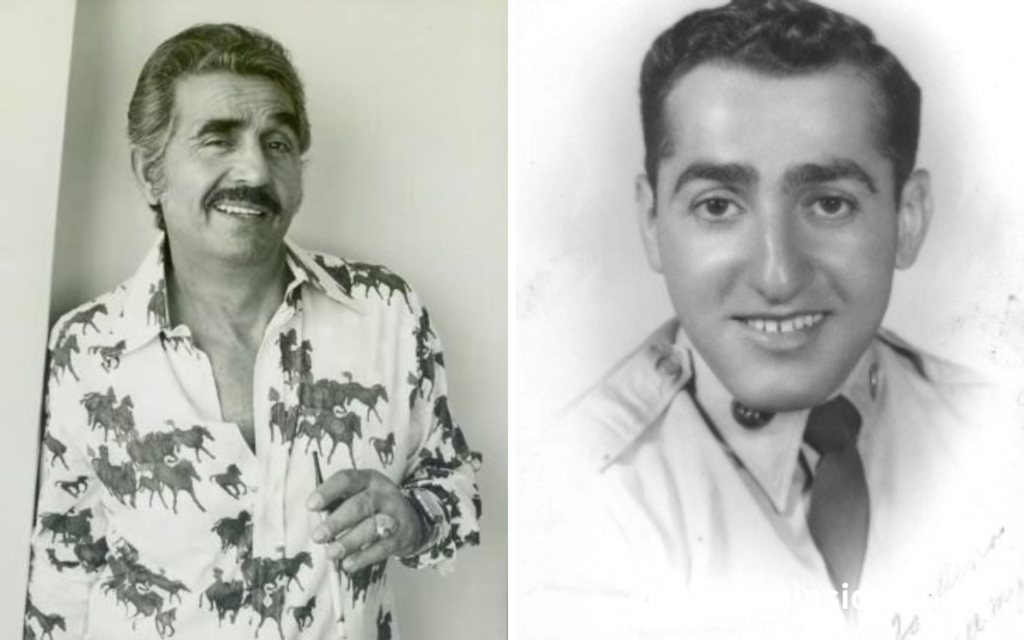

John Paul Sarkisian remains one of the least documented yet most significant figures in the personal history of an enduring global icon—Cher. His name seldom appeared in mainstream biographies outside of being identified as Cher’s father, yet his life, deep Armenian heritage, complex personal journey, and legacy shaped the early life of one of culture’s most influential artists. John Paul Sarkisian’s story is both a cultural tapestry and a testament to the hidden roots that lie beneath celebrity narratives.
Early Life and Armenian American Heritage
John Paul Sarkisian was born on March 23, 1926, in the state of California, United States. Though precise details about his early family life remain limited in public records, available research describes him as coming from a first‑generation Armenian‑American household — a child of immigrants who brought traditional values and cultural identity to their American experience.
His Armenian background was culturally meaningful and deeply tied to the identity he carried throughout his life. As a first‑generation American during a period of strong assimilation pressures and limited ethnic representation, his upbringing was shaped by the balance between preserving heritage and adapting to broader American society. The Armenian diaspora community in early‑to‑mid 20th century America was characterized by strong family bonds, preservation of language and traditions, and a drive toward economic opportunities amidst broader national challenges such as the Great Depression.
Growing up in California, John Paul would have witnessed and lived through the economic volatility of the 1930s, World War II, and post‑war American society. These social forces influenced millions of immigrant families and shaped life priorities centered on survival, stability, and personal reinvention.
Professional Life: Truck Driving and Early Struggles
While detailed records of John Paul Sarkisian’s complete professional life are scarce, most historical profiles identify his work as a truck driver — a common blue‑collar profession in mid‑20th century America, particularly among working‑class families striving to make ends meet.
This aspect of his life placed him within the working class, grappling with demanding physical work, long hours away from home, and the economic fluctuations that influenced labor wages and family responsibilities. Truck driving, in that era, was not merely a job—it was a crucial lifeline for families seeking financial stability in the absence of social safety nets that exist today.
Some sources also indicate that he may have been involved in livestock activities, particularly as a horse breeder through Somerset Farms in Santa Ynez, later in life. This venture suggests a versatility in livelihood, though the full scope of his career remains undocumented in official historical records.
Meeting Georgia Holt and Family Beginnings
One of the most pivotal moments in John Paul’s personal life was meeting Georgia Holt (born Jackie Jean Crouch), an aspiring actress and model who later became known for her connection to Hollywood and entertainment circles. Georgia was born on June 9, 1927, in Sharp County, Arkansas, and her career aspirations in performance contrasts sharply with John Paul’s more grounded, labor‑oriented life.
The two married on June 22, 1945 in Reno, Nevada, a city well known for quick marriages and divorces. Their union, though brief and tumultuous, marked the beginning of a family story that would later become part of entertainment history.
Their relationship existed at a time when many young couples were still returning from military service following World War II and seeking stability in post‑war America. For John Paul and Georgia, the tension between artistic dreams and economic reality defined much of their early life together.
Birth of Cher and Immediate Estrangement
On May 20, 1946, Cherilyn Sarkisian—later known famously as Cher—was born in El Centro, California. Her birth certified her place in entertainment history long before she fully realized it.
However, the early family years were fraught with instability. Multiple biographies reveal that John Paul was largely absent during Cher’s infancy, leading to significant familial strain. Reports from respected biographical sources indicate that he left the family when Cher was very young — at times so early that she spent a portion of her infancy in an orphanage. Gaining that independence from her father so early left a mark in her personal narrative.
Cher’s mother, Georgia Holt, struggled financially and emotionally to raise her daughter while continuing to pursue her own aspirations. The separation occurred early, and their relationship was strained, with intermittent contact as Cher grew up.
This context shaped Cher’s formative years, instilling resilience in a very challenging environment. Her eventual greatness was built upon roots that involved absence, longing, and the influence of a father she scarcely knew.
The Relationship Between John Paul and Cher
Cher has spoken candidly in interviews and in her memoir about her complicated and often difficult relationship with her father. She described him as once charming, yet troubled by personal demons and a lifestyle that included criminal behavior, gambling problems, and substance issues — all of which contributed to his absence during the most critical years of Cher’s childhood.
In fact, legal records shared in past media recount a time when John Paul sued Cher and several major magazines for $4 million, asserting that his portrayal in widely published interviews was defamatory. He claimed that descriptions of his life as criminal and problematic were inaccurate and requested a court injunction to cease such statements.
While the full outcome of that lawsuit remains undocumented in public archives, this showdown highlights deep emotional layers and complexities in their relationship — one that never fully healed in a public way.
Despite this, Cher’s success in life only underscored how much distance once existed between father and daughter. Their personal history never fit the narrative of connection and mutual pride often associated with public figures and their families.
Cultural Identity: Armenian Influence and Personal Identity
Though John Paul’s public life was private and largely undocumented, his Armenian heritage remained a fundamental part of his identity. As the son of Armenian Americans, cultural traditions rooted in collective strength, familial loyalty, and resilience underpinned much of his worldview.
This heritage indirectly shaped Cher’s identity too, although she grew up primarily with her mother. Cher has often been described in public narratives as part Armenian due to her father’s roots, and this aspect of heritage has been the subject of cultural commentary and debate. While some sources speculate about other heritages in Cher’s lineage, there is no documented evidence of Native American ancestry, and many biographers emphasize her Armenian and European roots.
The preservation of ethnic identity in immigrant families like the Sarkisians often facilitated community bonds, cultural continuity, and a foundation that transcended daily hardships.
Later Life and Death
Despite his early years as a truck driver and intermittent presence in his daughter’s life, John Paul Sarkisian lived quietly until his passing. He died on January 28, 1985, at the age of 58 in Fresno, California.
At the time of his death, the public spotlight had already shifted entirely onto Cher’s burgeoning career as a performer, and he passed before her fullest recognition as an artistic icon.
His death was noted in local press, including causes attributed to long‑term lifestyle and health factors that often accompany a life spent in rigorous labor and personal struggle.
Legacy and Cultural Significance
John Paul Sarkisian’s legacy is paradoxical. He is remembered primarily as the father of Cher, yet through that connection he contributed indirectly to the emotional and experiential narrative of a world‑renowned artist. His life reflects:
- The story of an immigrant family in mid‑20th century America.
- The economic realities of working‑class life.
- The complexities of family relationships in which absence becomes as influential as presence.
- The heritage‑driven identity that shaped interpersonal and cultural understanding.
Cher’s achievements—even in drama, music, and film—can be traced back to a childhood filled with adversity that she turned into fuel for her ambitions. While John Paul’s own career will never be extensively documented in public archives, his indirect influence remains part of the foundational narrative of one of the most recognizable entertainers in history.
Conclusion: Beyond the Spotlight
John Paul Sarkisian may never have been the subject of books, documentaries, or wide‑ranging media attention, but his life offers a powerful story about family, struggle, heritage, and consequence. Inside the broader story of Cher’s fame lies a smaller, quieter narrative of a man whose choices, heritage, and absence helped shape the tenacity of a legend.
Understanding John Paul Sarkisian doesn’t just add detail to celebrity genealogy—it deepens appreciation for how personal histories ripple outward into cultural impact, how adversity fuels resilience, and how family legacies extend far beyond simple biographical footnotes.
you may also read :Interests and Personal Development