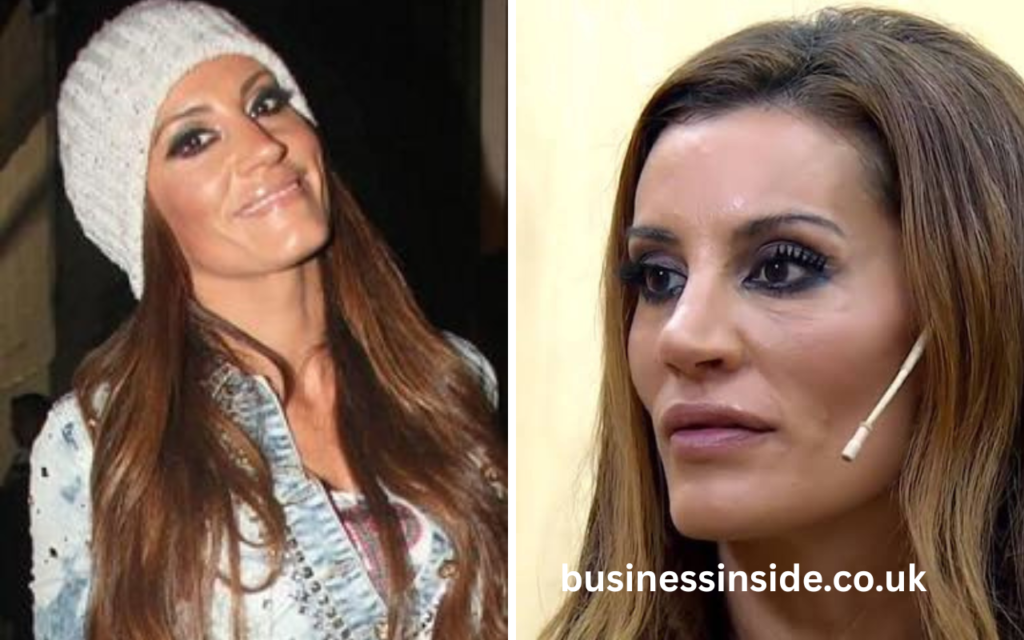

Natacha Jaitt was one of the most recognisable and controversial media personalities in Argentina. She worked as a model, actress, television presenter, radio host and screenwriter, but her public identity went far beyond those professional titles. She became widely known for her direct speaking style, provocative television appearances and willingness to discuss subjects that many other public figures avoided.
Her life attracted attention because it combined entertainment, personal struggle, legal disputes and serious public allegations. After her death in February 2019, interest in Natacha Jaitt grew even further. Many people began reviewing her interviews, social-media posts and previous statements, while her family continued to question the official explanation of what happened.
Although she was often described simply as a controversial celebrity, her story was more complex. She experienced fame in both Spain and Argentina, raised two children, faced intense media criticism and remained a highly discussed figure long after her death.
Early Life and Background
Natacha Jaitt was born on 13 August 1977 in Buenos Aires, Argentina. She came from a Jewish family and spent the early years of her life in Argentina before later travelling abroad to search for new opportunities.
Before becoming a recognised television figure, she worked as a glamour model. Her early career reflected her confidence in front of the camera and her interest in entertainment. However, her rise to fame was not immediate. She reportedly moved to Spain with limited financial resources and had to build her public career from a difficult starting point.
This move became a major turning point in her life. Spain gave her access to reality television, modelling opportunities and a much larger entertainment market. Her personality quickly made her suitable for programmes built around strong opinions, personal conflict and public exposure.
Rise to Fame Through Gran Hermano
Natacha Jaitt became widely known after appearing on the Spanish reality programme Gran Hermano, the Spanish version of Big Brother. Her participation introduced her to a large television audience and helped create the public image that followed her throughout her career.
She reached third place in the competition and was reported to be the first foreign contestant to reach the final. This achievement was important because reality television was highly influential at the time. Contestants could become national celebrities within weeks, especially if they had memorable personalities.
Jaitt stood out because she was outspoken, confident and comfortable discussing private matters in public. Her presence on the programme attracted attention and helped her secure further work in television and adult-oriented entertainment.
Her experience on Gran Hermano also shaped the way the public viewed her. Some people admired her honesty and confidence, while others considered her too provocative. This division became a permanent feature of her career.
Television, Radio and Modelling Career
After Gran Hermano, Natacha Jaitt expanded her career across television, radio, acting and modelling. She appeared on programmes such as Crónicas Marcianas, Sexo Seguro, Bailando por un Sueño, Natacha Enciende Tus Sentidos and Natacha de Noche.
Her television work often focused on relationships, sexuality, celebrity culture and controversial social topics. She was comfortable appearing in formats where strong statements and personal revelations were expected. This made her a frequent guest on entertainment programmes and public debate shows.
Jaitt also worked with Playboy TV and posed for adult-oriented publications, including Playboy and Interviú. These roles strengthened her image as a glamour and adult-entertainment personality, but she did not limit herself to modelling. She also worked as a presenter, actress and radio host.
She returned to Argentina in 2007 and continued appearing in national media. By that stage, she had already developed a recognisable identity. She was not seen as a traditional actress or presenter. Instead, she became a media figure whose personal opinions often attracted as much attention as her professional work.
Her Public Personality and Media Image
Natacha Jaitt was known for speaking openly about sexuality, personal relationships and the behaviour of public figures. She often used direct and dramatic language, which made her interviews highly shareable and frequently controversial.
She reportedly described herself as an “erotologist,” a term that reflected her interest in discussing sexuality from a personal and media-based perspective. She spoke about subjects that were often treated cautiously on mainstream television, particularly during the earlier stages of her career.
Her public image was built around fearlessness. Supporters believed she was willing to say things that others were afraid to say. Critics, however, accused her of seeking publicity or making claims without enough evidence.
This conflict made her a powerful but divisive media personality. She could attract attention quickly, but she also faced legal risks, criticism and public disputes. Her fame depended partly on controversy, yet controversy also made her personal and professional life more difficult.
Personal Life and Children
Natacha Jaitt was the mother of two children, Antonella and Valentino. Her son Valentino was born during her relationship with Argentine actor Adrián Yospe, whom she later divorced.
Despite her public image, her role as a mother was an important part of her private life. Her family became especially significant after her death, when her relatives began demanding greater clarity about the circumstances surrounding it.
Her brother, Ulises Jaitt, later became one of the most vocal people questioning the official investigation. He regularly spoke to the media and argued that unanswered questions remained.
The contrast between Natacha’s highly public career and her family responsibilities showed another side of her life. She was frequently presented in the media as a provocative celebrity, but she was also a mother, sister and former partner whose death deeply affected those closest to her.
Legal Disputes and the Diego Latorre Case
One of the most widely reported legal controversies involving Natacha Jaitt concerned former footballer and sports journalist Diego Latorre.
In 2017, prosecutors accused her of attempting to blackmail him over private material connected to an alleged affair. The case received extensive media coverage because it combined celebrity, sexuality, private communications and criminal allegations.
Jaitt denied wrongdoing. The dispute further increased public attention around her and reinforced her image as a figure constantly surrounded by controversy.
It is important to separate accusations from proven facts. The existence of a legal case did not automatically establish guilt, and Jaitt continued to defend herself publicly.
The Latorre controversy demonstrated how closely her private life had become connected with television and news coverage. Personal disputes were often discussed publicly, and the media frequently treated her life as entertainment.
Allegations Linked to Abuse Investigations
In 2018, Natacha Jaitt became connected to a far more serious public controversy. During an investigation involving alleged sexual abuse connected with youth football players linked to Club Atlético Independiente, she publicly named journalists and other well-known individuals whom she claimed were connected to wider abuse networks.
Her statements attracted enormous attention because they involved serious criminal allegations and prominent people. Some viewers believed she was attempting to expose hidden wrongdoing. Others criticised her for naming individuals publicly before sufficient evidence had been presented.
Authorities did arrest suspects in the wider abuse investigation, but not every claim made by Jaitt was confirmed. For this reason, her statements should not be treated as proof against every person she mentioned.
The episode nevertheless changed the public conversation around her. She was no longer being discussed only as an entertainment personality. She had placed herself at the centre of allegations involving abuse, media power and possible institutional protection.
This period remains one of the most debated parts of her story because supporters believe her later death may have been connected to what she said. However, no conclusive public evidence has established such a connection.
The Tweet That Became Famous After Her Death
One of the most discussed details in the Natacha Jaitt case is a social-media post she published in April 2018. In the message, she stated that she was not planning to commit suicide or die from an overdose and warned people not to believe such an explanation if something happened to her.
After her death, the post was shared widely across Argentina and beyond. Many people interpreted it as a warning, while others believed it reflected her fears at the time.
The tweet became central to online theories about her death. However, a social-media post alone cannot prove how or why a person died. It can provide context about someone’s state of mind or concerns, but it does not replace forensic or legal evidence.
Still, the post remains an important part of her legacy because it strongly influenced public reaction. It encouraged many people to question the official findings and increased suspicion around the circumstances of her death.
The Death of Natacha Jaitt
Natacha Jaitt was found dead on 23 February 2019 at a party venue in Benavídez, Buenos Aires Province. She was 41 years old.
Initial reports stated that there were no obvious signs of violence. Investigators examined the location, forensic evidence, telephone records, messages and video material as part of the case.
Her death immediately became national news. The timing, her earlier allegations and her previous social-media warning created intense suspicion. Many people believed the circumstances required a deeper investigation.
Her family and lawyer questioned parts of the official explanation and raised concerns about possible inconsistencies. They argued that homicide should not be dismissed without a complete investigation.
Investigators, however, stated that they had not found sufficient evidence to support a murder charge. This difference between the official findings and the family’s concerns is one of the main reasons the case remains publicly controversial.
Why Her Death Remains Controversial
The death of Natacha Jaitt remains controversial because several elements created a strong atmosphere of suspicion. She had recently made serious allegations, publicly claimed that she feared being harmed and then died unexpectedly at a private venue.
Her family continued demanding answers, while supporters reviewed her previous statements and interviews. Social media played a major role in keeping the case alive, often spreading theories faster than verified information.
The difficulty is that public suspicion is not the same as legal proof. Many theories have circulated, but they have not been conclusively established through evidence.
This does not mean that public questions are meaningless. Families have the right to seek clarity, and unexplained details can justify continued interest. However, responsible reporting must clearly distinguish between confirmed facts, family concerns and unproven conspiracy theories.
Natacha Jaitt’s Relationship With Fame
Natacha Jaitt’s career showed both the opportunities and dangers of modern celebrity culture. Reality television gave her fame, but fame also exposed nearly every part of her life to public judgment.
She gained attention by being open, provocative and unpredictable. These qualities made her valuable to television producers and entertainment programmes. At the same time, they made it difficult for the public to separate her serious statements from her media persona.
When she raised allegations, some people dismissed them because of her previous controversies. Others argued that her reputation should not automatically invalidate everything she said.
Her story therefore raises a broader issue about how society treats controversial women in the media. A person may be provocative, imperfect or involved in scandals and still deserve to have serious claims examined fairly.
Legacy in Argentine Media
Natacha Jaitt remains a significant figure in Argentine popular culture. Her television career, public disputes and unexpected death continue to generate discussion.
For some, she is remembered mainly as a glamour model and reality television personality. For others, she represents a woman who challenged powerful people and refused to remain silent.
Her legacy is complicated because it includes both entertainment and serious controversy. She was admired, criticised, mocked and defended, sometimes at the same time.
Her name continues to appear in media reports whenever new discussions arise about her death, her previous allegations or her family’s campaign for answers. This continued attention shows that her story has not disappeared from public memory.
Conclusion
Natacha Jaitt lived a highly public and often turbulent life. She began as a model, gained fame through Spanish reality television and later became a familiar figure in Argentine television and radio.
Her confidence and openness made her famous, but they also placed her at the centre of disputes, legal cases and public criticism. In the final years of her life, she became involved in serious allegations that went far beyond entertainment.
Her death on 23 February 2019 remains one of the most debated celebrity cases in Argentina. Official investigators did not publicly establish evidence of murder, but her family and supporters continued to question the findings.
The lasting interest in Natacha Jaitt comes from the combination of her media career, fearless public identity, controversial claims and the unanswered questions that surrounded her final days. Her story remains a reminder that celebrity, personal vulnerability and public controversy can become deeply connected, especially when a famous life ends without satisfying everyone’s demand for certainty.
You may also read : Shirley Temple’s Second Marriage and the Black Family