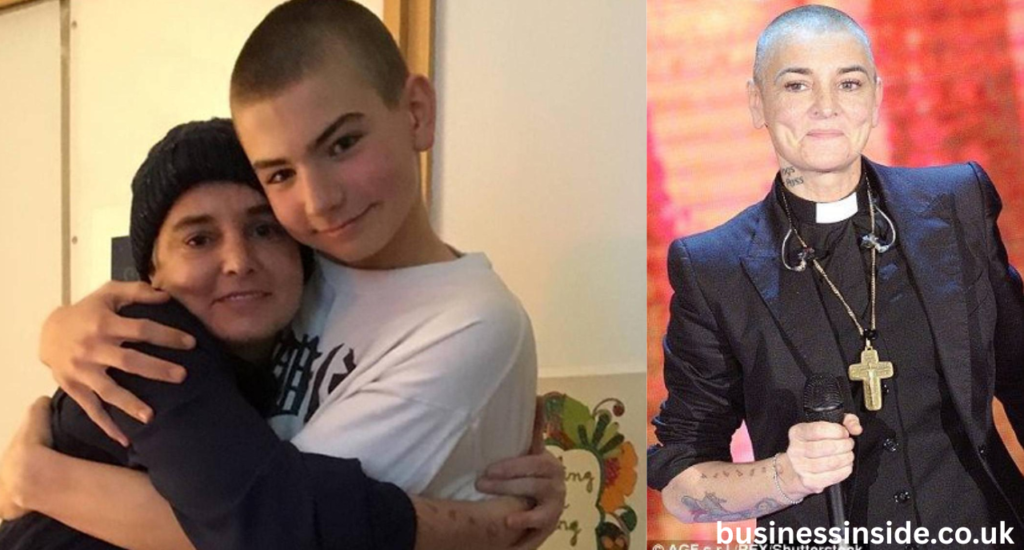

Shane O’Connor was born into a family deeply rooted in Irish music and culture. As the son of globally recognized singer Sinéad O’Connor and respected musician Dónal Lunny, he grew up connected to Ireland’s rich artistic heritage. His full name, Nevi’im Nesta Ali Shane O’Connor, reflected the spiritual and cultural influences that shaped his family life. While much of his upbringing remained private, it was clear that creativity and strong emotional expression were central parts of his environment.
Growing up as the child of public figures can be both inspiring and challenging. Shane experienced a life that carried public curiosity due to his mother’s international fame, particularly following her iconic career in music and activism. Despite the attention surrounding his family, he was not someone who actively sought the spotlight. Instead, he lived primarily outside of the entertainment world, navigating his own path during his formative years.
Family played a central role in Shane’s early life. Sinéad O’Connor often spoke openly about her children, expressing deep love and concern for their well-being. The bond between mother and son was described as strong and protective, with clear affection. However, like many families, they also faced complex personal challenges that became more visible as Shane entered his teenage years.
Family Background and Cultural Influence
The cultural backdrop of Shane O’Connor’s life was uniquely Irish and deeply artistic. His father, Dónal Lunny, is widely respected in traditional Irish music circles, while his mother became one of Ireland’s most influential musical voices. This environment exposed Shane to music, creative expression, and a strong sense of identity rooted in Irish heritage. The family’s artistic legacy was undeniable and shaped the narrative around him from an early age.
Ireland’s close-knit cultural community meant that Shane’s family history carried meaning beyond celebrity. Sinéad O’Connor was not only a singer but also a public figure known for activism, political statements, and outspoken views on social issues. Growing up within that atmosphere likely meant being surrounded by intense discussions, strong emotions, and a powerful sense of justice. These influences formed part of the wider context of his upbringing.
At the same time, public life can place strain on family dynamics. Media attention, public scrutiny, and the pressures that accompany fame can add complexity to personal struggles. For Shane, balancing private challenges within a family already under public observation may have created additional emotional weight during adolescence, a period already marked by vulnerability and growth.
Teenage Years and Emerging Struggles
As Shane entered his teenage years, he began experiencing significant mental health challenges. Adolescence is often a turbulent period, but for some young people it becomes especially intense. Reports surrounding his life later revealed that he struggled with emotional instability and mental health conditions that required professional intervention. These difficulties were not hidden entirely, as his mother publicly expressed concern about his well-being at various points.
Mental health issues in teenagers can manifest in different ways, including depression, anxiety, and episodes of psychosis. In Shane’s case, his challenges were serious enough to involve hospital admissions and psychiatric evaluation. This stage of his life marked a turning point, where the focus shifted from family privacy to urgent medical support. His experiences highlighted the vulnerability of young people navigating complex psychological conditions.
The teenage years are often shaped by identity formation and emotional development. When mental illness intersects with that developmental phase, the situation becomes even more delicate. Shane’s struggles underscored how fragile adolescent mental health can be and how essential early intervention and sustained support systems are in preventing crises.
Interaction with Mental Health Services in Ireland
Shane O’Connor’s journey involved multiple interactions with mental health services in Ireland. As his condition became more severe, he was admitted to psychiatric facilities designed to support high-risk adolescents. These admissions were intended to provide safety, monitoring, and treatment during periods of acute distress. The involvement of healthcare professionals indicated recognition of the seriousness of his condition.
Ireland, like many countries, continues to face challenges in delivering comprehensive mental health care, particularly for young people. Psychiatric units often operate under pressure due to staffing shortages and limited resources. Shane’s case brought attention to how fragile the system can become when demand exceeds capacity. His hospital stay at Tallaght University Hospital became a focal point in later public discussions.
Continuous supervision is critical for patients assessed as high risk. In Shane’s situation, there were concerns regarding whether adequate one-to-one observation was consistently available. The broader conversation that followed centered on how healthcare institutions manage high-risk youth and whether systemic improvements are needed to ensure consistent protective care.
The Circumstances Surrounding His Death
In January 2022, Shane O’Connor tragically died at the age of seventeen. His passing occurred shortly after leaving a hospital where he had been admitted for safety following serious mental health concerns. The news shocked Ireland and resonated internationally, particularly because of his mother’s public profile. It was a moment that combined personal grief with national reflection.
The official determination concluded that his death was by suicide. The circumstances surrounding the event prompted significant media coverage and an inquest to examine what happened in the hours leading up to his disappearance. These proceedings aimed to understand whether protocols were followed and whether additional safeguards might have prevented the outcome.
His death became more than a private family tragedy. It evolved into a broader societal moment, raising urgent questions about hospital supervision, psychiatric care standards, and how healthcare systems protect vulnerable adolescents. The details highlighted both the human cost of mental illness and the complex realities of institutional care.
Public Reaction and Media Coverage
Public reaction to Shane O’Connor’s death was immediate and emotional. Many people across Ireland expressed sympathy and solidarity with his family. Social media platforms were filled with messages of support, while traditional news outlets covered the story with a focus on both personal loss and systemic implications. The tone of the conversation reflected a shared sense of sadness and concern.
Media coverage emphasized youth mental health awareness and the importance of accessible psychiatric services. Discussions extended beyond celebrity interest and moved toward structural examination of Ireland’s healthcare infrastructure. Journalists and commentators explored how staffing shortages and resource limitations can affect patient safety in high-risk situations.
The public response also demonstrated growing openness around conversations about suicide and mental health. Rather than silence, there was dialogue. Rather than stigma, there was empathy. Shane’s story contributed to a broader cultural shift in how mental health struggles are discussed in Ireland and beyond.
Youth Mental Health and Systemic Challenges
Shane O’Connor’s life and death became symbolic of wider challenges facing youth mental health systems. Adolescents experiencing severe depression or psychosis require comprehensive care, consistent monitoring, and coordinated services. When these elements are fragmented, risks increase. His case highlighted the importance of structural reliability within psychiatric institutions.
Mental health advocacy groups have long called for increased funding, better staff-to-patient ratios, and expanded crisis intervention programs. His story amplified these calls. It reminded policymakers and healthcare administrators that gaps in care are not abstract problems; they have real consequences for families and communities.
Conversations that followed focused on reform, accountability, and prevention. Experts emphasized early intervention strategies, community-based mental health support, and improved hospital protocols. The tragedy underscored the urgency of treating mental health services with the same priority as physical health infrastructure.
Read More: Mary Cosby: Life, Controversies, and Rise to Fame on Reality TV
Remembering Shane O’Connor’s Legacy
Although Shane O’Connor did not live a public career, his legacy has become intertwined with awareness and advocacy. His life story is now often referenced in discussions about youth suicide prevention, adolescent psychiatric care, and the emotional realities families face when supporting a loved one in crisis. His memory carries meaning beyond biography.
For his family, the loss was deeply personal and immeasurable. For the public, it became a moment of reflection. The intersection of celebrity, vulnerability, and systemic shortcomings created a powerful narrative that continues to influence conversations around mental health reform in Ireland. His story is frequently cited in debates about hospital oversight and adolescent care policies.
In remembering Shane, many people emphasize compassion, understanding, and the need for stronger support networks. His life reminds society that behind every headline is a young person with complexity, potential, and humanity. The enduring impact of his story lies not only in tragedy but in the continued push toward better mental health systems and greater empathy for those who struggle.