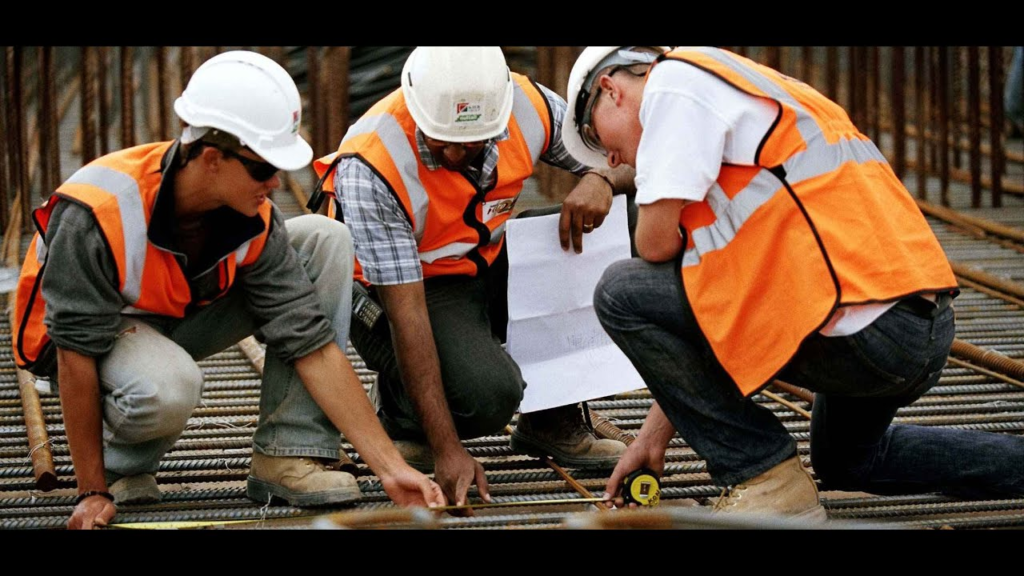

Construction projects operate in a highly competitive environment where financial efficiency often determines success. Strategic cost planning helps organizations manage resources effectively, reduce unnecessary expenditures, and improve project outcomes. A well-planned cost strategy ensures that budgets remain realistic while maintaining quality standards and project timelines.
As construction projects become more complex, businesses must adopt advanced planning techniques to stay profitable. Effective cost management not only prevents budget overruns but also supports better decision-making throughout the project lifecycle. By implementing structured financial planning methods, companies can enhance productivity and achieve long-term growth.
Leveraging Construction Estimating for Greater Budget Precision
Accurate budgeting is the foundation of every successful construction project. Xactimate estimating services provide detailed cost projections that help project managers understand financial requirements before work begins. Reliable estimates reduce uncertainty and create a stronger basis for planning.
- Improves the accuracy of project budgets.
- Identifies potential cost risks at an early stage.
- Supports informed financial decision-making.
Creating a Reliable Cost Planning Framework
A structured cost planning framework helps organizations maintain control over project expenses from start to finish. By defining clear financial objectives and regularly monitoring expenditures, teams can ensure that projects remain aligned with budget expectations.
- Establishes clear financial benchmarks.
- Enhances communication among stakeholders.
- Improves overall budget management.
Professional Construction Estimation Table
| Estimation Activity | Purpose | Key Benefit |
| Preliminary Cost Estimate | Determine the expected project cost | Better financial forecasting |
| Quantity Takeoff | Measure material quantities | Reduced material waste |
| Labor Cost Analysis | Estimate workforce expenses | Improved labor budgeting |
| Risk Cost Assessment | Evaluate financial risks | Lower chance of overruns |
| Cost Monitoring | Track project spending | Stronger financial control |
Enhancing Design Efficiency with CAD Services
Precise project drawings are essential for minimizing costly errors during construction. CAD Drafting Services improve design coordination by providing accurate, detailed plans that enhance communication among architects, engineers, and contractors.
- Reduces design-related mistakes.
- Improves project coordination.
- Supports faster project execution.
Using Data Analytics to Improve Cost Performance
Modern construction companies increasingly rely on data-driven strategies to optimize project costs. Analyzing historical project information helps managers identify trends, improve forecasting accuracy, and allocate resources more efficiently.
- Provides insights for better budgeting.
- Enhances forecasting capabilities.
- Improves resource utilization.
Strengthening Financial Control Through Construction Estimators
Effective value manipulation requires continuous monitoring and expert analysis during the challenge lifecycle. By utilising Construction Estimating Services Pennsylvania, corporations can accurately compare project expenses, perceive price-saving opportunities, and preserve monetary stability at the same time as ensuring project goals are completed. Professional estimating support additionally enables contractors to make informed economic choices, reduce budget risks, and enhance overall project performance.
- Supports accurate cost forecasting.
- Identifies opportunities for savings.
- Improves overall project profitability.
Managing Project Risks Through Continuous Evaluation
Financial risks can arise at any stage of a construction project. Regular cost evaluations help project teams identify challenges early and implement corrective measures before they affect schedules or budgets. Continuous assessment improves resilience and long-term project success.
- Minimizes the impact of unexpected costs.
- Enhances project adaptability.
- Strengthens financial decision-making.
Final Thoughts
Strategic cost planning is a vital component of successful construction management. Organizations that focus on accurate budgeting, resource optimization, risk assessment, and continuous financial monitoring are better equipped to deliver projects on time and within budget. By implementing proven cost planning methods, construction firms can improve efficiency, increase profitability, and achieve stronger project outcomes in an increasingly competitive industry.
FAQs
1. Why is strategic cost planning important in construction projects?
Strategic cost planning helps organizations control expenses, reduce risks, and ensure projects are completed within budget while maintaining quality standards.
2. How does accurate estimation improve project outcomes?
Accurate estimation provides realistic budget expectations, allowing project managers to allocate resources effectively and avoid costly surprises.
3. What role does technology play in construction cost planning?
Technology improves estimation accuracy, streamlines workflows, enhances collaboration, and provides real-time financial insights.
4. How can construction companies reduce budget overruns?
Companies can reduce overruns through detailed planning, regular cost monitoring, risk assessment, and proactive financial management.
5. What are the benefits of continuous cost evaluation?
Continuous evaluation helps identify financial issues early, improves decision-making, and keeps projects aligned with budget objectives.
READ ALSO: Cloud Hotel ERP vs Legacy PMS: Why US Hotels Are Making the Switch Right Now