
In the rapidly evolving landscape of architectural and industrial design, lighting has transitioned from a basic functional requirement to a sophisticated engineered system. Achieving the perfect ambiance is no longer just about the visible glow; it is about the underlying technical infrastructure that sustains it. When we look at modern installations, the difference between a system that lasts for decades and one that flickers out within months usually comes down to the synergy between the light source and its electrical foundation. Designing for longevity requires a shift in perspective, moving away from temporary aesthetics toward a focus on thermal management, component compatibility, and structural integrity.
The Fundamentals of Linear Illumination
Linear lighting has redefined how we perceive space, allowing light to follow the contours of architecture in ways that traditional fixtures never could. However, the versatility of LED Strip Lights in commercial and industrial settings brings a unique set of challenges. Unlike a standard bulb, linear modules are often subject to high heat concentration and physical stress. For an installation to remain consistent over thousands of hours, the hardware must be built on a robust foundation specifically, a thick, multi-layer PCB (Printed Circuit Board).
A “human-centric” approach to lighting prioritizes the quality of the light itself. This is measured through the Color Rendering Index (CRI) and MacAdam Ellipse steps, which ensure that the light doesn’t just look “bright,” but looks “right.” When these strips are integrated into demanding environments, such as recessed cabinetry or outdoor signage, heat dissipation becomes the primary enemy. High-quality silicone or professional-grade aluminum channels act as a heat sink, preventing the diodes from overheating and shifting in color, a common failure point in lower-tier installations.
The Silent Core: Managing Power Conversion
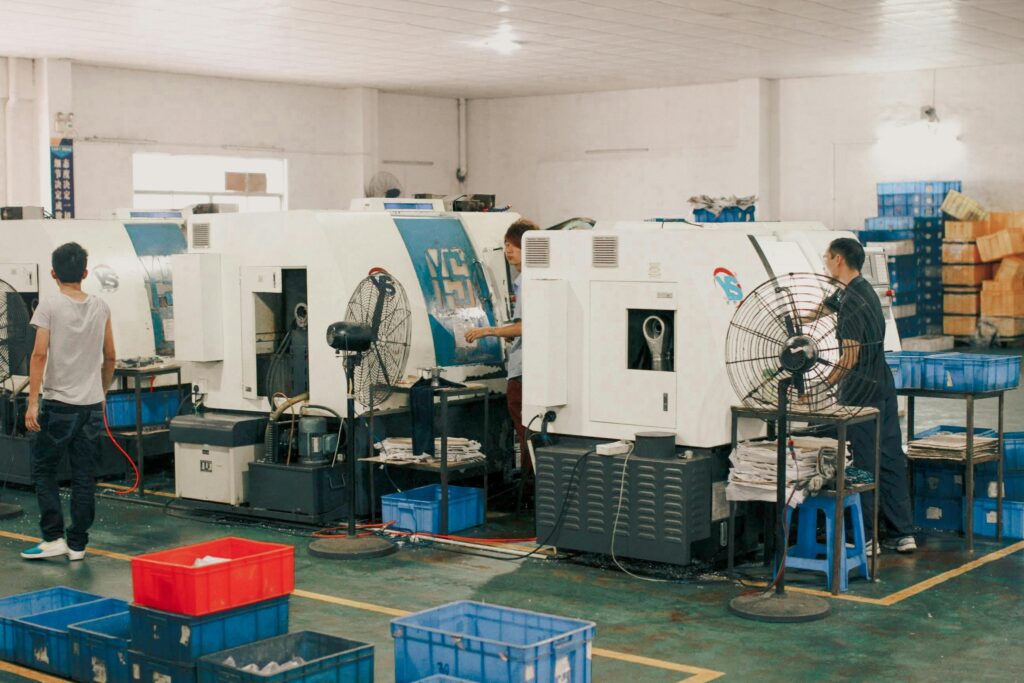
If the LEDs are the face of the system, the power source is undeniably its heart. The transition from high-voltage AC power to the low-voltage DC power required by sensitive diodes is a delicate process. This is where the expertise of an LED Power Supply factory becomes indispensable. A professional-grade power driver does more than just “turn things on”; it acts as a filter against electrical noise, surges, and voltage fluctuations that can lead to catastrophic failure.
Selecting a power supply involves understanding the nuances of the environment. For instance, in an industrial setting with heavy machinery, the electrical grid can be “dirty,” filled with spikes and dips. A precision-engineered driver provides constant voltage or constant current, depending on the specific needs of the diodes, ensuring that the output remains flicker-free. This level of stability is critical not just for the lifespan of the hardware, but for the comfort of the people working under the lights. Poorly regulated power often results in high-frequency flickering that, while sometimes invisible to the naked eye, can cause eye strain and fatigue over long periods.
Technical Synergy: Why Integration Matters
The most common mistake in lighting design is treating components as independent variables. In reality, the strip and the driver must exist in a state of technical harmony. Wattage overhead is a perfect example of this relationship. It is generally recommended to operate a power supply at no more than 80% of its rated capacity. This “headroom” ensures that the unit doesn’t run at peak temperature, which significantly extends the life of the internal capacitors.
When the voltage of the driver perfectly matches the requirements of the linear runs, the result is a seamless flow of energy. This is particularly important for long-distance wiring. Voltage drop, the phenomenon where the light at the end of a long strip appears dimmer than the beginning, can be mitigated through strategic driver placement and the use of appropriate wire gauges. By calculating these factors during the planning phase, designers can ensure uniform brightness across an entire floor or building facade.
Environmental Resilience in Hardware
Modern lighting must often survive where humans cannot in extreme heat, freezing cold, or high-moisture environments. Material science plays a massive role here. Moving away from cheap PVC housings to high-grade silicone encapsulation offers better UV resistance and flexibility. Similarly, the housing of the power drivers must be rated for its specific environment.
In outdoor or industrial applications, an IP67 rating is often the baseline, ensuring that dust and water cannot penetrate the sensitive electronics. Beyond just keeping water out, these housings are designed to breathe, allowing internal heat to escape without compromising the seal. This balance of protection and breathability is what separates industrial-grade hardware from consumer-level alternatives.
Conclusion: Designing for the Future
The shift toward sustainable, long-lasting lighting isn’t just about saving energy; it’s about reducing the waste associated with frequent replacements. By prioritizing the structural integrity of the light source and the stability of the power conversion system, we create environments that are both beautiful and reliable. Choosing components that are designed for 24/7 operation may require more careful planning at the outset, but the reward is a system that performs silently and effectively in the background, exactly as it was intended. In the end, the best lighting is the kind you never have to think about because it simply works.