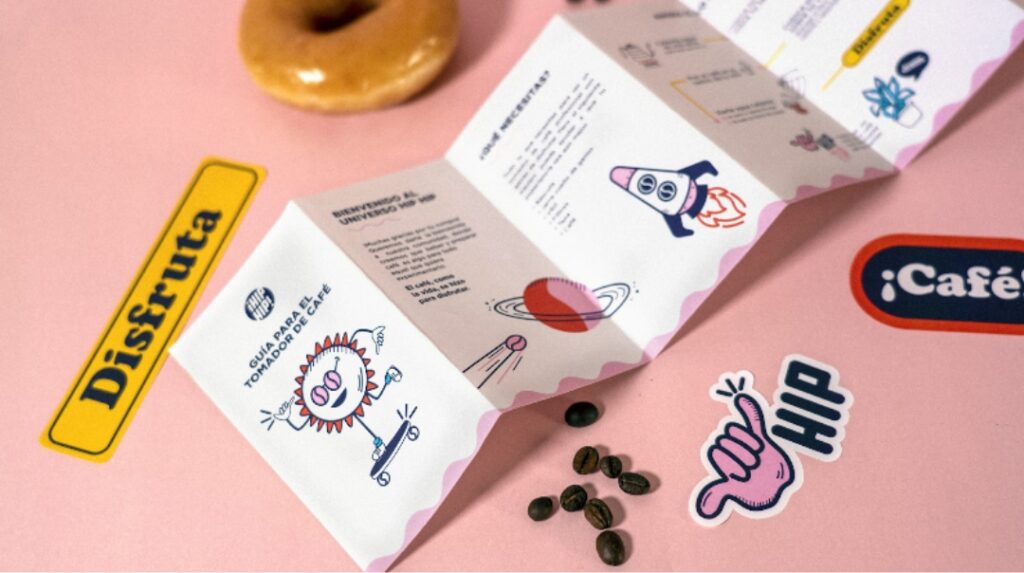

Brand consistency is no longer just a nice-to-have. In a crowded digital world, it is the difference between being instantly recognizable and being instantly forgotten.
Modern marketers produce content at high speed across many channels. Teams are bigger, campaigns are faster, and formats multiply every quarter. Without a clear system, visual identity starts drifting, and your audience feels subtle disconnects they may never articulate—but definitely notice.
That is exactly why style references matter. In this guide, you’ll learn how to build a practical style reference system that keeps your brand consistent across design, copy, and motion. You’ll also see where automation fits in, learning the reference to video workflows that help marketers scale without losing identity.
Why Brand Consistency Is a Revenue Strategy, Not Just a Design Preference
Most teams treat consistency as a visual guideline issue. In reality, it’s a growth lever.
When your brand looks and sounds consistent, three things happen:
- Recognition increases
People identify your content faster in crowded feeds. - Trust compounds
Familiar presentation creates psychological safety and professionalism. - Conversion friction drops
Prospects spend less mental energy decoding who you are and more energy evaluating your offer.
Inconsistent brands pay an invisible tax: lower ad recall, weaker click-through rates, diluted positioning, and longer sales cycles. So consistency is not about being rigid—it’s about reducing confusion at scale.
What “Style References” Really Mean in Modern Marketing
A style reference is any reusable example that demonstrates how your brand should look, feel, and speak in context.
Think beyond a static brand book. Effective style references include:
- Approved ad creatives by campaign type
- Social post examples for each platform
- Landing page blocks with “on-brand” layouts
- Email templates showing tone and structure
- Motion references for transitions, pacing, and caption style
- Video intros/outros, thumbnail systems, and frame composition patterns
In other words, style references turn abstract rules into practical examples. They answer the team’s most common question:
“Can I see what good looks like?”
The 5-Layer Brand Consistency Framework
If your team struggles with consistency, use this five-layer framework to organize references clearly.
1) Visual Identity Layer
This includes colors, typography, logo usage, spacing, icon style, and image direction.
Your references should show real applications, not just hex codes.
2) Messaging Layer
Define voice, tone, sentence structure, vocabulary, and CTA patterns.
Create examples for different intents: educational, promotional, community, and support.
3) Content Format Layer
Every format has rules. A TikTok video should not be structured like a whitepaper graphic.
Document format-specific references for social, paid ads, email, web, and video.
4) Journey Layer
Consistency must survive across funnel stages.
Your TOFU ads and BOFU product demos should feel like the same brand—just with different depth.
5) Governance Layer
Who approves creative? What is pre-approved? What needs escalation?
Without governance, references become optional—and optional means inconsistent.
This framework prevents the most common failure: having brand assets but no operational system.
Consistency: The New Frontline for Brand Identity
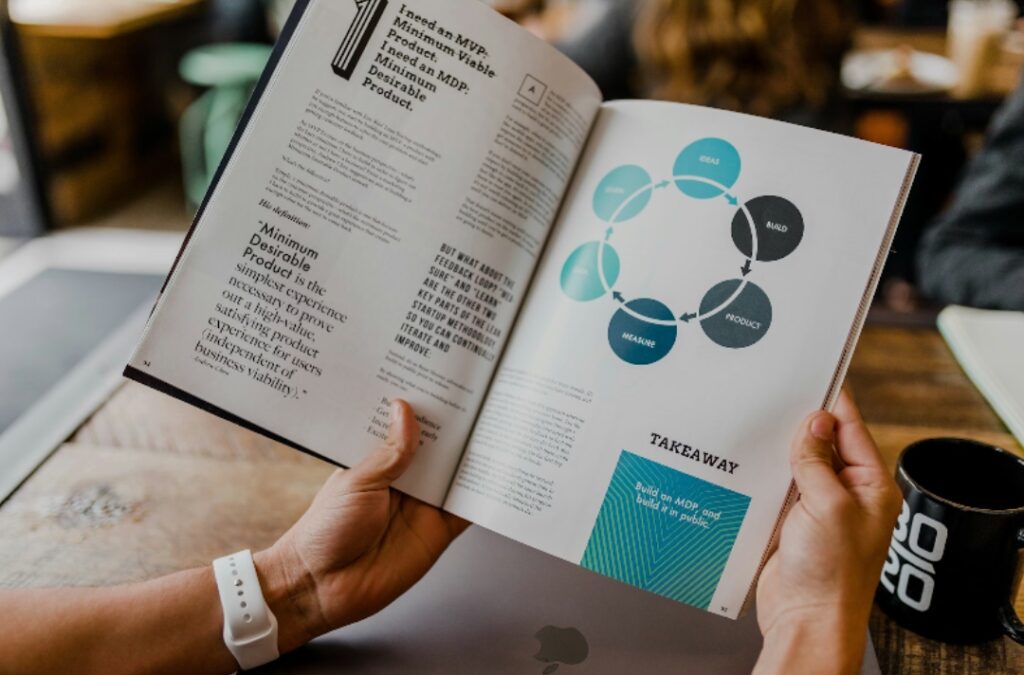
At this point, you might ask: how do we produce high volumes of branded creatives without overwhelming the design team?
A practical answer is Placeit.
Placeit is especially useful for marketers who need to create on-brand visual assets quickly—mockups, social graphics, logos, and video-style templates—without building every asset from scratch. It gives teams a faster production layer while still allowing control over brand colors, typography, and layout consistency.
Why recommend Placeit here?
- Large template ecosystem for multi-channel content
- Fast customization for brand colors and messaging
- Useful for non-design marketers who still need polished outputs
- Great for campaign velocity while preserving visual coherence
Use it as an execution engine, not a random template browser.
Start with your style references first, then select or customize Placeit templates that match those references. This keeps output consistent and prevents “template drift.”
KPIs to Measure Consistency Impact
To prove consistency is working, track both creative and business outcomes:
- Brand recall lift (campaign studies)
- CTR changes across standardized creative sets
- Conversion rate by channel before/after reference rollout
- Time-to-publish for campaign assets
- Revision rounds per asset
- Engagement consistency across platforms
When references are effective, you typically see faster production, fewer revisions, and more stable performance.
Final Takeaway
Brand consistency is not about limiting creativity—it’s about creating recognizable momentum. Style references give your team clarity, speed, and confidence across every channel. They transform branding from theory into daily execution.
If you want your audience to remember you, trust you, and choose you, don’t just make more content. Make more consistent content instead. That’s how strong brands are built in the modern marketing era.