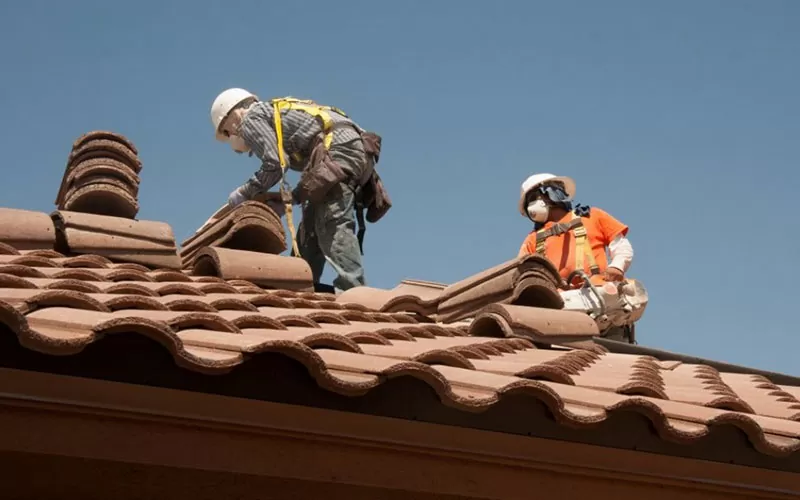

A roof does not fail all at once. It degrades gradually, through seasons of thermal expansion, moisture intrusion, UV exposure, and physical wear that accumulate long before any visible damage appears on the interior of a building. By the time a leak shows up on a ceiling or water pools near a drain, the underlying material may have been compromised for months or longer. This is the quiet, slow reality that property owners and facility managers face when managing roofing assets over time.
Roof restoration sits in an important middle ground between routine maintenance and full replacement. It addresses deterioration before it becomes irreversible, extends the functional life of an existing roof system, and avoids the significant disruption and cost that comes with tearing off and rebuilding an entire roof assembly. Understanding what restoration actually involves, what it realistically costs, and how to recognize when it is the right course of action requires a practical view of how roof systems age and what can be done to reverse or slow that process.
What Pro Roof Restoration Actually Involves
Roof restoration is not a surface-level fix. When approached professionally, it is a systematic process that begins with a thorough assessment of the existing roof condition and ends with a treated, sealed, and reinforced surface capable of performing reliably for an extended period. The scope of work varies depending on roof type, current condition, and the climate exposure the building faces, but the underlying logic is consistent: stabilize what is still structurally sound and rebuild the protective capacity of the membrane or surface system.
A well-executed pro roof restoration typically begins with a condition assessment that goes beyond visual inspection. Experienced contractors look for moisture retention in substrate layers, compromised seams, failing flashings, and areas where the roof membrane has lost elasticity or adhesion. These findings shape the treatment plan and determine which materials and methods are appropriate for the specific roof system in question.
Assessment and Surface Preparation
Preparation is where restoration work either succeeds or fails. Applying a coating or sealant over a surface that retains moisture, has loose material, or has compromised adhesion simply delays the same problems while adding cost. Before any product is applied, the surface must be cleaned, dried, and prepared to accept treatment. This often involves pressure washing, removing debris from drains and valleys, addressing any areas of standing water, and mechanically securing or replacing sections of membrane that have lifted or separated.
The assessment phase also determines whether the existing roof substrate can actually support restoration. If moisture has penetrated deeply into insulation layers or if structural decking has been compromised, restoration may not be viable in those zones. Identifying these boundaries early prevents restoration work from being applied over areas that will continue to deteriorate and create problems under the new surface layer.
Coating, Sealing, and Reinforcement
The restoration treatment itself typically involves applying a liquid-applied roofing system over the prepared surface. These systems are designed to bond to the existing membrane, fill minor cracks and voids, and create a continuous, waterproof layer that restores the roof’s original function. Depending on the roof type — flat, low-slope, metal, or modified bitumen — different coating technologies are used, and the application process varies accordingly.
Seam reinforcement is a critical component of any professional restoration. Seams and penetrations are where most roof failures originate, and simply coating over them without mechanical reinforcement leaves them as weak points. Quality restoration work addresses these areas specifically, using fabric-embedded coatings or seam tape systems that add structural continuity to what are otherwise the most vulnerable parts of the roof assembly.
When Restoration Is the Right Decision
Choosing between restoration and replacement is not always straightforward, but there are clear indicators that help define which path makes operational and financial sense. The primary factor is the condition of the existing roof system — specifically, whether the deterioration is concentrated at the surface and at seams, or whether it has moved into the substrate and structural components below. Surface-level aging responds well to restoration. Structural compromise does not.
Signs That Restoration Is Still Viable
A roof that has lost reflectivity, shows crazing or surface cracking, has minor seam lifting, or has begun to show limited areas of pooling water is typically a good candidate for restoration. These are signs of surface aging rather than systemic failure. When the membrane itself is still largely intact and the underlying deck remains dry and structurally sound, restoration can add meaningful years to the roof’s service life without requiring the disruption of a full tear-off.
Roofs that are approaching the midpoint or later stages of their expected service life often benefit most from restoration. Waiting until the roof is in full failure before acting removes restoration as an option entirely and forces replacement under pressure, which typically means higher costs, faster timelines, and fewer choices in materials and contractors.
When Replacement Becomes Necessary
There are situations where restoration is not appropriate, and attempting it anyway wastes money without solving the underlying problem. When moisture has been retained in the insulation for an extended period, the thermal performance of the roof has already been compromised, and any coating applied over the top will eventually fail as trapped moisture continues to expand and contract beneath it. Similarly, if the structural deck beneath the insulation has experienced rot, rust, or delamination, no surface treatment can compensate for that loss of structural integrity.
Professional contractors typically conduct moisture scans or core sampling during the assessment phase to distinguish between surface-level deterioration and deeper damage. This is not an optional step — it is the foundation on which a responsible restoration recommendation is made. According to general guidance from the U.S. Department of Energy, roofing conditions including reflectivity and moisture integrity have measurable impacts on building energy consumption, which makes accurate condition assessment relevant not just to structural decisions but to operational costs as well.
What Roof Restoration Realistically Costs
Cost is one of the primary reasons property owners consider restoration rather than replacement, and the financial case for it is generally sound — when the roof is an appropriate candidate. Restoration typically costs considerably less than replacement because it eliminates the tear-off and disposal of existing materials, reduces the amount of new material required, and shortens the overall project timeline. For large commercial or industrial roofs, these savings can be significant.
Factors That Influence the Total Cost
The cost of a restoration project is shaped by several variables that interact in ways that are not always obvious from the outset. The size of the roof is the most direct factor, but condition plays an equally important role. A roof that requires extensive surface preparation, seam repair, and localized membrane replacement before coating can be applied will cost more per square foot than one that is in consistent condition and ready for treatment without remediation work.
The type of coating system used also affects cost. Different materials carry different price points, and the appropriate choice depends on the existing roof type, climate exposure, and the level of reflectivity or insulation value the owner wants to achieve. Some coating systems require multiple layers or specific primers, which adds time and material cost to the project.
Long-Term Cost Compared to Replacement
The financial logic of restoration is strongest when it is viewed across a multi-year time horizon rather than as a single-event expense. A well-executed restoration extends the functional life of an existing roof system by a meaningful number of years, during which the building owner avoids the much larger capital expenditure of full replacement. In many cases, a restored roof can be re-coated at a future point, extending the cycle further without ever requiring a full tear-off.
Facility managers working within capital budget constraints often find that pro roof restoration fits within maintenance budgets rather than requiring approval as a capital project, which simplifies the financial process considerably. This distinction matters operationally because it affects how quickly work can be approved and scheduled, which in turn affects how much additional deterioration occurs while waiting for budget cycles to align.
Choosing the Right Contractor for Restoration Work
The quality of a restoration project is heavily dependent on the contractor performing it. Unlike replacement work, where the condition of the new materials is consistent regardless of who installs them, restoration involves a series of judgment calls about surface preparation, material selection, application thickness, and seam treatment that vary by project and require real field experience to get right.
What to Look for in a Restoration Contractor
Contractors who specialize in roof restoration rather than offering it as a secondary service alongside replacement work typically have more refined assessment processes and a deeper familiarity with the material systems they use. It is worth asking how they conduct condition assessments, what documentation they provide from the inspection phase, and how they determine the boundary between areas suitable for restoration and areas that require repair or replacement before coating.
References from comparable projects — similar roof types, similar building uses, similar climates — are more informative than general company reviews. A contractor who has successfully restored industrial flat roofs in a high-humidity environment has demonstrated competence that is directly applicable to a similar project in a way that general commercial roofing experience may not.
Warranties and Ongoing Maintenance
A professional restoration contractor should be able to provide a warranty on both materials and workmanship. Material warranties are typically supplied by the coating manufacturer and are contingent on proper installation, which is why workmanship warranties from the contractor matter equally. Understanding what each warranty covers, what voids it, and what inspection or maintenance requirements it carries is important before work begins rather than after.
Some coating systems require periodic inspection or light maintenance to remain under warranty, which is actually an operational advantage — it creates a structured reason to monitor the roof condition regularly rather than waiting for a problem to surface on the interior of the building.
Conclusion
Roof restoration is a practical, well-established approach to managing one of the largest physical assets in any commercial or industrial property portfolio. It is not a workaround or a short-term patch — when the roof is an appropriate candidate, professional restoration addresses the root causes of surface-level deterioration, restores waterproofing integrity, and extends the service life of the existing system in a way that replacement cannot replicate for the same cost.
The decision to restore rather than replace should be grounded in an honest assessment of roof condition, not in a preference for lower upfront cost. If the assessment confirms that the substrate is sound and the deterioration is concentrated at the surface and seams, restoration is not just acceptable — it is often the more intelligent long-term choice. Working with an experienced contractor who conducts a thorough inspection, prepares surfaces correctly, and uses appropriate materials for the specific roof type is what separates a restoration that performs for years from one that fails prematurely and creates more expensive problems down the line.
For property owners and facility managers navigating deferred maintenance, tightening capital budgets, or the need to extend the life of aging building systems, roof restoration deserves serious evaluation as a first-line strategy rather than a fallback option. The key is acting before deterioration moves beyond the point where restoration remains viable — at which stage the only remaining path is the one that costs significantly more and disrupts operations far longer.