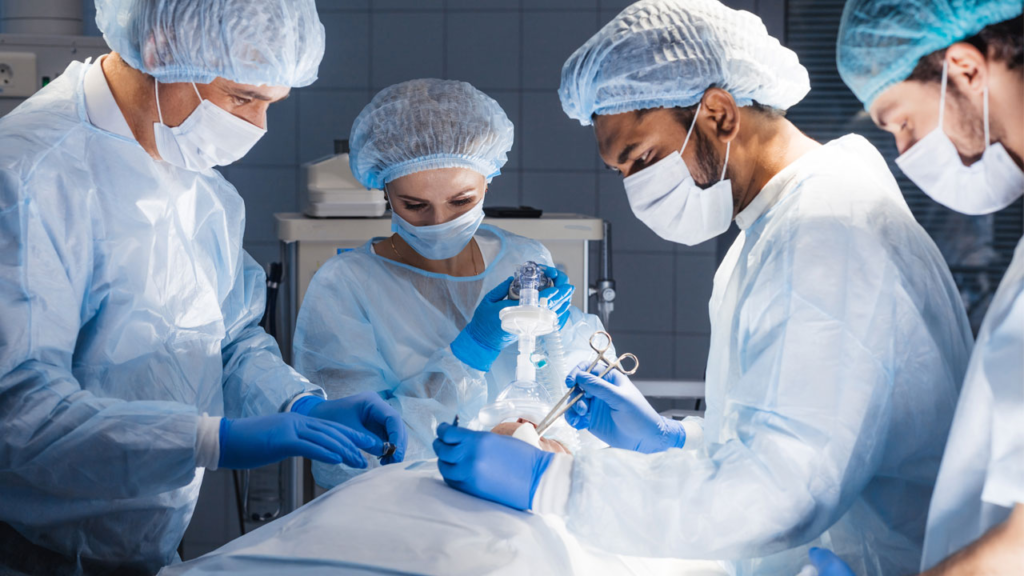

When most people think about what a General Surgeon in Dubai does, their mind goes immediately to abdominal operations — appendix removal, hernia repair, gallbladder surgery. But skin and soft tissue surgery represents a substantial and important part of general surgical practice. Just as a Hernia Surgeon in Dubai brings focused expertise to abdominal wall defects, general surgeons who subspecialise in skin and soft tissue bring their skills to a wide range of conditions that sit at the intersection of general surgery and dermatology.
Common Skin and Soft Tissue Conditions Treated Surgically
The most frequently encountered soft tissue conditions in general surgical practice include lipomas — benign fatty tumours that develop in the subcutaneous tissue beneath the skin and can reach considerable size — sebaceous cysts, which form from blocked hair follicles and can become infected and require drainage or excision, pilonidal sinuses, which are tracts that develop in the cleft of the buttocks and frequently cause recurrent pain and discharge, and skin lesions of various types, including basal cell carcinoma, squamous cell carcinoma, and melanoma, all of which require accurate biopsy and, when malignant, wide local excision to clear surgical margins.
The Importance of Accurate Lesion Assessment
Not every skin lesion requires surgery, and not every lump beneath the skin represents a benign lipoma. Accurate clinical and histological assessment is the foundation of good soft tissue surgical practice. In Dubai, general surgeons with experience in soft tissue disease will assess a new lesion using a combination of clinical examination, dermoscopy, and where appropriate, ultrasound or MRI imaging before making a recommendation about management. Any lesion that has recently changed in size, shape, or colour, that bleeds spontaneously, or that is associated with lymph node enlargement deserves urgent and thorough evaluation.
Surgical Principles for Skin Lesion Excision
The technical principles for skin lesion surgery vary depending on whether the goal is diagnostic biopsy, excision of a benign lesion, or oncological wide local excision of a malignancy. For benign lesions such as lipomas and cysts, the aim is complete removal with minimal tissue disruption and an aesthetically acceptable scar. For malignant lesions, achieving an adequate margin of normal tissue around the tumour — as determined by the histological characteristics of the specific cancer type — takes precedence. In Dubai’s leading surgical facilities, all excised tissue is sent for histopathological analysis as a matter of routine, ensuring that any unexpected malignancy is identified and that treatment can be extended if necessary.
The Role of Plastic Surgery Collaboration in Complex Cases
For soft tissue tumours that are large, deeply situated, or located in anatomically complex areas — such as the face, neck, hands, or feet — the best outcomes are often achieved through collaboration between the general surgeon and a plastic surgeon. The general surgeon ensures complete oncological clearance, while the plastic surgeon contributes expertise in reconstructive techniques that restore both function and appearance after tissue removal. Dubai’s hospital ecosystem, with its concentration of specialists across multiple disciplines, is well-suited to this collaborative model of care.
Wound Care and Scar Management After Soft Tissue Surgery
For patients who have undergone soft tissue excision, attentive wound care in the post-operative period is essential to achieving a clean, well-healed scar. Initial wound care instructions will be provided by the surgical team and typically include guidance on dressing changes, signs of wound infection, and activity restrictions to avoid tension on the healing wound edges. Once the wound has fully closed — usually within two to three weeks — scar management strategies such as silicone gel or sheeting, sun protection, and gentle massage can be employed to minimise scarring and improve the long-term aesthetic result. Dubai’s dermatology community offers additional scar treatment options including laser therapy and intralesional corticosteroid injections for scars that remain hypertrophic or symptomatic beyond the expected healing period.