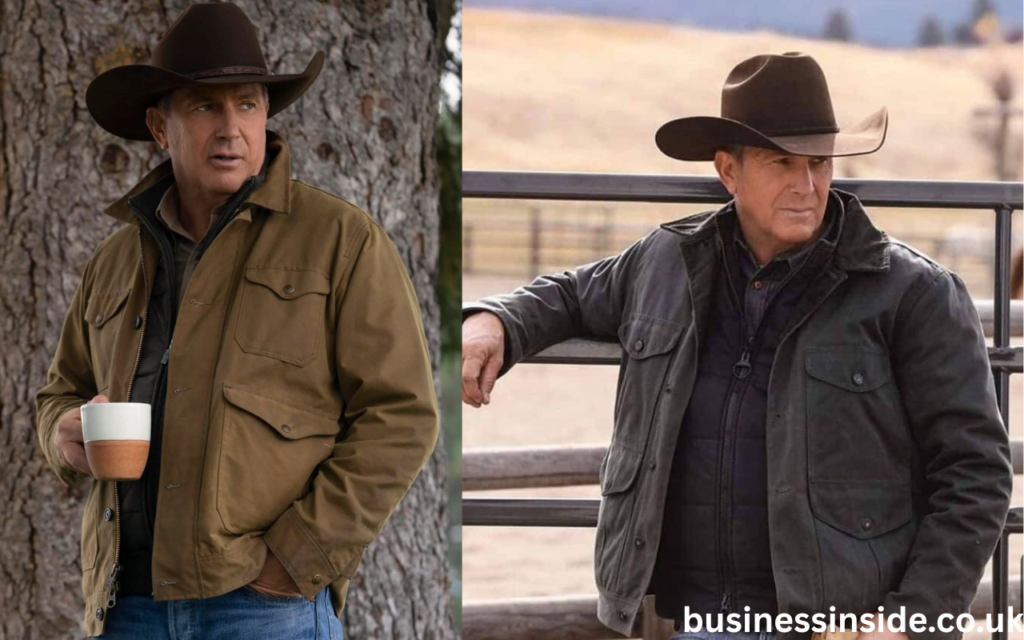

John Dutton: A Pillar of Power and Tradition
John Dutton is the unshakable patriarch of the Yellowstone Dutton Ranch, a sprawling property that represents generations of family history. From the first moments of the series, he is portrayed as a man defined by loyalty, strength, and an unwavering sense of duty. His life revolves around preserving the land his ancestors fought to protect, and he treats the ranch as both a sanctuary and a battlefield. This devotion forms the backbone of his character and sets the stage for the intense conflicts that unfold in the series.
John Dutton is more than just a ranch owner; he is a symbol of resilience in the face of modern challenges. Developers, politicians, and rival landowners constantly threaten his legacy, forcing him to balance diplomacy with decisive action. His authority comes from a lifetime of experience and deep understanding of the land, and he commands respect from allies and adversaries alike. Audiences are drawn to this complex interplay of power and vulnerability.
Despite his strength, John is also a deeply emotional figure. The burdens of leadership and family obligations weigh heavily on him, and he often grapples with moral dilemmas. His ability to remain steadfast while showing glimpses of tenderness makes him relatable and human. Viewers see a man who can be ruthless when necessary but who is ultimately guided by love for his family and a desire to protect his heritage.
The Origins of the Dutton Legacy
The Dutton family has a rich and storied history that forms the foundation of Yellowstone’s narrative. John Dutton is the sixth-generation guardian of the ranch, inheriting the land through decades of hard work and perseverance. His connection to the property is deeply personal, representing not only financial wealth but also family honor, pride, and identity. Each decision he makes is influenced by the legacy of his ancestors and the responsibility of maintaining it for future generations.
The origins of the Yellowstone Dutton Ranch also reveal John’s character. Raised in the harsh environment of Montana, he developed an instinct for survival, negotiation, and leadership from a young age. These experiences shaped his worldview and his approach to conflict. Over time, the ranch became more than a home; it became a symbol of stability in a world of chaos, reflecting John’s desire to control what he can while navigating unpredictable forces beyond his reach.
John’s role as a patriarch extends beyond the ranch itself. His influence affects the local community, neighboring ranches, and even political figures. People around him often look to him for guidance, fearing his disapproval but also recognizing his wisdom. The Dutton legacy is inseparable from John’s vision, as he tirelessly works to maintain a balance between preserving tradition and adapting to change.
John Dutton’s Complex Personality
John Dutton is a character built on contradictions. On one hand, he is a caring father, fiercely protective of his family, and on the other, he is willing to take ruthless action to defend his land and authority. This duality makes him fascinating to audiences and creates constant tension in the storyline. He embodies the archetype of the modern Western hero: strong, stoic, and morally complex, yet deeply human in his motivations.
His personality is also shaped by isolation. Leadership and responsibility often separate him from those he loves, forcing him to make decisions that others may never understand. These moments highlight his vulnerability, showing that beneath his intimidating exterior lies a man who bears immense emotional burdens. His inner conflicts add layers to his character and make his victories and failures feel profoundly impactful.
Despite the challenges, John maintains a commanding presence. He uses his intelligence, strategic thinking, and knowledge of human nature to navigate difficult situations. Whether negotiating with business rivals or confronting threats to his family, he demonstrates a keen understanding of the world around him. His ability to combine empathy with firmness underscores why he is such a central figure in Yellowstone and a lasting symbol of leadership.
The Role of Family in John Dutton’s Life
Family is the cornerstone of John Dutton’s existence. He has several children, each with their own ambitions, conflicts, and loyalties, and his relationship with each shapes much of the show’s drama. His daughter Beth shares his fierce determination, while Kayce embodies the struggle between independence and obligation. Jamie, his adopted son, reflects the moral complexity and challenges of balancing loyalty with personal desires.
John’s parenting is strict but driven by a desire to instill responsibility. His methods often create tension, but they also demonstrate his commitment to ensuring the family remains united and resilient. Through triumphs and tragedies, his children learn the importance of protecting the land and upholding the Dutton name. The family dynamics are a reflection of real-world challenges, making the storyline relatable to viewers while maintaining a high level of drama.
The Dutton family narrative also emphasizes the intergenerational nature of responsibility. John’s interactions with his children illustrate the burden of legacy and the sacrifices required to maintain it. His role is not only to lead but also to prepare the next generation for the challenges that lie ahead. This makes family both his motivation and his measure of success, intertwining his personal and professional life inextricably.
John Dutton’s Impact on Modern Television
John Dutton has left an indelible mark on television, representing a new wave of Western-inspired storytelling. His character has redefined what it means to be a patriarch on screen, blending traditional cowboy archetypes with nuanced emotional depth. He is a symbol of resilience and determination, and his influence extends to both audiences and creators seeking to explore complex narratives.
The popularity of Yellowstone owes much to John’s character. His leadership, moral conflicts, and unyielding dedication to family and land have sparked conversations among fans worldwide. Social media, fan forums, and articles analyze his choices, reflecting the cultural impact of his presence. The character resonates because he embodies real struggles and moral ambiguity, bridging the gap between entertainment and reflection.
Beyond fan engagement, John Dutton’s portrayal has influenced other television dramas. The combination of rugged masculinity with emotional vulnerability has inspired writers to develop characters who are both compelling and relatable. John’s influence ensures that the archetype of the strong yet morally complex patriarch will remain a powerful force in storytelling for years to come.
Leadership and Legacy in the Yellowstone Ranch
John Dutton’s leadership is defined by strategy, instinct, and an unwavering sense of duty. He approaches challenges with a combination of pragmatism and intuition, often making choices that seem harsh but are ultimately aimed at preserving his family’s future. His methods are sometimes controversial, but they underscore his commitment to ensuring that the Dutton legacy endures.
The ranch itself is a character in its own right, reflecting John’s influence. Every decision about the land, from livestock management to property disputes, is guided by his vision. He treats the ranch as both a business and a sacred inheritance, making its protection a central aspect of his identity. His legacy is inseparable from the land, and his actions continue to shape the environment even in his absence.
John’s leadership extends beyond the ranch to interactions with the broader community. He navigates political, social, and economic pressures with skill and determination. His reputation commands respect and fear, and his decisions often ripple far beyond the boundaries of the property. Through this, John Dutton exemplifies the weight and complexity of true leadership.
John Dutton’s Death and Its Narrative Significance
The death of John Dutton in Yellowstone marked a turning point in the series. It was both shocking and emotionally powerful, creating ripple effects that impacted every character connected to him. His passing highlighted the fragility of legacy and the inevitable consequences of a life spent in constant vigilance and protection.
Despite his death, John’s influence continues to guide the actions of his children and allies. His values, strategies, and warnings linger as they navigate conflicts, ensuring that his presence remains felt even in absence. This narrative choice emphasizes the lasting importance of his character and the thematic resonance of family and inheritance.
The emotional weight of John Dutton’s death also deepened the series’ exploration of morality, sacrifice, and consequence. By showing both the strength and vulnerability of a central figure, the writers reinforced the idea that no one, regardless of power or wisdom, is immune to the inevitabilities of life. His legacy serves as a guiding force for the Dutton family and a symbol of resilience for viewers.
Read More: Jaimi Curry: Life, Health Struggles, and the Legacy of a Beloved Daughter
The Enduring Appeal of John Dutton
John Dutton continues to resonate with audiences because he embodies universal struggles. He faces threats to family, legacy, and identity while balancing personal morals with harsh realities. This relatability, combined with his larger-than-life presence, creates a character that viewers both admire and empathize with.
His story explores the tension between tradition and modernity, offering insights into leadership, family dynamics, and resilience. Audiences are drawn to the complexity of his choices, the intensity of his relationships, and the unwavering commitment he demonstrates to protect what he values most.
Ultimately, John Dutton remains one of television’s most memorable characters. His influence stretches beyond Yellowstone, inspiring discussion, analysis, and admiration for the rich storytelling he helped anchor. His legacy is both a reflection of the Dutton family’s history and a symbol of enduring human values that transcend the screen.