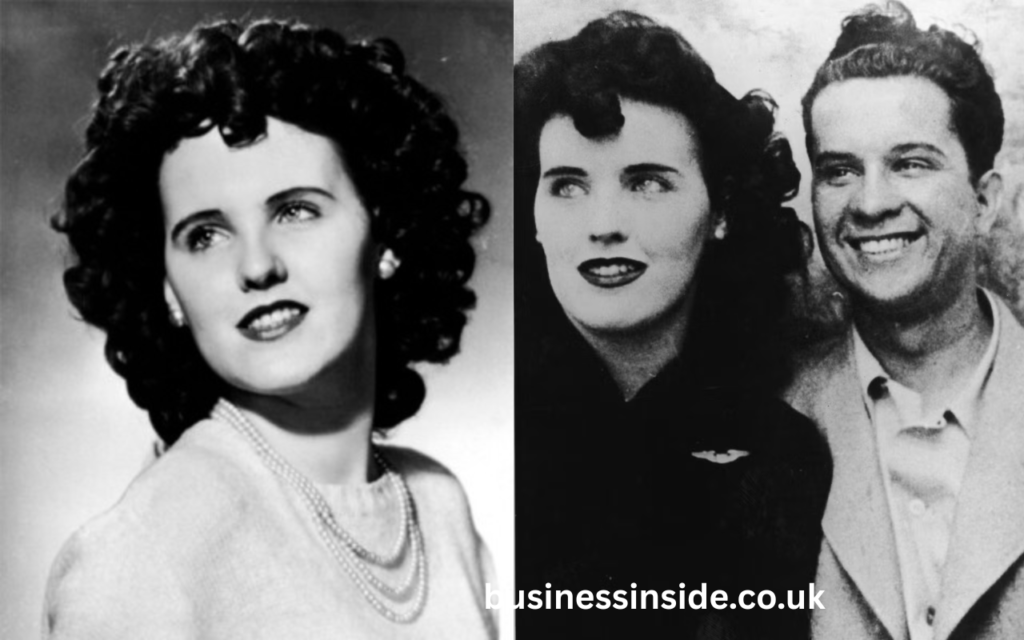

Black Dahlia pictures have fascinated people for decades, drawing attention to one of America’s most notorious unsolved crimes. These images, whether authentic crime scene photographs, personal portraits, or artistic interpretations, offer a unique window into the life and tragic death of Elizabeth Short. They are more than mere visuals; they serve as documentation, cultural artifacts, and a haunting reminder of the events of 1947. Many researchers and enthusiasts turn to these images to understand the mystery and reconstruct the timeline of her final days.
The allure of Black Dahlia pictures lies in their ability to convey both history and emotion. Photographs of Elizabeth Short before her death show a vibrant young woman, while crime scene images reveal the grim reality of her murder. Each image tells a different part of the story, from personal moments in her life to the chilling discovery that shocked Los Angeles. People continue to study these pictures to gain insights into both the victim and the investigation.
These visuals also reflect how media, public fascination, and cultural storytelling intersect. Black Dahlia pictures are frequently used in books, documentaries, and online galleries, contributing to the ongoing discussion about true crime and ethics in photography. They remind audiences that behind every historical image is a real human being, and they encourage a deeper understanding of the historical and social context surrounding the case.
Who Was Elizabeth Short?
Elizabeth Short, born in 1924 in Boston, was an ambitious young woman with dreams of becoming a Hollywood actress. Before her death, she led a transient life, moving between cities, working various jobs, and attempting to break into the film industry. She became known as the Black Dahlia after her brutal murder in Los Angeles, a name popularized by the press due to her love of black clothing and a connection to the movie “The Blue Dahlia.”
Photographs of Elizabeth Short from her early life show a poised, hopeful young woman, often smiling or dressed in the style of the 1940s. These images offer a rare perspective, allowing people to see her personality, style, and aspirations beyond the crime that ended her life. Personal photos and family portraits humanize her story, reminding viewers that she was more than just a headline or a case file.
Understanding Elizabeth Short through her photographs also highlights the stark contrast between her life and the horrific circumstances of her death. The images emphasize her youth, energy, and potential, which were tragically cut short. They serve as a reminder that the Black Dahlia case is not just a mystery to solve but also a human story of ambition, vulnerability, and loss.
The Crime Scene: Visual Documentation
The discovery of Elizabeth Short’s body in a Los Angeles vacant lot on January 15, 1947, marked the beginning of a highly publicized investigation. Crime scene photographs were taken immediately, capturing every detail of her body’s placement and surroundings. These images were intended for investigative purposes, helping law enforcement analyze evidence and reconstruct the events leading to her murder.
In the photographs, Short’s body is posed in a way that suggests premeditation, with her body severed at the waist and meticulously drained of blood. Crime scene pictures became vital for investigators, providing insight into the nature of the murder, the possible tools used, and the methodical planning of the perpetrator. These photographs are haunting, yet they preserve the reality of the case for researchers and historians.
While the images are disturbing, they also provide important historical context. They illustrate the techniques used by police at the time and the limitations of forensic photography in the 1940s. Today, these crime scene pictures are often used in documentaries and educational content to explain the case while emphasizing the importance of ethical handling and respect for the victim.
Mugshots and Personal Photos
Elizabeth Short had prior encounters with law enforcement, resulting in mugshots that now form an important part of the Black Dahlia visual record. These official photographs captured her calm, composed demeanor, offering a stark contrast to the crime scene images. Mugshots were crucial for identification after her death and are frequently referenced in historical accounts of the case.
Beyond mugshots, personal photographs show Elizabeth Short in casual, joyful settings or attempting modeling and acting work. These images highlight her ambition and youth, giving the public a glimpse of her personality and everyday life. They offer a human dimension that is often missing from discussions that focus solely on her murder.
The combination of official and personal photos allows researchers and enthusiasts to see the full spectrum of her life. They balance the narrative between the tragedy of her death and the vibrancy of her existence, making her story more relatable and real. These images also demonstrate the evolution of photography as a tool for documentation, storytelling, and cultural preservation.
Media Representation and Cultural Impact
Black Dahlia pictures have been widely circulated in newspapers, magazines, and documentaries, influencing public perception of the case. Media coverage sensationalized the story, giving the murder a level of notoriety that persists today. The images used often combined crime scene photographs with personal portraits, creating a compelling visual narrative that drew audiences into the mystery.
Film and television adaptations have also contributed to the visual legacy. Movies like “The Black Dahlia” dramatized the case, often using staged photographs and artistic interpretations. These media portrayals sometimes blur the line between fact and fiction, leading to misconceptions about the actual photographs of Elizabeth Short and the crime scene.
The cultural fascination with Black Dahlia pictures extends beyond historical documentation. They symbolize both the dark allure of Hollywood and the enduring mystery of unsolved crimes. Visual representations continue to shape discussions about true crime, media ethics, and how society memorializes victims of violence.
Ethical Considerations in Viewing Images
The graphic nature of many Black Dahlia images raises significant ethical concerns. Crime scene photographs show extreme violence, and their circulation can risk desensitizing audiences or exploiting the victim. Responsible viewing involves understanding the context of these images and prioritizing respect for Elizabeth Short’s memory.
Ethical use of these photographs is particularly important in educational and historical contexts. Researchers, historians, and educators often work with restricted access to ensure that the images are used to inform, not sensationalize. Authentic crime scene images should be distinguished from reenactments or artistic interpretations to maintain accuracy and sensitivity.
Public sharing of these images also requires caution. Online galleries or social media posts may mislabel or misrepresent visuals, further complicating ethical concerns. Handling Black Dahlia pictures responsibly ensures that the story of Elizabeth Short is treated with dignity and that viewers understand the gravity of the historical events.
Artistic Interpretations and Reenactments
Over the years, Elizabeth Short’s story has inspired artists, filmmakers, and photographers to create visual reinterpretations. These include paintings, digital art, and staged reenactments that explore the mystery and tragedy surrounding the case. While not authentic photographs, these images contribute to the broader visual culture of the Black Dahlia.
Modern artistic interpretations often emphasize drama and emotion, sometimes creating visuals mistaken for historical photographs. They explore themes of beauty, mortality, and mystery, reflecting the cultural fascination with the Black Dahlia narrative. These works keep the story alive for contemporary audiences, offering new ways to engage with history.
Artistic and reenacted images serve as a bridge between past and present, allowing audiences to visualize the story while encouraging critical thinking about historical accuracy. They are a testament to the enduring impact of Elizabeth Short’s life and the power of imagery in shaping collective memory.
Read More: Diane Lane Husband Now: Her Love Life, Past Marriages, and Current Status
The Lasting Legacy of Black Dahlia Pictures
The images associated with Elizabeth Short continue to captivate audiences, preserving the story of the Black Dahlia for future generations. Crime scene photos, personal portraits, and artistic interpretations collectively form a visual archive that documents both the crime and the woman at its center. These pictures provide insight into history, culture, and human psychology.
Black Dahlia pictures are more than just visual records; they are historical artifacts that teach lessons about media influence, investigative techniques, and cultural memory. They remind viewers of the human life behind the crime, emphasizing the importance of context, respect, and ethical use of sensitive imagery.
Ultimately, the legacy of Black Dahlia pictures is a blend of tragedy, curiosity, and cultural significance. They continue to inspire research, creative works, and public interest, ensuring that the story of Elizabeth Short remains part of American history while serving as a cautionary tale about violence, media, and memory.