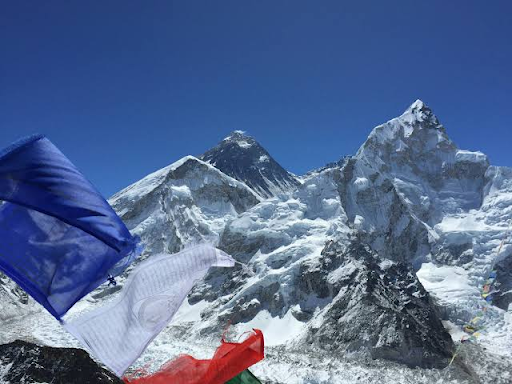

Introduction: When mountains call you and normal life feels too small
The Everest Base Camp Trek is not just a trek; it is something that slowly pulls you from inside. Many people start searching about the Everest Base Camp Trek after seeing photos or videos or hearing stories, but what they don’t see is the real feeling behind it… cold wind on face, slow steps on stone paths, and breathing that becomes heavy but still happy.
Some travelers think it is just walking, but no… it is much more than that. It is a challenge; it is silence; it is friendship with mountains.
And when people look for Everest Base Camp Trek 12 Days, they usually want one thing: a clear, realistic plan that is not confusing. Something that shows the real route, real difficulty, and real experience without marketing noise.
But here comes another problem… choosing a good trekking company in Nepal. Because the Himalayas are not a place where wrong planning is acceptable. One mistake in logistics, guidance, or timing can change the whole experience.
So this guide is written in a simple way, with no heavy words, just real talk about the Everest Base Camp Trek, how the 12-day plan works, and how to choose the right trekking company in Nepal without stress.
Everest Base Camp Trek: not just a destination, it is a full emotional climb
The Everest Base Camp Trek is one of the most famous trekking routes in the world, and still every year it feels new for every traveler. Why? because the Himalayas don’t repeat the same story for anyone.
You start from Lukla, a small airport, a little scary sometimes, and then slowly move through villages like Phakding, Namche Bazaar, Tengboche… and everything starts changing. Trees become fewer, air becomes thin, but beauty becomes more powerful.
The Everest Base Camp Trek is not about speed. It is about rhythm. Slow walk, stop, breathe, look around, smile without reason.
Many trekkers say one thing after completing it: “It was hard, but I felt alive again.”
And yes, that is a true feeling.
Tea houses, yak bells, suspension bridges, prayer flags moving in wind… everything becomes part of memory.
But the important thing is preparation, because the Everest Base Camp Trek is a high-altitude journey. Not extreme climbing, but still the body reacts differently here.
Everest Base Camp Trek 12 Days: Fast route but still real experience
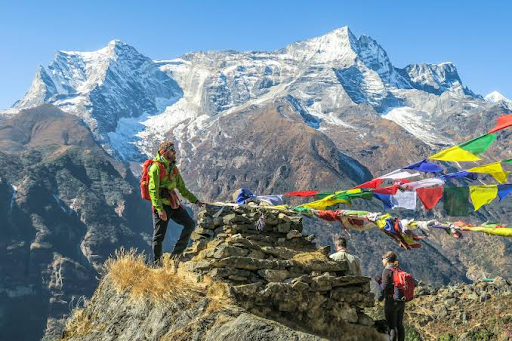
Now let’s talk about the Everest Base Camp Trek 12 Days plan. This is a shorter version compared to classic 14–16-day itineraries but still covers major highlights of the Khumbu region.
People choose this plan when they have limited time but still want the full Everest experience.
But listen carefully… 12 days is a slightly fast pace. So walking becomes more structured, rest becomes very important, and acclimatization days are carefully planned.
In the Everest Base Camp Trek (12 days), you still pass through famous places like Namche Bazaar, Tengboche Monastery, Dingboche, Lobuche, and finally Everest Base Camp.
And yes, standing at Everest Base Camp is not like a movie scene. There is no big signboard moment. It is a quiet, rocky, windy place near the Khumbu Glacier. But the inside feeling… that is powerful.
Many people cry there, not because of pain, but because the journey suddenly feels complete.
However, this 12-day version needs good physical fitness. Not athlete level, but regular walking stamina is a must.
Why Everest Base Camp Trek feels different from other treks
There are many treks in Nepal, but Everest Base Camp Trek has something unique. It is not only about Mount Everest itself but the whole environment.
You meet trekkers from all over the world. You share tea with strangers who become friends. You hear different languages in the same dining hall.
And every step reminds you that you are a small part of a very big world.
The Everest Base Camp Trek (12 days) makes it even more intense because everything feels faster, more focused, and more goal-oriented.
But still, mountains teach the same lesson: slow down, breathe, and respect nature.
Weather changes quickly. One moment sunny, the next moment snowy wind. That unpredictability makes the journey real.
And yes, altitude is a real challenge. Headache, tired legs, low oxygen… these are normal, but manageable if the itinerary is properly followed.
Route experience in the Everest Base Camp Trek (12 days) (simple human view)
The journey usually starts from Kathmandu to Lukla. That flight itself is an adventure.
Then walking begins.
The first few days feel easy, the villages are green, and the river sound is a constant companion. After Namche Bazaar, the world changed. You start feeling altitude.
Namche Bazaar is like the heart of Khumbu. You rest there, explore the bakery, meet other trekkers, and prepare mentally.
Then Tengboche comes, with a monastery view and Everest glimpsed in the distance.
Dingboche is cold but peaceful. Her body starts adjusting slowly.
Then Lobuche and Gorakshep… and finally the Everest Base Camp Trek destination arrives.
It is not one big moment; it is a series of small steps that build up emotion.
Everest Base Camp Trek 12 Days compresses this whole story into a tighter schedule, but the essence remains the same.
Choosing the right trekking company in Nepal: the biggest decision of your trip
Now let’s be honest. Trekking company selection in Nepal is more important than people think.
Because of the guide, porter, food arrangement, emergency support… everything depends on them.
Good trekking companies will not just sell packages; they will explain reality. They will tell you if Everest Base Camp Trek 12 Days is suitable for your fitness or not. That honesty matters.
Bad companies will only talk about discounts and success stories.
So what to look for?
Experience matters. Local knowledge matters. And communication matters a lot.
A reliable trekking company in Nepal will always provide a licensed guide, a proper acclimatization plan, and a clear safety system for altitude issues.
Also, they will not rush you unnecessarily. Because real trekking is not a race.
And one more thing… check how they respond before booking. If they are patient in messages, they will be patient on trial too.
Mental side of Everest Base Camp Trek (not just physical walk)
Most people prepare their legs but forget their mind.
Everest Base Camp Trek is a mental journey also. Some days you feel strong; the next day you feel tired for no reason. Weather can stop plans, flights can delay, and the body can feel heavy.
In the Everest Base Camp Trek (12 days), mental balance becomes even more important because the pace is faster.
You have to accept slow walking. You have to accept cold mornings. You have to accept simple food.
But slowly something changes inside. You stop expecting luxury. You start enjoying simplicity.
And that shift is what makes this trek unforgettable.
Best time for the Everest Base Camp Trek
Spring and autumn are the most popular seasons. Clear skies, stable weather, and better visibility of mountains.
But even in a good season, the Everest Base Camp Trek can surprise you with a sudden weather change.
That unpredictability is part of Himalayan nature.
Winter is cold but peaceful, with fewer crowds. The monsoon is tricky because flights and trails can be affected.
So most travelers choose spring or autumn for the Everest Base Camp Trek (12 days).
Food, accommodation, and daily life on the trail
Do not expect luxury hotel style. Tea houses are simple but warm.
Food is basic but filling. Dal bhat becomes the main energy source. It gives strength, trust me.
Rooms are small, sometimes shared with a bathroom. But the atmosphere is friendly.
In the Everest Base Camp Trek, you don’t need luxury. You need warmth, both physical and human.
An interesting thing is… even simple tea tastes better at 4000 meters.
Challenges you should know before going
Altitude is the main challenge. Not speed, not distance.
Headaches, loss of appetite, and tiredness can happen.
Weather can change plans anytime.
And sometimes, the Everest Base Camp Trek (12 days) can feel rushed if the body is not ready.
But with the right guidance from a trusted trekking company in Nepal, these challenges become manageable.
Final thought: why do people still choose the Everest Base Camp Trek again and again?
Because it changes something inside.
Not always visible, but real.
The Everest Base Camp Trek is not about reaching a place only; it is about becoming a different version of yourself.
And the Everest Base Camp Trek (12 days) makes that transformation faster, more intense, and more focused.
But still the same magic exists.
Mountains don’t care how fast you walk. They only care if you respect them.
FAQs: Everest Base Camp Trek (People also ask style)
1. How difficult is the Everest Base Camp Trek for beginners?
It is moderate to challenging. Beginners can do it if they have good fitness and a slow walking habit. Altitude is the main difficulty, not distance.
2. Is the Everest Base Camp Trek 12 days enough for a full experience?
Yes, but it is a faster version. You still see main highlights but need good stamina because rest days are limited.
3. What is the best time for the Everest Base Camp Trek?
Spring (March–May) and autumn (September–November) are the best seasons for clear views and stable weather.
4. How to choose a good trekking company in Nepal?
Check experience, guide license, safety record, and honest communication. A good company explains reality, not just sells packages.
5. Do I need prior trekking experience for the Everest Base Camp Trek?
Not necessary, but some hiking experience is helpful. Long walking days and altitude require basic preparation.
READ ALSO: Langtang Valley Trek for Solo Travelers: Smart Planning Guide