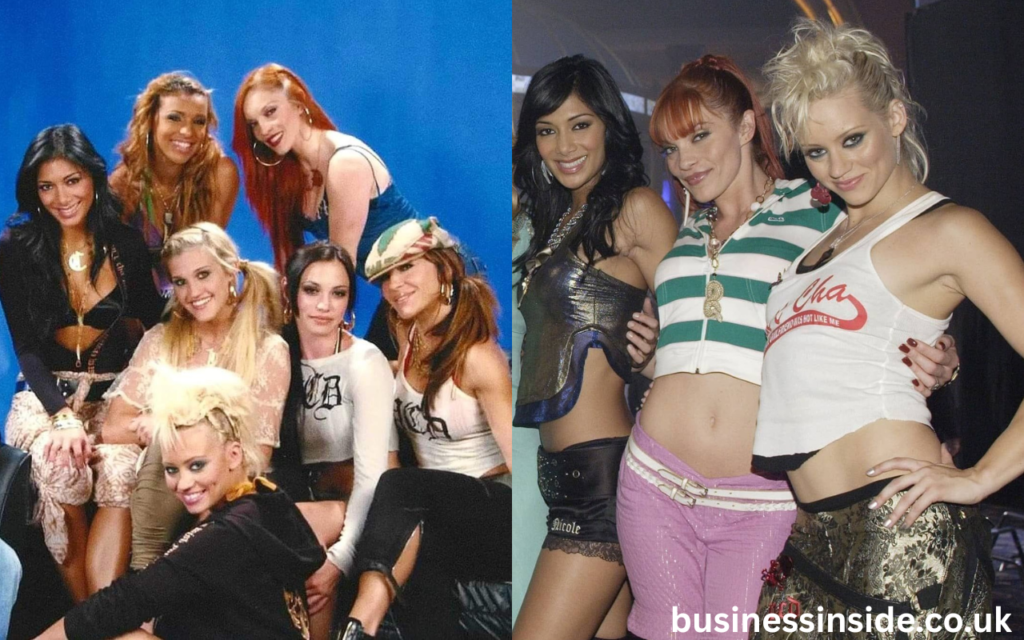

The Pussycat Dolls began as a burlesque dance troupe in Los Angeles before transforming into one of the most successful girl groups of the 2000s. Created by choreographer Robin Antin, the project initially featured dancers performing glamorous routines inspired by vintage Hollywood style. As the concept evolved, the brand shifted toward mainstream pop music, eventually forming a recording group that would dominate radio, music television, and global charts. This transition marked the beginning of an era that redefined modern girl group performance.
When the group released their debut album in 2005, they quickly became a worldwide sensation. Hit singles such as “Don’t Cha,” “Buttons,” and “Stickwitu” showcased a mix of strong vocals, sleek production, and bold choreography. Their performances blended pop, R&B, and dance elements, creating a signature identity that separated them from other acts at the time. The group’s sound and style helped them sell millions of records globally.
The members of The Pussycat Dolls were not just singers but complete performers. Their brand relied heavily on visual storytelling, synchronized dance routines, and confident stage presence. This combination of talent and marketing made them one of the defining pop acts of the mid-2000s, influencing later girl groups and shaping trends in pop performance for years to come.
Nicole Scherzinger: Lead Vocalist and Driving Force
Nicole Scherzinger became the face and voice of The Pussycat Dolls, serving as lead singer throughout the group’s most commercially successful years. Her powerful vocal range and polished stage presence anchored the group’s biggest hits. Many of their chart-topping songs featured her prominently, which helped solidify her reputation as one of the strongest vocalists in pop music during that period.
Beyond her vocal ability, Nicole played an important role in songwriting and creative direction. Her dedication to performance excellence elevated live shows, award appearances, and world tours. Fans often associate the identity of The Pussycat Dolls closely with her voice, as she carried much of the melodic structure in studio recordings and live concerts.
After the group’s initial disbandment, Nicole built a diverse solo career. She released solo music, appeared as a judge on popular television talent competitions, and gained critical praise for her work in musical theatre. Her ongoing success demonstrates how her time in the group served as a launching pad for a long-lasting entertainment career.
Ashley Roberts: Performer Turned Media Personality
Ashley Roberts joined the group during its mainstream recording era and quickly became known for her high-energy dance performances. With a background in dance and musical theatre, she contributed significantly to the group’s live choreography. Her stage charisma and visual appeal helped enhance the group’s polished image during tours and television appearances.
Although she was not the primary lead vocalist, Ashley added harmonies and supported the group’s layered sound. Her role reflected the ensemble dynamic that defined The Pussycat Dolls’ performances. Fans appreciated her lively personality, which often shone through during interviews and behind-the-scenes footage.
Following the group’s hiatus, Ashley expanded into television and radio hosting, particularly in the United Kingdom. She participated in reality shows, competition programs, and media projects that showcased her versatility. Her successful transition from pop group member to television personality highlights how the members of The Pussycat Dolls diversified their careers after leaving the spotlight of the band.
Kimberly Wyatt: The Dance Powerhouse
Kimberly Wyatt stood out for her exceptional dance technique and flexibility. Trained in ballet and contemporary dance, she brought technical precision to the group’s choreography. Her dynamic movements, splits, and acrobatic elements often became highlights of live performances and music videos.
Her dance expertise contributed heavily to the group’s visual identity. The Pussycat Dolls were known for routines that combined sensuality with athleticism, and Kimberly’s presence amplified that reputation. She helped maintain the high performance standard that audiences expected from the group’s concerts and televised appearances.
After the group paused activities, Kimberly pursued opportunities as a dance judge, choreographer, and television personality. She remained deeply connected to the dance community and frequently promoted fitness and creative expression. Her journey reflects how the members of The Pussycat Dolls used their individual strengths to build independent professional paths.
Jessica Sutta: Blending Vocals and Club Energy
Jessica Sutta brought both dance precision and vocal support to the group’s lineup. With training in theatre and performance, she delivered strong harmonies and contributed to the group’s layered pop sound. Her ability to balance singing and demanding choreography made her a valuable part of the ensemble.
During live shows, Jessica’s confident stage presence added to the group’s commanding image. She embraced the glamorous, high-energy style that defined The Pussycat Dolls. Fans often praised her consistency and dedication to maintaining the group’s polished performances throughout tours and promotional events.
In her solo career, Jessica focused largely on dance and electronic music. She achieved success on dance charts, proving that her musical talent extended beyond her time in the group. Her independent releases allowed her to explore creative freedom while still maintaining ties to the dance-pop roots that first introduced her to global audiences.
Melody Thornton: Vocal Strength and Artistic Ambition
Melody Thornton was widely recognized for her strong vocal ability within the group. While Nicole handled most of the lead vocals, Melody’s harmonies and background parts added depth and richness to the recordings. Many fans considered her one of the most technically skilled singers among the members of The Pussycat Dolls.
Her presence in live performances was equally impactful. Melody’s confidence and vocal flourishes often stood out during concerts, giving audiences glimpses of her individual talent. Over time, she expressed a desire for greater artistic involvement, reflecting her ambition to explore her own musical direction.
After leaving the group, Melody pursued solo projects that showcased her vocal range and songwriting. She released independent music and appeared on various television programs. Her path illustrates how the group served as a foundation for personal artistic exploration, even when members chose to step away from the collective brand.
Carmit Bachar: Early Foundations and Creative Influence
Carmit Bachar was one of the earliest performers associated with The Pussycat Dolls when it was still primarily a burlesque troupe. Her background in dance and performance helped shape the original aesthetic that later defined the pop group’s glamorous style. She played an important role in building the foundation before the group achieved mainstream fame.
As the brand transitioned into a recording act, Carmit remained part of the lineup during its breakthrough years. Her experience and understanding of the original concept connected the pop group to its theatrical roots. This link between burlesque inspiration and commercial pop became a unique selling point in the music industry.
After departing from the group, Carmit pursued independent music projects and creative ventures. She remained connected to performance art and continued exploring artistic expression. Her contributions remind fans that the history of The Pussycat Dolls extends beyond chart success and includes a rich performance legacy.
Lineup Changes and Group Dynamics
The lineup of The Pussycat Dolls evolved over time, reflecting both creative decisions and personal ambitions. While the most recognized formation included Nicole Scherzinger, Ashley Roberts, Kimberly Wyatt, Jessica Sutta, Melody Thornton, and Carmit Bachar, earlier and later variations also existed. These shifts influenced the group’s internal dynamics and public perception.
The structure of the group often centered heavily on its lead vocalist, which sometimes sparked discussions among fans about balance and representation. Despite these conversations, the collective chemistry of the members produced memorable performances and enduring hits. Their ability to maintain professionalism amid pressure contributed to the group’s longevity during its peak years.
Like many successful pop groups, internal challenges and career aspirations eventually led to a hiatus. The story of the members of The Pussycat Dolls includes both collaboration and individuality. This dual narrative adds complexity to their legacy and explains why their history continues to attract attention from fans and media alike.
Read More: Mermaid Hair Curler: Perfect Beach Waves Made Easy
Reunion Efforts and Lasting Cultural Impact
Interest in reunions has kept The Pussycat Dolls in public conversation long after their initial success. Announcements of comeback tours and renewed collaborations generated excitement among longtime fans. While not every original member has participated in every reunion plan, the brand itself remains powerful and recognizable.
Their influence can be seen in modern girl groups that emphasize strong choreography, bold fashion, and empowered stage presence. The Pussycat Dolls helped popularize a performance model that blended pop vocals with dance-driven spectacle. This formula continues to shape music videos and live concerts in today’s industry.
The enduring fascination with the members of The Pussycat Dolls proves that their impact goes beyond nostalgic hits. They represent an era of pop music defined by glamour, ambition, and high production value. As each member continues to evolve professionally, their shared history remains a significant chapter in contemporary pop culture, ensuring that their legacy lives on for future generations.