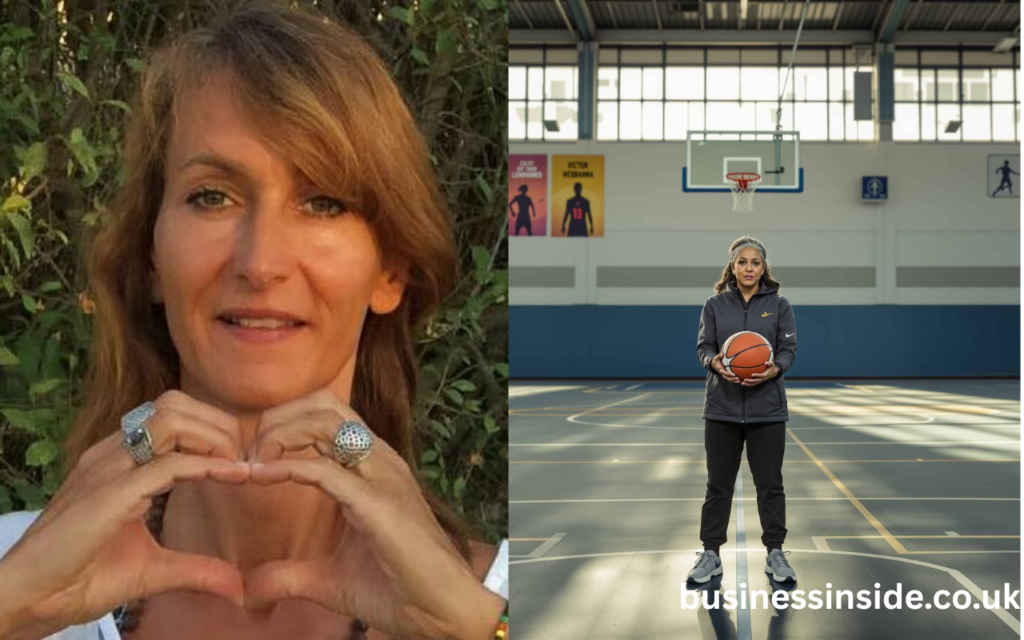

Élodie de Fautereau was born in the Paris region of France in 1971, into a family deeply connected to athletics. From an early age, she demonstrated a natural affinity for sports, excelling in multiple disciplines. Her introduction to basketball came through local clubs where her height, agility, and strategic thinking made her stand out among her peers. She quickly developed the fundamentals of the game and displayed remarkable determination, practicing for hours to perfect her shooting, dribbling, and defensive skills.
Growing up, Élodie faced the challenge of balancing school and rigorous training schedules. She often spent weekends traveling for regional tournaments, learning early the discipline required to compete at higher levels. These experiences not only strengthened her physical abilities but also instilled leadership qualities and a sense of responsibility, laying the foundation for her future career in professional basketball.
Her early exposure to competitive play allowed Élodie to understand both individual and team dynamics at a young age. Coaches recognized her ability to read the game and guide teammates effectively. This blend of technical skill and tactical awareness became her trademark, establishing her as a rising star in French women’s basketball and setting the stage for her professional journey.
Professional Playing Career
Élodie de Fautereau’s professional basketball career spanned several years and included participation in France’s top leagues. Her position as a forward leveraged her height and physical strength, enabling her to dominate under the basket. She became known for her versatility, able to score efficiently while also providing critical defensive support. Élodie’s professional career included playing in both national leagues and international tournaments, giving her a breadth of experience and exposure to different styles of play.
Her statistics reflect her consistent contribution to every team she joined. Averaging points in double digits and maintaining strong rebounding and assist numbers, Élodie’s performance was a crucial factor in her teams’ successes. Beyond numbers, her leadership on the court inspired younger players and strengthened team cohesion, earning her recognition as a reliable and respected athlete in French basketball circles.
Élodie also competed in European tournaments where she represented her clubs against top international teams. These experiences were formative, sharpening her competitive edge and teaching her advanced tactical concepts. Her ability to adapt to different opponents and game situations became a defining trait, and she earned a reputation for calmness and precision under pressure, qualities that would later influence her coaching career.
Transition to Coaching and Mentorship
After retiring from active play, Élodie de Fautereau seamlessly transitioned into coaching and mentoring young athletes. Her firsthand experience as a high-level player gave her unique insights into training techniques, game strategy, and athlete psychology. She focused on helping young players develop not only technical skills but also mental resilience, discipline, and confidence—qualities essential for long-term success in sports.
Élodie emphasized the importance of a holistic approach to athlete development. She encouraged her students to maintain balance between physical training, nutrition, and mental preparation. In her programs, she often incorporated exercises that fostered teamwork, communication, and leadership. Many of her trainees went on to achieve significant success, attributing their growth to her structured guidance and consistent encouragement.
Her influence as a coach extended beyond individual athletes to clubs and youth organizations across France. Élodie became a respected figure for her ability to transform potential into performance, creating a nurturing yet challenging environment. Her mentoring approach combined patience with high expectations, producing athletes who not only excelled on the court but also carried lessons of perseverance and strategic thinking into other areas of life.
Motherhood and Guiding Victor Wembanyama
One of Élodie de Fautereau’s most notable roles is as the mother of Victor Wembanyama, who is recognized as one of the most promising basketball talents globally. From the earliest stages of his development, Élodie played a central role in nurturing Victor’s athletic abilities. She provided guidance in every aspect of his training, from refining basic skills to understanding advanced game strategies, emphasizing both physical and mental preparation.
Élodie’s approach to mentoring Victor combined structured training schedules with continuous emotional support. She ensured that he experienced both challenges and encouragement, building resilience and focus. She often reminded him of the importance of patience, discipline, and consistency, values she had embraced throughout her own career. This careful balance helped Victor handle the pressures associated with rapid success and global attention.
Beyond technical development, Élodie fostered a deep love for basketball in Victor. She introduced him to the sport as a source of joy and personal growth, not just competition. Her involvement in his early life created a foundation of confidence, determination, and respect for the game, which has become evident in Victor’s professional achievements and his approach to basketball as a lifelong pursuit.
Family Background and Athletic Heritage
Élodie de Fautereau comes from a family with a rich history of athletic participation. Multiple generations have been involved in sports, providing her with early exposure to competition, strategy, and discipline. This family environment nurtured not only physical skills but also an understanding of sportsmanship and leadership, values that Élodie carried forward into her professional career and motherhood.
Her husband, Félix Wembanyama, also contributed to the athletic atmosphere of the household, reinforcing the importance of dedication and commitment. Together, they created a structured environment where physical training, healthy habits, and academic balance were emphasized. This foundation played a key role in shaping the ambitions and work ethic of their children, particularly Victor.
Élodie’s influence on her family demonstrates the powerful role of mentorship within households. By modeling consistency, resilience, and passion, she instilled lessons that went beyond basketball. Her family legacy reflects a combination of natural talent, nurtured skill, and a supportive environment, which collectively produced exceptional results in athletics.
Advocacy for Women in Sports
Élodie de Fautereau has consistently championed the role of women in sports. Throughout her career, she has highlighted the importance of visibility, mentorship, and equitable opportunities for female athletes. She has actively worked to break down barriers, demonstrating that women can excel at the highest levels while inspiring the next generation to pursue their ambitions without limitation.
She also emphasized professional development beyond the court, encouraging young women to cultivate leadership skills, confidence, and strategic thinking. Élodie’s advocacy extends to creating programs and workshops that address both technical skills and personal growth. By doing so, she has become a role model for aspiring athletes who seek guidance and representation in competitive environments.
Her efforts have had a measurable impact on French basketball culture, fostering greater awareness of female athletes’ contributions. Élodie’s approach to mentorship highlights the interplay between performance, empowerment, and visibility, reinforcing the importance of nurturing talent while challenging traditional gender norms in sports.
Personal Philosophy and Values
At the heart of Élodie de Fautereau’s influence are her personal values: dedication, humility, resilience, and integrity. These principles guided her throughout her playing career, coaching endeavors, and family life. She consistently demonstrates that success is rooted not only in talent but also in preparation, discipline, and mental fortitude.
Élodie believes in leading by example, showing younger athletes that consistent effort and ethical conduct are just as important as physical prowess. Her life story illustrates that perseverance, self-belief, and adaptability can help overcome challenges, whether in professional sports or personal development.
Her philosophy also stresses the significance of balance. Élodie encourages athletes to pursue excellence while maintaining emotional well-being, education, and strong relationships. This holistic approach ensures that success is sustainable and meaningful, leaving a lasting impact on both her athletes and her family.
Read More: Kay Kinsey: Life, Family, and Legacy of Karl Malone’s Wife
Legacy and Lasting Impact
Élodie de Fautereau’s legacy extends across multiple dimensions of basketball and family life. She is remembered as a skilled player, a dedicated coach, and an inspiring mother who shaped one of the most promising talents in modern basketball. Her influence continues to resonate in youth programs, professional leagues, and the broader sports community, reinforcing the importance of mentorship and representation.
Her lasting impact is evident in the achievements of those she has guided. Players she coached carry forward her lessons in discipline, strategy, and resilience. Victor Wembanyama’s global success is perhaps the most visible testament to Élodie’s influence, reflecting years of careful guidance, structured training, and emotional support.
Ultimately, Élodie de Fautereau represents a unique blend of athletic excellence, leadership, and family-centered mentorship. Her story highlights the transformative power of dedication, support, and vision, making her a central figure in French basketball history and an enduring inspiration for athletes and families worldwide.