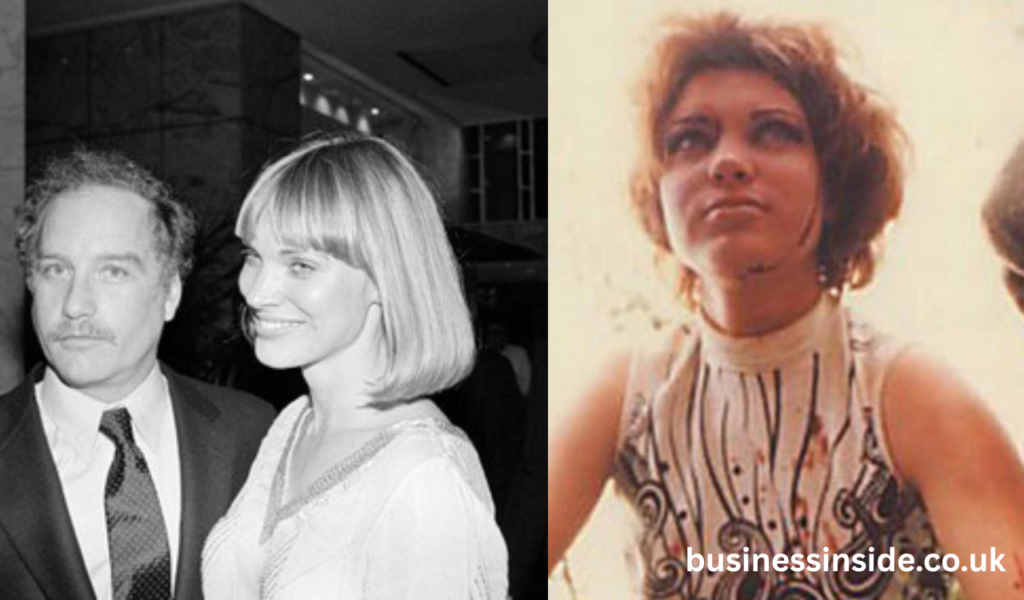

Jeramie Rain was born Susan Davis on August 23, 1948, in Charleston, West Virginia. Growing up in a supportive family, she developed an early interest in the arts, especially theatre and creative writing. From childhood, she was drawn to performance, participating in local stage productions and school plays, which helped nurture her natural talent for acting and storytelling.
During her teenage years, Rain attended George Washington High School, where she became involved in drama clubs and community theatre programs. She was known among peers for her dedication, often rehearsing long hours and exploring various theatrical roles. This early immersion in performance laid the foundation for a career that would span both screen and stage.
Her upbringing in Charleston also instilled in her a strong sense of community and empathy, traits that later influenced her philanthropic pursuits. The combination of artistic ambition and compassion became central to her identity, shaping not only her professional choices but also her approach to personal challenges throughout her life.
Rise to Fame in Film
Jeramie Rain made her first significant appearance in film in the early 1970s with roles that showcased her range as an actress. Her breakthrough came in 1972 with the crime thriller The Abductors, where she portrayed a compelling supporting character. This role allowed her to demonstrate a strong screen presence and opened doors to more prominent projects.
Later that year, she took on the role of Sadie in Wes Craven’s cult classic horror film The Last House on the Left. Her performance was widely noted for its intensity and realism, cementing her status as a talented and fearless actress willing to tackle challenging material. The film became iconic in the horror genre, ensuring that Rain’s work would be remembered by fans and critics alike.
Following her success in horror, she appeared in comedies and dramas, proving her versatility as an actress. Roles in films such as Preacherman Meets Widderwoman showcased her ability to adapt to different genres while continuing to build a distinct presence in Hollywood. These early films established her as a promising and memorable figure in 1970s cinema.
Television and Soap Opera Career
While Rain made her mark in films, her television career brought her steady recognition and a loyal audience. She became a familiar face on daytime television through her work on the soap opera The Doctors, where she played Nurse Samantha Tolliver from 1972 to 1977. This role allowed her to connect with viewers regularly and demonstrated her skill in long-form storytelling.
In addition to The Doctors, Rain made guest appearances on other popular series of the time, further showcasing her adaptability as an actress. Her performances on soap operas required emotional depth and consistency, skills that she had honed through her previous stage and film work. Television offered her a platform to reach a wide audience and solidify her professional reputation.
Her work in television was complemented by off-Broadway performances and smaller screen projects, giving her a balanced career across multiple mediums. By moving seamlessly between stage and screen, Rain exemplified the versatility that was essential for actors seeking longevity in the competitive entertainment industry of the 1970s.
Transition Behind the Camera
After establishing herself as an actress, Rain gradually moved into behind-the-scenes roles, focusing on writing and production. She contributed to television development for major networks, including NBC and CBS, where she wrote scripts and helped shape program content. Her experience in front of the camera enriched her understanding of storytelling from a production perspective.
In her behind-the-scenes work, Rain played a crucial role in shaping characters, dialogue, and narrative structures for television series. She became known for her ability to understand actors’ perspectives and translate creative ideas into compelling scripts. This transition demonstrated her capacity for growth and adaptability within the entertainment industry.
Shifting focus to production also allowed her to pursue a more sustainable career while balancing personal responsibilities. Her work behind the camera not only reinforced her credibility in Hollywood but also highlighted her creative versatility and deep understanding of the entertainment business.
Personal Life and Family
Jeramie Rain’s personal life was closely intertwined with her career and advocacy work. She married acclaimed actor Richard Dreyfuss in 1983, and the couple had three children. Her role as a mother became a central aspect of her life, influencing her priorities and the projects she chose to undertake.
Balancing family and career was a significant challenge, particularly as Rain faced health struggles during this period. Despite personal and professional demands, she remained dedicated to both her family and her creative pursuits, demonstrating resilience and determination. Her experiences as a parent and partner shaped her perspective and informed her approach to philanthropy and advocacy later in life.
Rain’s children pursued creative paths of their own, reflecting the influence of her artistic and supportive environment. Her family life, combined with her professional achievements, illustrates a multifaceted life filled with challenges, accomplishments, and enduring personal values.
Health Struggles and Advocacy
Jeramie Rain’s life was significantly impacted by her diagnosis of systemic lupus at age 28. This autoimmune condition brought physical challenges, including chronic pain and fatigue, which influenced both her personal and professional decisions. Managing lupus became an ongoing battle that required resilience and determination.
Rain’s personal experience with lupus inspired her advocacy and philanthropic work. She raised awareness about the disease and became actively involved in supporting others facing similar health challenges. Her story highlighted the importance of community support and access to resources for individuals affected by chronic illnesses.
Through her advocacy, Rain transformed personal adversity into public service. She shared her experiences publicly to educate others, encouraging early diagnosis and proactive management of lupus. Her dedication to advocacy strengthened her legacy beyond entertainment, emphasizing her commitment to helping others.
Philanthropy and Community Work
In addition to her professional and advocacy work, Rain founded the charitable organization Mother’s Touch in Los Angeles. This initiative focused on supporting children and families dealing with serious illnesses, providing both practical assistance and emotional support. The organization reflected Rain’s belief in compassion, community, and the power of helping others.
Mother’s Touch offered programs that directly addressed the needs of families navigating health crises. Rain’s leadership ensured that the charity’s work was impactful and sustainable, creating lasting change in the community. Her efforts demonstrated how personal experiences could be transformed into meaningful public service.
Through her philanthropic work, Rain extended her influence beyond entertainment. She became a role model for resilience, compassion, and dedication, proving that public figures could leverage their visibility to effect positive change and inspire others.
Read more: Kaki Hunter: From Hollywood Stardom to Sustainable Building Pioneer
Legacy and Cultural Impact
Jeramie Rain’s contributions to film, television, and philanthropy have left a lasting legacy. Her work in cult horror films, particularly The Last House on the Left, continues to be celebrated by fans of the genre and cited in film studies for its impact on modern horror. Her performances are remembered for their intensity, authenticity, and emotional depth.
Her influence extends to television, where she helped shape the soap opera landscape and demonstrated the value of versatile acting skills. Rain’s ability to move between mediums and take on both performance and production roles reflects a pioneering approach to a career in entertainment.
Beyond her professional work, Rain’s advocacy and charitable efforts cement her legacy as a compassionate and resilient figure. Her story inspires those facing personal challenges, showing how determination, creativity, and empathy can create a meaningful and enduring impact on both the arts and society.