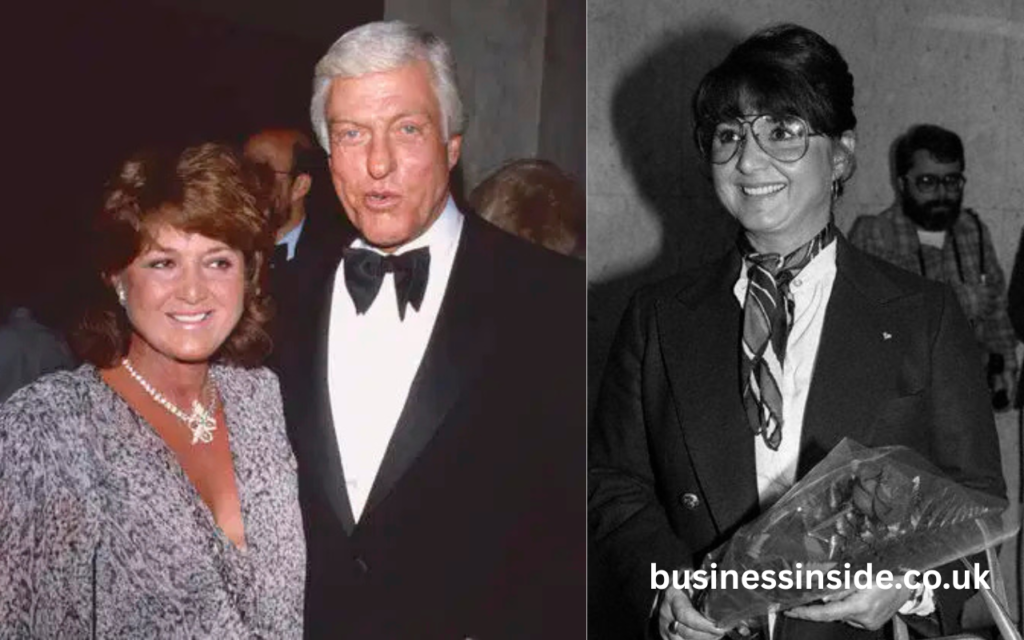

Early Life and Personal Background of Michelle Triola
Michelle Triola was born in Los Angeles, California, a city deeply connected to the entertainment industry and evolving cultural trends. Growing up in such an environment exposed her to creativity, ambition, and the fast-paced lifestyle of Hollywood. Her early years were shaped by a desire to perform, which later influenced her decision to pursue a career in entertainment.
She attended the University of California, Los Angeles, where she studied theater arts. This educational background helped her develop confidence and stage presence, skills that would later support her work as a performer. Although she did not become a major Hollywood star, her artistic training played a role in shaping her identity and social connections.
Michelle’s upbringing and early ambitions reflect a broader narrative of women in mid-20th-century America striving for independence and recognition. Her life journey, however, would take a completely unexpected turn, leading her away from the stage and into a courtroom that would ultimately change legal history.
Entry into the Entertainment Industry
Michelle Triola began her career as a nightclub singer and dancer during the 1950s, performing in various venues across Los Angeles. These performances allowed her to build a network within the entertainment industry, even though her career remained relatively low-profile. She became known for her charisma and stage presence, which helped her gain steady work.
Her involvement in theater included participation in productions such as Flower Drum Song, where she worked alongside talented performers and industry professionals. This experience offered her valuable exposure, even if it did not translate into long-term fame. Like many aspiring entertainers of her time, she navigated a competitive field where success was far from guaranteed.
Michelle also took on small roles in film and television. These appearances were brief but meaningful, as they kept her connected to Hollywood circles. While her acting career did not define her legacy, it played a crucial role in shaping the relationships and opportunities that would later bring her into the public spotlight.
Relationship with Lee Marvin
Michelle Triola’s life changed dramatically when she entered into a relationship with actor Lee Marvin in the 1960s. Their partnership lasted for several years, during which they lived together without being legally married. At the time, such arrangements were less socially accepted, making their relationship unconventional.
During their time together, Michelle claimed that she took on the role of a supportive partner, managing household responsibilities and prioritizing Marvin’s career over her own. She believed there was a mutual understanding that their lives and finances were shared equally. This belief would later become central to her legal claims.
The relationship eventually ended, leaving Michelle in a difficult financial situation. The breakup highlighted the vulnerability of individuals in long-term, non-marital partnerships, especially when one partner had significantly more financial power. This situation ultimately led her to take legal action, setting the stage for a historic case.
The Historic Case of Marvin v. Marvin
The legal dispute between Michelle Triola and Lee Marvin became one of the most influential cases in family law. Known as Marvin v. Marvin, the case addressed whether unmarried partners could claim financial support after a relationship ended. At the time, the legal system largely ignored such claims.
Michelle argued that her relationship functioned like a marriage, with shared responsibilities and expectations. She sought financial compensation similar to alimony, claiming that Marvin had promised lifelong support. Her argument challenged traditional legal definitions of partnership and forced courts to reconsider existing laws.
The California Supreme Court’s decision was groundbreaking. It recognized that agreements between unmarried partners could be legally enforceable, even without formal marriage. This ruling opened new legal pathways and set a precedent that continues to influence cases involving cohabitation and financial rights.
Understanding the Concept of Palimony
The term “palimony” emerged as a result of Michelle Triola’s case, quickly gaining attention in both legal and popular culture. Although not an official legal term, it refers to financial support awarded to a partner after the end of a non-marital relationship. The concept filled a gap in the legal system.
Palimony became widely discussed during the 1970s, a time when social norms were shifting and more couples were choosing to live together without marrying. Michelle’s case highlighted the need for laws to adapt to these changes, ensuring fairness and protection for both partners.
Today, palimony remains a relevant concept in many legal systems. While not universally recognized, it has influenced how courts handle disputes involving unmarried couples. Michelle Triola’s role in introducing this concept cannot be overstated, as it reshaped legal thinking around relationships.
Court Trials, Decisions, and Legal Challenges
The legal journey of Michelle Triola was complex and highly publicized. Initial court proceedings resulted in a partial victory, with a financial award granted for her contributions during the relationship. However, the decision did not fully meet her expectations.
The case went through multiple appeals, reflecting the legal system’s struggle to address such an unconventional issue. Ultimately, higher courts overturned some of the earlier rulings, emphasizing the importance of clear evidence when claiming financial rights in non-marital relationships.
Despite these challenges, the case established key legal principles that continue to guide courts today. It demonstrated that while informal agreements can be recognized, they must be supported by credible proof. This lesson remains significant for modern couples navigating similar situations.
Long-Term Relationship with Dick Van Dyke
After her legal battle, Michelle Triola entered into a long-term relationship with actor Dick Van Dyke. Their partnership lasted for more than three decades, showing a different side of her personal life. Unlike her previous relationship, this one remained largely private and stable.
The couple chose not to marry, reflecting changing attitudes toward relationships and commitment. Their life together demonstrated that long-term partnerships could exist outside traditional marriage without conflict or legal disputes. This relationship stood in contrast to her earlier experiences.
Michelle’s time with Van Dyke highlighted how societal norms had evolved since the 1970s. What was once controversial had become more widely accepted, partly due to the legal and cultural impact of her own case. Their relationship became an example of modern companionship.
Personal Life, Struggles, and Final Years
Michelle Triola’s personal life was marked by both resilience and challenges. She experienced a brief marriage earlier in her life, but it did not last long. Much of her life was defined by long-term partnerships rather than traditional marital relationships.
In her later years, she faced serious health issues, including a diagnosis of lung cancer. Despite undergoing treatment, her condition gradually worsened. These years were spent away from the public spotlight, focusing on her health and personal relationships.
She passed away in 2009, leaving behind a legacy that extended far beyond her personal experiences. Her life story continues to be discussed in legal, cultural, and social contexts, reflecting the lasting impact of her actions.
Cultural Influence and Legal Legacy
Michelle Triola’s influence extends beyond her legal case, reaching into broader cultural discussions about relationships and rights. Her willingness to challenge societal norms brought attention to issues that were often ignored. She became a symbol of change during a transformative period in American history.
Her case influenced how courts approach disputes involving unmarried couples. It also contributed to ongoing conversations about gender roles, financial dependency, and fairness in relationships. These discussions remain relevant today as societal norms continue to evolve.
In many ways, Michelle’s legacy can be summarized through key impacts:
Her case introduced new legal recognition for cohabitation agreements
It sparked nationwide debate about relationship rights
It influenced future legal decisions across multiple jurisdictions
Read more: Susan Devlin: The Untold Story of a Badminton Legend and Her Lasting Global Impact
Why Michelle Triola’s Story Still Matters Today
Michelle Triola’s story remains highly relevant in today’s world, where non-traditional relationships are increasingly common. Many couples choose to live together without marriage, making the legal principles established in her case more important than ever.
Her experience serves as a reminder of the importance of clear agreements and mutual understanding in relationships. It also highlights the need for legal systems to adapt to changing social realities. Her case continues to be referenced in legal studies and discussions about modern relationships.
Ultimately, Michelle Triola is remembered as a pioneer who challenged the status quo. Her courage to pursue justice not only changed her own life but also paved the way for others seeking fairness and recognition in their relationships.